Custom cables for autonomous vehicles play a crucial role in ensuring real-time data transmission and signal integrity. They must withstand vibrations, electromagnetic interference, and extreme temperatures in systems such as LiDAR, radars, and cameras. Designing effective autonomous vehicle wiring solutions requires adherence to strict automotive standards to guarantee safety, reliability, and high performance in smart mobility environments. Custom cables are essential for the advanced functionality expected in modern autonomous vehicles.
The Critical Role of Custom Cables for Autonomous Vehicles
Custom cables for autonomous vehicles are essential components that significantly enhance the overall performance and safety of modern transportation systems. These cables allow for the intricate interconnections of various electronic systems within the vehicle, ensuring efficient communication between critical components.
In an age where autonomous vehicles rely on advanced technology, the functionality of their wiring systems cannot be understated. The interdependence of sensors, cameras, LiDAR, and radar systems demands that each cable is specifically designed to handle the unique requirements of these technologies.
One major advantage of using custom cables is their ability to support real-time data transmission. Autonomous vehicles generate vast amounts of data, which must be relayed without delay to facilitate responsive decision-making. To achieve this, cables must not only transmit data effectively but also resist interference that can occur from electrical noise and vibrations.
- Signal Integrity: Maintaining a clear signal is crucial for the proper functioning of safety-critical systems. Custom cables are designed with specialized materials and shielding techniques that ensure minimal signal degradation, even in demanding environments.
- Durability: The performance of autonomous vehicles is often tested in extreme conditions. Custom cables are engineered to withstand high temperatures, moisture, and exposure to various chemicals, making them more reliable than standard wiring solutions.
- Space Optimization: The compact nature of automotive design requires cables that fit precisely within limited spaces. Customization allows engineers to create cables that perfectly match the vehicle’s layout, ensuring efficient use of available space.
Furthermore, security features integrated into custom cables are essential for meeting automotive standards. This includes the use of flame-retardant materials and low-smoke emission coatings, which enhance passenger safety. Compliance with stringent regulations fosters not only vehicle reliability but also consumer trust in revolutionary autonomous technologies.
The integration of custom cables in autonomous vehicle systems also facilitates the seamless operation of data-intensive applications. Systems such as real-time traffic navigation and advanced driver-assistance systems (ADAS) rely on the prompt delivery of data. Custom cables ensure that all systems remain interconnected and responsive under diverse operational scenarios.
In summary, the importance of custom cables for autonomous vehicles serves as a backbone for performance enhancements in smart mobility solutions. As the automotive industry advances, the demand for specialized wiring solutions will only increase, emphasizing the necessity of custom cable development to keep pace with technological innovations.
Designing Custom Cables for High-Performance Autonomous Vehicle Wiring Solutions
In the realm of autonomous vehicles, the design of custom cables plays a pivotal role in ensuring optimal performance. Tailored to meet the unique challenges posed by various systems, these cables must be engineered with precision to facilitate effective communication among sensors, cameras, and processing units.
The initial phase in crafting these cables involves comprehensive analysis. Engineers collaborate with automotive manufacturers to identify the specific requirements essential for their applications. This ensures that the custom cables can withstand the intended operational environment, considering factors such as voltage, current, and temperature extremes.
Key Design Considerations
- Material Selection: The choice of materials is critical for optimal performance. Copper and aluminum are common choices for conductors, but advanced materials may be necessary for specific applications. Additionally, insulation materials must be selected to resist harsh chemicals and variable temperatures.
- Cable Geometry: The physical layout of the cables must be meticulously considered. Effective designs maximize space within the vehicle while minimizing interference and transmission losses. Custom shapes and sizes are pivotal for efficient routing.
- Shielding Techniques: Cables are often exposed to electromagnetic interference (EMI). Proper shielding methods are employed to protect the signals transmitted through the cables, ensuring communication accuracy between components.
Another vital aspect of designing custom cables involves performance under various conditions. Autonomous vehicles operate in diverse environments, from urban landscapes with significant electromagnetic noise to remote areas with harsh weather conditions. Thus, it is essential to simulate these conditions during the design phase to evaluate the performance of the cables effectively.
Testing and validation are crucial components of the design process. Prototypes of custom cables undergo rigorous assessments to ensure they meet established automotive standards. Considerations such as signal integrity, durability, and compliance with safety regulations are evaluated in controlled environments. This ensures that the final product can effectively support the intricate systems that autonomous vehicles rely upon.
As technology advances, the integration of innovative features in custom cable design continues to evolve. Improved capabilities for data transfer, including higher bandwidth requirements, necessitate ongoing adaptation in design strategies. Future developments may also see an increasing incorporation of sensors within cables, allowing for real-time monitoring of cable performance and integrity.
Ultimately, the importance of optimizing custom cables for autonomous vehicle wiring solutions cannot be overstated. As the automotive industry moves toward greater automation and connectivity, high-performance cabling solutions will be instrumental in achieving reliable, safe, and efficient vehicle operation.
Applications of Custom Cables in Autonomous Vehicle Systems
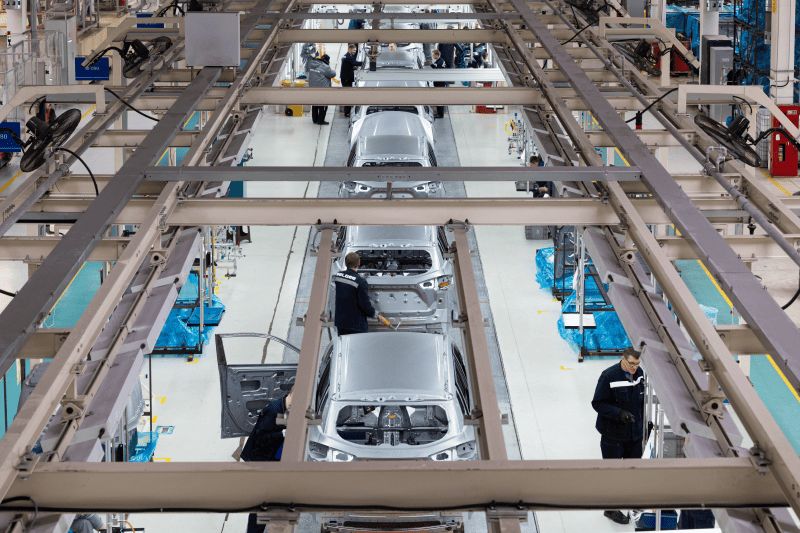
Custom cables for autonomous vehicles play a vital role in various systems that are integral to the operation and safety of these innovative vehicles. These bespoke solutions are designed to meet the unique demands of high-performance applications, ensuring reliable connectivity and data integrity across multiple subsystems.
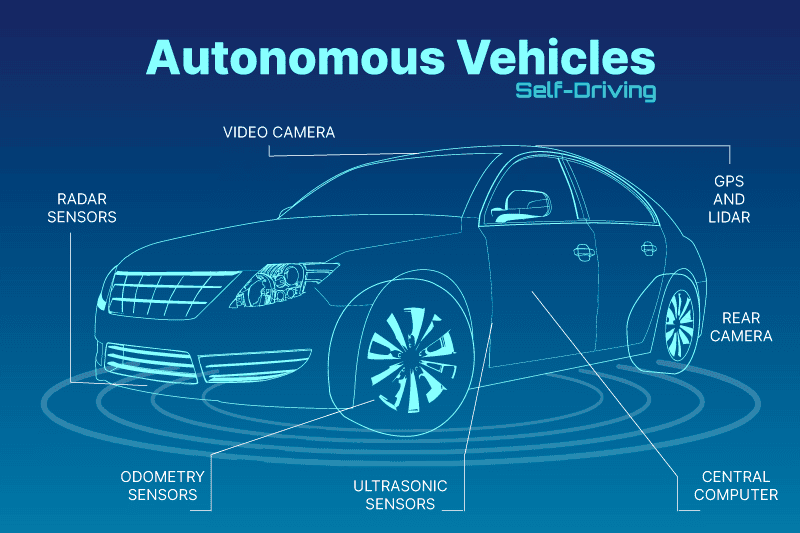
One of the primary applications involves the integration of sensors, such as LiDAR, cameras, and radar systems. These sensors are critical for environmental perception, enabling the vehicle to detect obstacles, recognize traffic signals, and navigate complex terrains. Custom cables ensure that these sensors receive the necessary power and transmit data at high speeds, which is essential for real-time processing and decision-making. Their design mitigates issues like electromagnetic interference (EMI), which can disrupt the performance of sensitive equipment.
- LiDAR Systems: These use laser technology to create a three-dimensional map of the vehicle’s surroundings. Custom cables must be designed to handle the high bandwidth requirements while maintaining minimal latency.
- Camera Systems: High-resolution cameras provide critical visual data for navigation. The cables connect cameras to processing units, ensuring stable video feeds with low signal degradation.
- Radar Systems: Radar relies on radio waves to detect objects and measure their speed. Custom cables are essential for maintaining signal strength and reliability under various operating conditions.
Another significant application is in the power distribution systems of autonomous vehicles. These systems require custom cables that can handle varying voltage levels and ensure safe energy distribution. Robust insulation materials are used to withstand extreme temperatures and environmental conditions, which is vital for maintaining performance and safety standards.
In addition to power and sensor systems, custom cables are also utilized in communication networks within autonomous vehicles. These networks allow for seamless communication between various onboard systems and external infrastructures like traffic management systems or other vehicles. Strong data integrity is imperative for assurer cross-talk between multiple systems does not occur, thus preventing erroneous data that could result in operational failures.
- Vehicle-to-Everything (V2X) Communication: Custom cables manage complex data exchange with surroundings, providing essential updates on traffic and environmental conditions.
- In-Vehicle Networks: These are responsible for integrating various functions, from infotainment to safety controls, where custom cables are tailored for efficient data management and communication.
The importance of custom cables extends to safety systems as well. Autonomous vehicles incorporate advanced safety measures that rely on real-time data transfer from various sensors and control units. Custom cables designed for these functionalities must be able to endure rigorous testing and comply with stringent automotive safety standards.
Operational reliability mandates that these custom solutions are adopted as standard across multiple applications in autonomous vehicles. As the technology continues to evolve, the need for high-quality, tailored wiring solutions will become increasingly central to enhancing overall performance and functionality.
Production and Quality Control in Custom Cable Manufacturing
The manufacturing process of custom cables for autonomous vehicles involves several critical stages to ensure that the final product meets the high standards required by the automotive industry. Each step is designed to maximize efficiency, safety, and reliability, which are paramount in the context of autonomous driving.
The production begins with an in-depth analysis of specifications, which includes understanding the voltage, current, and environmental conditions that the cables must withstand. This initial phase is pivotal as it informs the material selection and the design of the cables. High-quality materials not only improve performance but also enhance durability, enabling them to function under extreme conditions.
- Material Selection: Choosing the right materials is essential. Conductors typically made from copper or aluminum are evaluated for their conductivity and strength. Insulation materials must also be selected carefully to withstand various temperatures and exposure to chemicals commonly found in the automotive environment.
- Manufacturing Techniques: The methods used in the manufacturing process significantly influence the cables’ performance. Techniques such as cross-linking and the application of specialized coatings can enhance resistance to electromagnetic interference (EMI) and environmental factors.
Quality control plays a crucial role throughout the production process. Rigorous testing protocols are implemented to verify that each batch of cables meets stringent industry standards. This includes:
- Visual Inspections: Each cable undergoes a thorough inspection to identify any physical defects or inconsistencies.
- Electrical Testing: Conductivity tests ensure that the cables fulfill performance requirements regarding voltage and current transmission.
- Environmental Testing: Simulated exposure tests subject the cables to extreme temperatures, humidity, and chemical environments to validate their resilience and reliability.
Documentation is another integral aspect of quality control. Each stage of production is meticulously recorded to provide traceability. This ensures that any potential issue can be addressed efficiently, maintaining a high level of production integrity. Maintaining detailed documentation also supports compliance with rigorous automotive standards and regulations.
The ability to scale production is another consideration. As the demand for custom cables for autonomous vehicles grows, manufacturers must adapt their processes to handle increased volume without compromising quality. This often involves investing in advanced machinery and training skilled personnel.
Collaboration with automotive engineers during the production phase is vital. This interdisciplinary approach allows for adjustments based on real-time feedback, ensuring that the custom cables are tailored to specific vehicle requirements and operational conditions.
In summary, the production and quality control processes for custom cables are carefully structured to uphold safety, efficiency, and performance. By adhering to high industry standards, manufacturers contribute significantly to the overall success of autonomous vehicle technology.
Challenges and Solutions in Deploying Custom Cables for Autonomous Vehicles
The deployment of custom cables for autonomous vehicles presents several challenges that require thoughtful consideration and innovative solutions. These challenges primarily arise from the complex operational environments and stringent performance requirements inherent to autonomous vehicle systems.
One significant challenge involves the cost associated with producing custom cables. Manufacturing tailored cables can lead to higher initial expenditures compared to standard wiring solutions. However, the long-term benefits, such as enhanced durability and reduced maintenance costs, often justify the investment. Optimizing production techniques and materials can mitigate these costs effectively.
- Material Selection: Using cost-effective yet high-quality materials can balance performance and affordability.
- Streamlined Production Processes: Implementing efficient manufacturing practices can reduce overhead costs and production times.
Another hurdle lies in the time required for design and prototyping. Developing custom cables necessitates extensive testing to meet the rigorous automotive standards for safety and reliability. This process can delay the overall project timeline, particularly for companies eager to bring products to market quickly. Collaboration among design engineers, automotive manufacturers, and suppliers is critical for expediting this phase.
- Prototyping Techniques: Utilizing advanced prototyping tools can shorten the design phase.
- Agile Development Methodologies: Adopting agile practices allows teams to iterate quickly on designs.
Electromagnetic interference (EMI) poses a particular challenge in the deployment of custom cables. Autonomous vehicles require reliable data transmission from multiple sensors that can be disrupted by electromagnetic noise. Thus, robust shielding must be integrated into the cable designs to protect against these disturbances.
- Shielding Materials: Selecting superior shielding materials enhances resistance to EMI.
- Testing for EMI Performance: Rigorous testing should be performed to ensure compliance with EMI standards.
Lastly, the rapidly evolving nature of technology in the autonomous vehicle sector demands adaptability and foresight. As new technologies emerge, such as advancements in LiDAR, cameras, and radar systems, the specifications for custom cables must evolve accordingly. Manufacturers must stay ahead of these trends to ensure that their cable solutions remain relevant and effective.
- Research and Development: Investing in R&D allows for the exploration of new materials and designs that can accommodate emerging technologies.
- Agile Product Design: Implementing flexible design strategies ensures that cables can adapt to new applications and standards.
By addressing these challenges through strategic solutions, the industry can enhance the deployment of custom cables for autonomous vehicles, optimizing performance while maintaining safety and reliability in an increasingly competitive market.
Future Trends in Autonomous Vehicle Wiring Solutions
The landscape of autonomous vehicle wiring solutions is rapidly evolving, driven by advancements in technology and the increasing demand for enhanced performance and safety. Innovations in custom cables for autonomous vehicles are set to redefine the standards of wiring in the automotive industry.
One significant trend is the integration of more sophisticated materials designed to improve the performance of custom cables. Flexible, lightweight materials not only reduce the overall weight of vehicles but also enhance the resilience of wiring systems against vibrations and environmental factors. This approach paves the way for improved safety and reliability in the complex environments where autonomous vehicles operate.
Another emerging trend is the adoption of advanced data encoding and transmission technologies. As the volume of data generated by vehicle sensors continues to surge, custom cables will need to accommodate faster data rates while ensuring minimal latency. Techniques such as fiber-optic cabling may become more prominent, providing the necessary bandwidth to support real-time communication between systems, such as LiDAR, radar, and cameras.
Furthermore, there is a growing focus on smart wiring solutions that enable real-time monitoring and diagnostic capabilities. With the implementation of sensors within the cable infrastructure, manufacturers can monitor the condition and performance of wiring systems in real time. This advancement allows for proactive maintenance, reducing the risk of failures and enhancing vehicle safety.
- Increased reliance on wireless communication technologies is another area to watch. While custom cables will still play a pivotal role in connecting critical components, the trend toward wireless solutions may lead to hybrid systems that combine wired and wireless technologies, maximizing efficiency and flexibility.
- The environmental impact of vehicle production is a growing concern, prompting the development of sustainable materials to create custom cables. As the industry shifts toward sustainability, the use of recyclable and biodegradable materials is anticipated to gain traction in the design of wiring solutions.
- A focus on modular designs that allow manufacturers to easily modify or upgrade wiring systems without complete overhauls is expected to enhance the adaptability of custom cables in autonomous vehicles.
As legislation and regulations surrounding autonomous vehicle technology become more stringent, the demand for cables that meet these evolving safety standards will increase. Custom cables will have to incorporate features that comply with these regulations while maintaining high performance under various conditions.
With the electric vehicle market growing, custom cables will also have to cater to the needs of advanced power distribution systems. The development and integration of high-performance charging cables that can handle increased power demands and ensure safety during operation will be critical.
Overall, the future of custom cables for autonomous vehicles is bright, characterized by continuous innovation and improvements. The dynamic nature of the automotive industry indicates a commitment to enhancing performance, safety, and reliability, positioning custom wires at the forefront of this transformation.
If you would like to receive a quote for any of custom cables or connectors, please do not hesitate to contact us by sending an email to sales@readytogocables.com or calling in the USA this phone number (682-325-1944).