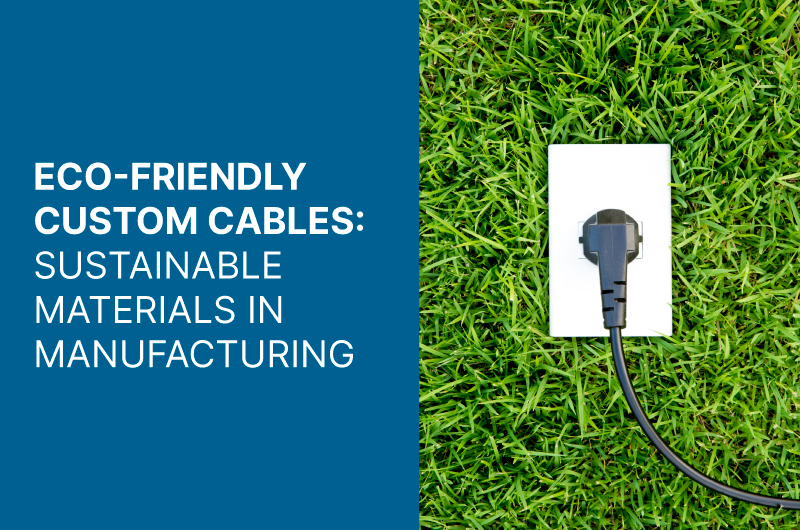
The increasing demand for eco-friendly custom cables is reshaping the industry. This shift is driven by the need for sustainable solutions, as manufacturers adopt recyclable materials and halogen-free compounds while ensuring performance and durability. Custom cable manufacturing processes are evolving to meet environmental standards and customer expectations. The focus on responsible production practices highlights the potential benefits for both businesses and the planet.
Demand for Eco-Friendly Custom Cables in the Industry
The shift towards eco-friendly custom cables is gaining significant momentum within various sectors. This demand is driven by growing environmental awareness and the need for sustainable practices in manufacturing.
Drivers Behind Sustainable Cable Solutions
Several factors are propelling the adoption of sustainable cable solutions. Companies are increasingly recognizing the importance of corporate social responsibility, leading to a higher demand for eco-friendly products. Key drivers include:
- Consumer Awareness: Consumers are becoming more informed about environmental issues and are actively seeking products that align with their values. This has prompted manufacturers to adjust their offerings accordingly.
- Corporate Sustainability Goals: Many organizations are setting ambitious sustainability targets. This has created an internal demand for eco-friendly custom cables as part of a broader strategy to reduce their environmental footprint.
- Competitive Advantage: Embracing sustainable practices not only enhances a brand’s image but can also provide a competitive edge in a crowded market.
Market Trends and Consumer Expectations
The market for eco-friendly custom cables is evolving rapidly. Recent trends indicate a shift towards more sustainable materials and manufacturing processes. Key trends include:
- Innovation in Materials: Manufacturers are exploring alternatives to traditional materials, incorporating bio-based and recycled content.
- Design for Recyclability: Products are increasingly designed to be recyclable, further appealing to environmentally-conscious consumers.
- Transparency and Certification: Consumers expect clear information regarding the sustainability of products, leading to a rise in third-party certifications.
Impact of Environmental Regulations on Cable Manufacturing
Environmental regulations are shaping the landscape of cable manufacturing. These regulations push companies to adopt more sustainable practices, influencing their production methodologies. Significant impacts include:
- Compliance Costs: Adhering to strict environmental regulations can lead to increased production costs but encourages innovation.
- Research and Development: Companies are investing in R&D to develop products that meet or exceed these regulatory standards.
- Market Access: Compliance with environmental regulations allows companies to access new markets that prioritize sustainability.
Sustainable Materials Used in Eco-Friendly Custom Cables
The shift towards sustainability in custom cable manufacturing involves adopting a variety of environmentally friendly materials. These materials not only reduce the ecological footprint of production processes but also maintain the high performance standards expected in modern technology.
Alternatives to Petroleum-Based Plastics
Traditional cable manufacturing heavily relies on petroleum-based plastics, which contribute significantly to environmental degradation. In response, manufacturers are exploring alternative materials that are less harmful.
- Bioplastics: Derived from renewable resources like corn starch or sugarcane, bioplastics offer a viable substitute that reduces reliance on fossil fuels.
- Thermoplastic Elastomers (TPE): TPEs provide flexibility similar to rubber, often with a lower environmental impact during production.
Bio-Based and Recycled Content Materials
Using materials with bio-based and recycled content is a significant step towards creating eco-friendly custom cables. These materials help minimize waste and utilize existing resources.
- Recycled Plastics: The incorporation of recycled plastics into cable jackets or insulation reduces the amount of waste sent to landfills.
- Bio-Based Polymers: These materials are produced from natural resources, which can help lower greenhouse gas emissions during manufacturing.
Halogen-Free and Low Smoke Zero Halogen (LSZH) Compounds
The demand for safer materials in electrical applications has led to the development of halogen-free and LSZH compounds. These materials provide fire safety without the harmful effects associated with traditional plastic insulation.
- Safety Advantages: In the event of a fire, halogen-free cables emit less toxic smoke, promoting a safer environment.
- Performance: LSZH materials maintain excellent electrical properties while significantly diminishing environmental harm.
Insulation and Sheathing Materials That Reduce Environmental Impact
Innovative insulation and sheathing materials play a critical role in the sustainability of eco-friendly custom cables. Such materials enhance energy efficiency while keeping maintenance costs low.
- Natural Fiber Insulation: Materials like hemp or cotton can be used for insulation, providing effective thermal resistance while being biodegradable.
- Recyclable Sheathing: Custom cables can be designed with recyclable sheathing options that facilitate end-of-life returns and processing.
Custom Cable Manufacturing Processes for Reduced Carbon Footprint
Innovative processes in custom cable manufacturing are crucial for minimizing carbon footprints and promoting sustainability. Moving beyond traditional methods, manufacturers are adopting energy-efficient practices and waste reduction strategies that significantly lower their environmental impact.
Energy-Efficient Production Techniques
Efficient energy use during manufacturing is essential for reducing environmental impacts. Technician-oriented practices in production streamline processes to consume less energy. Implementing advanced machinery that meets stringent energy standards is one way companies are achieving these goals.
Some techniques include:
- Utilizing renewable energy sources such as solar and wind to power production facilities.
- Integrating energy management systems that optimize energy consumption patterns.
- Employing variable speed drives and efficient motors to reduce energy waste.
Lean Manufacturing and Waste Reduction Strategies
Applying lean manufacturing principles focuses on eliminating waste in all forms—this encompasses time, materials, and overhead costs. By only producing what is necessary, companies can minimize their environmental footprint.
- Streamlined processes lead to reduced excess inventory, lowering the need for storage space.
- Reengineering workflows to remove non-value-added steps increases overall productivity.
- Continual assessment of production lines ensures ongoing waste reductions.
Manufacturing On Demand to Minimize Excess Production
On-demand manufacturing represents a shift against overproduction, aligning supply with actual market demand. This process not only conserves resources but also helps in reducing the volume of discarded products.
Benefits of on-demand manufacturing include:
- Lower storage requirements due to minimized inventory levels.
- Decreased waste from materials that would otherwise become obsolete before use.
- Enhanced flexibility to rapidly adapt to changing consumer needs.
Supply Chain Management for Sustainability
Effective supply chain management is pivotal for enhancing sustainability within custom cable manufacturing. Partnerships with suppliers who align with eco-friendly practices ensure consistency in the use of sustainable materials. This collaboration creates a unified approach toward lower carbon emissions across the entire manufacturing cycle.
- Evaluating supplier sustainability certifications fosters a responsible sourcing strategy.
- Establishing transparent communication channels boosts collaboration and accountability.
- Investing in local suppliers reduces transportation emissions, enhancing the overall carbon footprint reduction goals.
Performance and Reliability of Sustainable Cable Products
The effectiveness of sustainable cable products is vital in confirming their practicality within various industries. Performance and reliability are essential metrics that dictate the acceptability of eco-friendly custom cables in the market.
Maintaining Quality and Durability with Eco-Friendly Materials
High standards of quality and durability remain non-negotiable in the production of eco-friendly custom cables. Utilizing advanced sustainable materials allows manufacturers to maintain performance standards comparable to traditional cables. Substitutes like bio-based polymers and recycled components provide flexibility and strength without compromising environmental integrity.
Testing these materials for resilience under different conditions ensures they can withstand rigorous applications. Performance metrics focus on critical aspects such as tensile strength, thermal stability, and resistance to environmental degradation. Many sustainable materials have proven to surpass expectations, leading to enhanced operational lifespan.
Reducing Energy Loss in Sustainable Cable Systems
Energy efficiency is a crucial factor in cable performance, significantly impacting overall system effectiveness. Sustainable cable products are designed to minimize energy loss during transmission. By utilizing materials with superior electrical conductivity and reduced resistance, energy efficiency is optimized.
Cable designs can also incorporate insulation techniques that prevent energy waste. Strategies include using low smoke zero halogen (LSZH) compounds, which not only enhance safety in fire conditions but also contribute to lower energy losses.
Compliance with Industry Standards and Environmental Certifications
Adhering to industry standards and securing environmental certifications solidifies the credibility of sustainable cable products. Compliance ensures that these products are safe for consumers and responsible towards the ecosystem. Regulatory frameworks like RoHS and REACH establish guidelines that manufacturers must follow for sustainable practices.
RoHS and REACH Compliance
Both RoHS (Restriction of Hazardous Substances) and REACH (Registration, Evaluation, Authorisation, and Restriction of Chemicals) aim to limit hazardous materials in electrical components. Eco-friendly custom cables made from compliant materials not only meet rigorous safety requirements but also fulfill market demands for safer products.
Certifications Highlighting Environmental Performance
Various certifications emphasize the eco-performance of cable products. Standards such as the Global Organic Textile Standard (GOTS) and others highlight the use of sustainable resources and responsible manufacturing practices. These certifications enhance the product’s market value and influence consumer purchasing decisions, promoting a shift toward sustainability in cable selection.
Environmental Benefits of Eco-Friendly Custom Cables
The adoption of eco-friendly custom cables offers numerous environmental advantages. These benefits extend beyond material choices, influencing energy consumption, waste management, and resource sourcing significantly.
Reduction of Carbon Emissions and Energy Consumption
Utilizing sustainable materials and efficient manufacturing processes plays a critical role in lowering carbon emissions. Eco-friendly custom cables are designed to minimize energy use throughout their lifecycle. Key aspects include:
- Use of renewable energy during production, which can significantly cut down carbon footprints.
- Implementation of energy-efficient methods that enhance overall performance while conserving resources.
- A focus on lightweight designs that reduce transportation emissions compared to traditional products.
Waste Management and Recycling Practices
Effective waste management strategies are fundamental in the production of eco-friendly custom cables. Manufacturers are increasingly adopting practices that promote recycling and minimize waste:
- Materials used in sustainable cables are often recyclable, allowing for responsible disposal and reuse at the end of their lifecycle.
- Innovative production techniques lead to reduced scrap and offcuts, contributing to a more sustainable practice.
- Collaborations with recycling programs ensure that used materials can be processed efficiently, thus closing the recycling loop.
Use of Renewable Resources in Material Sourcing
Incorporating renewable resources in manufacturing eco-friendly custom cables not only reduces reliance on finite materials but also supports sustainable practices. The following approaches are crucial:
- Utilizing bio-based materials sourced from plants, which offer a sustainable alternative to petroleum-based plastics.
- Incorporating recycled content in cable construction, which helps reduce environmental impact and conserves natural resources.
- Choosing suppliers committed to sustainable practices, ensuring that the entire supply chain supports ecological responsibility.
Innovations and Research in Sustainable Cable Technology
The landscape of cable technology is rapidly evolving, driven by the urgent need for environmentally responsible solutions. Ongoing research focuses on creating materials and processes that enhance sustainability while maintaining performance standards.
Development of New Materials for Enhanced Sustainability
Researchers are prioritizing the development of innovative materials that contribute to sustainability goals. Various sustainable materials are being explored, including:
- Biodegradable polymers that decompose naturally, reducing long-term waste.
- Recycled materials that minimize the need for virgin resources, promoting a circular economy.
- Composites made from natural fibers, which help lower the carbon footprint associated with traditional materials.
These advancements are crucial as they not only enhance the environmental profile of custom cables but also open new avenues for product design and functionality.
Integration of Metals Like Copper and Aluminum for Performance
In the realm of conductive materials, the integration of metals such as copper and aluminum plays a vital role. These metals are being used strategically to balance sustainability with electrical performance. Key factors include:
- Replacing heavier materials with lightweight aluminum to reduce transportation emissions.
- Utilizing copper due to its excellent conductivity, which minimizes energy loss in sustainable cable systems.
- Innovating hybrid metal solutions that enhance connectivity and overall performance without compromising ecological principles.
The careful selection and use of these materials significantly impact both the production process and the end-use efficiency of eco-friendly custom cables.
Advances in Cable Connectivity for Energy and Technology Sectors
Recent innovations in cable connectivity are paving the way for new applications in energy and technology sectors. This includes:
- Development of smart cables equipped with sensors that monitor performance and environmental conditions.
- Enhanced durability features that support renewable energy systems, such as solar power and electric vehicles.
- Research into high-performance connectors that facilitate energy transfer with minimal losses.
These technological advancements are aligning with the broader goals of efficiency and sustainability, ensuring that new products meet the growing demands of modern industries.
Regulatory and Compliance Challenges in Sustainable Cable Manufacturing
The landscape of sustainable cable manufacturing is continuously evolving, with regulatory challenges posing significant hurdles. As environmental policies become stricter, manufacturers must adapt to ensure compliance while maintaining the quality and performance of eco-friendly custom cables.
Navigating Changing Environmental Policies
Manufacturers face the complex task of keeping pace with rapidly changing environmental regulations. These policies often vary significantly between regions, necessitating a thorough understanding of local, national, and international standards. Key elements to consider include:
- Understanding specific environmental mandates applicable to cable manufacturing.
- Monitoring updates and amendments to existing regulations.
- Establishing protocols for compliance tracking and reporting.
Failure to comply with these regulations can result in severe penalties and reputational damage. Thus, companies must implement robust compliance management systems to navigate this landscape effectively.
Ensuring Compliance Across Global Markets
For businesses operating on a global scale, compliance becomes more intricate. Different countries have varying regulations related to materials, emissions, and waste management. Manufacturers must engage in a careful assessment of:
- Local regulations for each market in which they operate.
- Certifications and compliance requirements essential for meeting market entry standards.
- Strategies for harmonizing compliance efforts across multiple jurisdictions.
Incorporating a comprehensive compliance strategy is essential for ensuring that all aspects of the manufacturing process align with industry standards and regulations.
Impact of Compliance on Production Costs and Processes
Adhering to stringent regulatory requirements can increase production costs. This impact stems from various factors, including the need for advanced materials that comply with environmental standards and investment in technologies that facilitate compliance. Important considerations include:
- Increased costs associated with sourcing eco-friendly raw materials.
- Potential costs linked to upgrading manufacturing processes to meet regulatory standards.
- Ongoing expenses related to compliance audits and certifications.
While these compliance requirements may elevate costs, they also provide significant opportunities for innovation and enhanced market positioning. Sustainable practices can lead to long-term savings and improved efficiencies in the production of custom cables, ultimately benefiting both manufacturers and consumers.
Future Outlook for Eco-Friendly Custom Cables in the Industry
The evolution of eco-friendly custom cables is set to redefine the cable manufacturing landscape. With increasing environmental awareness and demand for sustainable solutions, the industry is primed for transformative growth.
Emerging Trends in Custom Cable Manufacturing
As technology progresses, several trends are shaping the future of eco-friendly custom cables. Key areas of focus include:
- Increased Adoption of Biodegradable Materials: More manufacturers are exploring biodegradable options that minimize environmental impact.
- Smart Cable Technologies: The integration of smart technologies into cables allows for better monitoring and efficiency, contributing to energy conservation.
- Customizable Solutions: There is a growing trend towards offering cable solutions that can be tailored to specific applications, enhancing both function and sustainability.
Opportunities for Growth in Renewable Energy Applications
The transition to renewable energy sources is creating significant opportunities for eco-friendly custom cables. Industries are increasingly relying on:
- Solar Applications: Custom cables designed for solar panels are under development, making them more efficient and sustainable.
- Electric Vehicle Infrastructure: The rise in electric vehicles necessitates robust cable solutions to support charging stations and related infrastructure.
- Energy Storage Systems: Cables that support energy storage technologies are essential for managing renewable energy effectively.
Strategies to Scale Sustainable Production and Reduce Environmental Impact
To further decrease the environmental footprint of custom cable manufacturing, several strategies can be implemented:
- Investing in Green Manufacturing Technologies: Utilizing renewable energy sources in production can significantly cut carbon emissions from manufacturing plants.
- Enhancing Recycling Programs: Establishing robust recycling programs for end-of-life cables will ensure materials are reused, thus minimizing waste.
- Collaborative Supply Chains: Partnering with suppliers committed to sustainability can strengthen the entire supply chain’s ecological responsibility.
If you would like to receive a quote for any of custom cables or connectors, please do not hesitate to contact us by sending an email to sales@readytogocables.com or calling in the USA this phone number (682-325-1944).