Railway systems require reliable heavy-duty connectors to withstand harsh conditions. These critical components ensure continuous power and data transmission in trains. Selecting the right hardware is essential for operational safety and performance in mass transit environments. This guide covers five main types, including D-Sub and M12, while outlining key specifications. It details technical characteristics and necessary industry standards. This overview helps engineers choose robust solutions that meet strict railway safety and durability requirements.
Environmental Demands and Mechanical Resilience in Rolling Stock
Railway systems operate in some of the most hostile industrial environments, requiring heavy-duty connectors that maintain integrity under constant stress. Engineers must account for extreme mechanical forces and harsh atmospheric conditions to ensure reliable data and power transmission.
Withstanding Shock and Vibration in Mass Transit
Modern trains function as continuous moving machines, exposing internal components to relentless mechanical stress. Vibrations occur daily and impact forces repeat frequently, creating conditions that standard connectors cannot survive. Heavy-duty connectors require robust locking mechanisms, such as threaded couplings or bayonet latches, to prevent loosening during service. These connections must endure random vibration testing and sinusoidal shock profiles defined by international standards like IEC 61373. Without this mechanical resilience, intermittent connections can lead to signal loss or power failures, compromising passenger safety and operational efficiency.
The Role of IP Ratings in Ingress Protection
Water, dust, and industrial fluids pose significant threats to electronic interconnections. Ingress Protection ratings define the seal quality of these components, ensuring they function correctly despite environmental exposure. Most rolling stock applications demand at least IP67 or IP68 certification to guarantee total dust tightness and resistance to temporary water immersion. For equipment subjected to high-pressure washdowns during maintenance, IP69K certification is essential. These ratings ensure that heavy-duty connectors maintain electrical continuity and mechanical stability even when exposed to steam jets and cold water sprays.
Fire Safety Standards for Railway Equipment
Fire safety remains a paramount concern in public transportation. The materials used in connector manufacturing must meet stringent flammability and toxicity requirements. In the event of an incident, materials must limit heat release, smoke density, and acidic gas emissions to facilitate safe evacuation.
Halogen-Free Materials and Smoke Emission Limits
Standard plastics often release toxic chlorine-based gases when burned. Heavy-duty connectors for railway systems utilize halogen-free insulation and housing materials to mitigate this risk. These specialized polymers significantly reduce smoke density and prevent the release of corrosive acids that can damage surrounding electronics. This chemical safety is critical for maintaining visibility and air quality during emergency scenarios.
Compliance with EN 45545 and NF F 16-101
European and French standards dictate specific fire performance levels for railway vehicles. EN 45545-2 classifies materials into hazard levels based on their combustion behavior. Passenger cars typically require the highest hazard level, HL3, demanding exceptional fire retardant properties. Manufacturers must certify that their connectors comply with these norms, ensuring that every component contributes to the overall fire safety strategy of the train. Similar compliance is required by NF F 16-101 in other regional markets, ensuring global interoperability and safety.
D-Subminiature Connectors for High-Density Signal and Data Transmission
D-Subminiature connectors remain a cornerstone in railway systems for managing complex data flows. These heavy-duty connectors offer reliable performance in high-density environments, ensuring stable signal integrity for critical onboard electronics.
Structural Advantages of Metal Housing and EMI Shielding
The defining characteristic of this connector family is its distinctive D-shaped metal shell. This robust housing provides essential electromagnetic interference shielding, which is vital in the electrically noisy environment of modern trains. The metal casing acts as a ground plane, effectively dissipating external noise and preventing signal degradation. This structural integrity ensures that delicate data signals remain pure, even when operating near high-power traction systems. The mechanical strength of the metal housing also contributes to the overall durability of the connection, protecting internal pins from physical damage during maintenance or heavy vibrations.
Pin Count Options and Density Configurations
Engineers benefit from a wide range of pin configurations tailored to specific data transmission needs. Standard options include nine, fifteen, twenty-five, thirty-seven, and fifty contacts, allowing for flexible system design. Advanced iterations support up to seventy-eight pins, maximizing data capacity within a compact footprint. This high density allows for the integration of multiple communication channels without increasing the physical size of the control cabinet. The consistent pinout standards ensure compatibility across various manufacturers, simplifying supply chain management for railway operators.
Applications in Control Cabinets and Diagnostic Ports
These connectors are predominantly found in control cabinets and diagnostic interfaces where reliable data exchange is paramount. Their secure screw-mounting system prevents accidental disconnection caused by track-induced vibrations. This secure attachment is crucial for maintaining continuous communication between central processing units and peripheral devices.
Integration with RS-232 and RS-485 Protocols
D-Sub connectors are widely used for serial communication protocols like RS-232 and RS-485. These protocols are standard for interfacing with legacy systems and modern sensor networks. The reliable contact design ensures low resistance and stable data transfer, which is essential for real-time monitoring and control. The ability to handle multiple differential pairs makes them ideal for robust industrial networking applications within train cars.
Suitability for Passenger Information Systems
Beyond technical control systems, these connectors support passenger information systems that deliver real-time updates to travelers. They facilitate the connection of displays, audio systems, and Wi-Fi access points. The durability of the metal housing ensures that these components withstand the wear and tear of daily use by millions of passengers. This reliability enhances the overall passenger experience by keeping information systems operational and accessible throughout the journey.
M12 Circular Connectors for Industrial Automation and Sensors
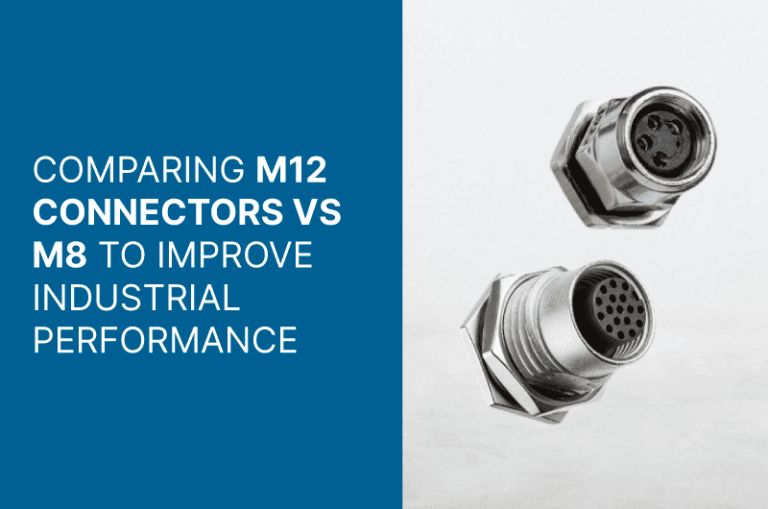
M12 connectors have become a staple in modern railway environments, offering a blend of durability and flexibility that standard industrial components cannot match. These connectors are essential for linking various onboard systems, ensuring that data and power flow seamlessly across the train.
Versatility in Power, Signal, and Data Applications
The primary appeal of the M12 series lies in its ability to handle multiple types of signals within a single, robust housing. Engineers often select these connectors for applications that require both power delivery and data transmission. For instance, sensors and actuators in door mechanisms or climate control systems frequently use M12 interfaces. This versatility reduces the need for multiple connector types, simplifying inventory and installation processes. The ability to transmit analog signals, digital inputs, and even high-speed data through standardized M12 ports makes them indispensable for complex railway systems. By consolidating connections, these components help reduce the weight and bulk of wiring harnesses, which is a critical factor in improving energy efficiency in rolling stock.
Coding Systems and Push-Pull Coupling Mechanisms
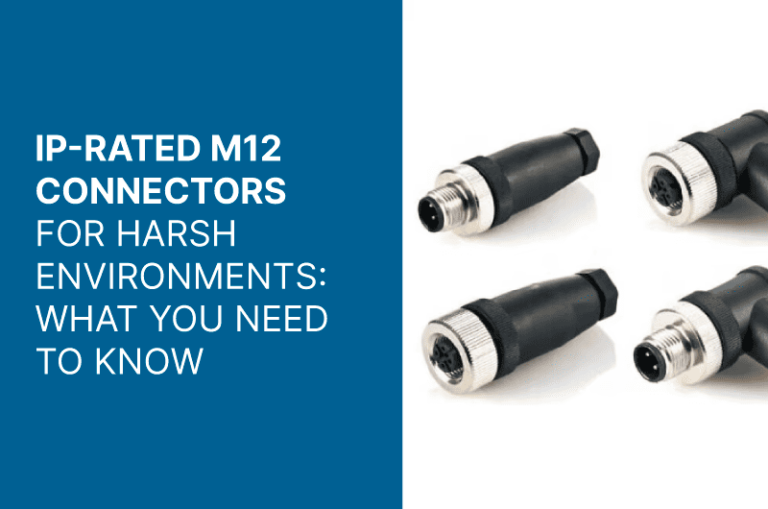
To prevent misconnection and ensure safety, M12 connectors utilize a coding system that restricts mating to compatible parts. Common codes include A, B, C, D, and X, each designated for specific signal types or power requirements. This mechanical keying ensures that operators cannot accidentally plug a power cable into a data port, preventing potential damage to sensitive electronic components. Furthermore, many modern M12 connectors feature push-pull coupling mechanisms. This design allows for rapid installation and removal without the need for tools, significantly reducing maintenance time. The secure locking action provided by the push-pull system also helps maintain connection integrity despite the constant vibrations experienced during train operation.
Compact Design for Space-Constrained Train Interiors
Space inside train cabins and control cabinets is often at a premium. The small footprint of M12 connectors allows for high-density mounting, maximizing the use of available real estate. This compactness is particularly beneficial in crowded areas where numerous sensors and monitoring devices must be interconnected. The ability to stack connectors or use right-angle versions further enhances spatial efficiency. By optimizing the layout of internal components, railway manufacturers can design more ergonomic control panels and easier-to-access maintenance zones.
Usage with Single Pair Ethernet and I/O Devices
Recent advancements have expanded the capabilities of M12 connectors to include Single Pair Ethernet (SPE). This innovation allows for high-speed data transmission over a single wire pair, significantly reducing cable complexity and weight. In modern smart trains, SPE M12 connectors are increasingly used for connecting I/O devices and field instruments. This trend aligns with the growing demand for bandwidth-efficient solutions that support Industry 4.0 applications within the railway sector. The integration of SPE enables real-time data exchange between distributed sensors and central processing units, enhancing operational intelligence.
Reliability in Harsh Environmental Conditions
Railway environments are notoriously harsh, exposing components to extreme temperatures, moisture, and dust. M12 connectors are designed to withstand these challenges, with many models offering IP67 or even IP69K ratings. This high level of ingress protection ensures that internal contacts remain clean and functional, preventing short circuits and signal degradation. The robust construction of these connectors, often featuring metal shields or high-grade thermoplastics, guarantees long-term reliability. This durability is crucial for maintaining safety and performance standards in critical railway applications, where failure is not an option.
Metric Circular Heavy Duty Connectors for High Current Power Distribution
Metric circular connectors serve as the backbone for high-amperage power distribution in modern railcars. These components ensure stable energy flow to critical systems under extreme operational stress.
Robust Construction for Main Power and Auxiliary Systems
The structural integrity of these connectors relies on heavy-gauge metal housings or reinforced thermoplastics designed to withstand physical abuse. Engineers select materials like zinc die-cast alloys to provide superior mechanical stability against constant shock loads. The design prioritizes secure contact retention, ensuring that high-voltage connections remain intact during emergency braking or track irregularities. This robustness is essential for auxiliary power units that operate continuously throughout the train’s lifecycle.
Amperage Ratings and Hot-Swappable Capabilities
These connectors support a wide range of current capacities, typically spanning from 16A to over 125A per contact. Such high ratings are necessary for powering traction motors and heating systems in passenger cars. Many advanced models feature hot-swappable designs, allowing maintenance crews to replace units without de-energizing the entire train section. This capability significantly reduces downtime and improves operational efficiency in busy depots.
Interconnecting Control Cabinets and Traction Units
Effective power distribution requires reliable links between central control cabinets and remote traction drives. Metric circular connectors facilitate this interconnection with standardized interfaces that ensure plug-and-play compatibility. The modular nature of these systems simplifies installation and future upgrades. By using uniform connector types, railway operators can streamline their inventory and reduce training requirements for technical staff.
Shielding Effectiveness for Electromagnetic Compatibility
High currents can generate significant electromagnetic interference, potentially disrupting sensitive signaling equipment. To mitigate this, these connectors include comprehensive shielding layers that ground stray signals effectively. The metal housing provides a continuous conductive path, maintaining signal integrity even in electrically noisy environments. This shielding is crucial for preventing data corruption in adjacent communication lines.
Material Durability in Railway Environments
Long-term exposure to moisture, dust, and temperature fluctuations demands materials with exceptional resistance properties. Corrosion-resistant coatings and sealed contacts prevent oxidation and ensure consistent conductivity over decades of service. The insulation materials are often halogen-free to meet strict fire safety standards, reducing toxic smoke emission during potential incidents. This durability ensures reliable performance without frequent replacement or maintenance intervention.
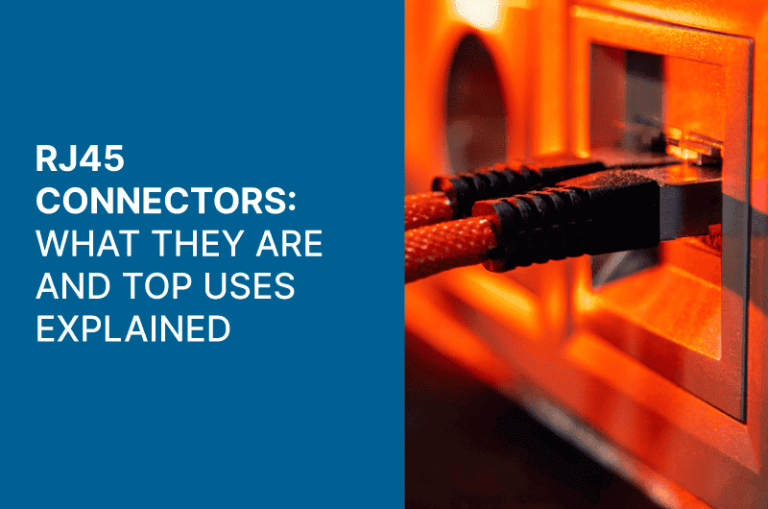
Ruggedized RJ45 Connectors for High-Speed Data and Ethernet Networks
Standard commercial-grade ports fail under railway stresses. Engineers specify ruggedized versions to ensure stable network connectivity for critical data and power transmission across modern train fleets.
Mechanical Locking Mechanisms for Vibration Resistance
Standard RJ45 connectors rely on fragile latch mechanisms that easily break under constant motion. Railway systems demand robust locking solutions, such as metal thread sleeves or heavy-duty clips, to prevent accidental disconnection. These mechanical locks secure the connection against high-frequency vibrations and shock loads defined in IEC 61373, ensuring continuous operation without signal loss.
Signal Integrity in Industrial Ethernet and PROFINET
Maintaining signal clarity is vital for real-time control systems. Ruggedized connectors feature precision-engineered contacts that preserve characteristic impedance, minimizing attenuation and crosstalk. This design supports high-speed protocols like PROFINET and Ethernet IP, allowing seamless communication between distributed control units and central processing systems.
Deployment in Infotainment and Telemetry Systems
Passenger comfort and operational efficiency rely on robust data links. These connectors support high-bandwidth applications, including Wi-Fi access points, digital displays, and security camera networks. They also facilitate telemetry data transmission, enabling remote diagnostics and predictive maintenance capabilities for fleet operators.
Cable Management and Impedance Control
Effective strain relief designs reduce physical stress on the cable and connector interface. Proper cable management systems ensure consistent impedance matching, which is crucial for maintaining signal integrity over long distances within the train. This reduces electromagnetic interference and ensures reliable data delivery.
Transition to Single Pair Ethernet (SPE)
The industry is shifting toward Single Pair Ethernet to simplify wiring and reduce weight. Modern ruggedized RJ45 modules are increasingly compatible with SPE standards, allowing for high-speed data transmission over a single twisted pair. This transition supports future-proofing for smart railway initiatives while maintaining backward compatibility with existing Cat5e/Cat6 infrastructure.
Key Electrical Specifications and Performance Criteria
Selecting appropriate heavy-duty connectors for railway systems requires precise attention to electrical parameters. These specifications ensure reliable power delivery and data integrity under extreme operational conditions. Engineers must evaluate ratings that guarantee safety and functionality in mass transit environments.
Voltage and Current Rating Classifications
Railway applications demand connectors capable of handling significant electrical loads. Traction systems and auxiliary power units require components with high amperage capabilities, often exceeding 125A. Selecting the correct voltage rating prevents insulation breakdown and ensures long-term reliability. Heavy-duty connectors must maintain stable performance despite fluctuating power demands.
Insulation Resistance and Dielectric Strength
High insulation resistance is critical for preventing leakage currents in humid or dusty conditions. The dielectric strength of connector materials determines their ability to withstand voltage spikes without arcing. Robust insulation protects against short circuits and enhances overall system safety. This characteristic is vital for maintaining operational integrity in harsh railway environments.
High-Speed Data Transmission Requirements
Modern trains rely on rapid data exchange for diagnostics and passenger information. Connectors must support high-frequency signals without degradation. Maintaining signal quality ensures accurate communication between critical onboard systems. Engineers prioritize specifications that minimize data loss during high-speed transmission.
Attenuation and Crosstalk Minimization
Signal attenuation and crosstalk can severely disrupt data integrity. Effective shielding and proper connector design reduce electromagnetic interference. Minimizing these issues ensures clear communication channels for vital train control systems. Reliable performance depends on controlling signal noise and preserving data accuracy.
Impedance Matching for Signal Clarity
Consistent impedance matching is essential for maintaining signal clarity. Mismatched impedance causes reflections that distort transmitted data. Proper design ensures smooth signal flow, preventing errors in high-speed networks. This precision supports the efficient operation of digital train networks and telemetry systems.
Industry Standards and Regulatory Compliance for Railway Connectors
Ensuring the reliability of heavy-duty connectors in railway systems requires strict adherence to international regulations. These standards guarantee that components can withstand harsh operational environments while maintaining safety and performance integrity across global networks.
DIN EN 50155 and IEC 60751 Operational Requirements
The DIN EN 50155 standard, also known as IEC 60751, serves as the foundational framework for electronic equipment used in rolling stock. It defines rigorous test procedures for voltage variations, transient conditions, and electromagnetic compatibility. Engineers must verify that connectors comply with these operational requirements to ensure continuous functionality under fluctuating power supplies typical in train networks.
IEC 61373 Testing for Shock and Vibration
Railway vehicles endure constant mechanical stress during operation. The IEC 61373 standard specifies detailed testing protocols for shock and vibration resistance. Heavy-duty connectors undergo random vibration tests and sinusoidal shock assessments to simulate real-world conditions. Passing these tests ensures that mechanical locks and housing materials remain secure, preventing intermittent connections or structural failures over decades of service.
RoHS Directive and Environmental Sustainability
Environmental regulations play a crucial role in modern railway component selection. The Restriction of Hazardous Substances directive limits the use of specific materials like lead and mercury in electronic assemblies.
Restriction of Hazardous Substances in Components
Manufacturers must source materials that meet strict chemical limits to protect worker health and the environment. Heavy-duty connectors are manufactured using halogen-free polymers and lead-free solder joints. This compliance reduces toxic emissions in case of fire and simplifies recycling processes at the end of the product lifecycle.
Global Certification for Cross-Border Rail Networks
International rail networks require uniform safety certifications to facilitate cross-border operations. Compliance with RoHS and other global standards allows connectors to be deployed across different regions without regulatory barriers. This universality supports the efficiency of mass transit systems by ensuring that spare parts and maintenance protocols remain consistent worldwide.
Selection Guidelines for Railway System Engineers
Selecting the right components requires a strategic approach that balances technical performance with operational reality. Engineers must navigate complex trade-offs to ensure system reliability across the lifespan of the rolling stock.
Matching Connector Types to Specific Train Applications
Choosing appropriate hardware begins with aligning component capabilities with the precise demands of each subsystem. For control cabinets, D-Subminiature connectors offer high-density signal transmission ideal for diagnostic ports and passenger information displays. In contrast, metric circular heavy-duty connectors dominate power distribution tasks, handling high currents for traction units and auxiliary systems. Ruggedized RJ45 ports are essential for high-speed data networks, supporting infotainment and telemetry. M12 circular connectors provide versatile solutions for sensor integration in tight spaces. Each type serves a unique function, ensuring that electrical continuity is maintained under extreme conditions without compromising signal integrity or power delivery efficiency.
Balancing Compactness with Mechanical Durability
Space constraints within modern train interiors often conflict with the need for robust mechanical protection. Engineers must select connectors that offer high durability without exceeding spatial limits. Heavy-duty connectors designed for railway systems frequently feature metal housings that provide effective electromagnetic interference shielding while maintaining a compact footprint. The use of secure locking mechanisms, such as bayonet couplings or threaded sleeves, ensures resistance to vibration and shock. This balance is critical for maintaining long-term reliability in environments subject to constant movement and harsh environmental exposure, preventing intermittent connections that could lead to system failures.
Evaluating Long-Term Cost of Ownership
Initial purchase price represents only a fraction of the total expenditure. A comprehensive evaluation must consider maintenance needs, ease of repair, and supplier reliability over the asset’s operational life.
Maintenance Accessibility and Modular Design
Connectors featuring modular designs significantly reduce downtime during repairs. Modular connectors allow engineers to replace individual contacts or seals rather than discarding entire assemblies. This approach minimizes material waste and labor costs. Accessibility is another crucial factor; connectors that are easy to inspect and service facilitate preventive maintenance routines. Reducing the complexity of disassembly and reassembly ensures that technical staff can perform tasks quickly and accurately, keeping trains operational and maximizing revenue-generating hours.
Supplier Support and Customization Options
Reliable supply chain support is vital for uninterrupted operations. Leading manufacturers provide extensive customization options, allowing engineers to tailor connectors to specific architectural requirements. This includes specialized pinouts for safety systems, unique housing materials for fire safety compliance, and custom cable assemblies. Strong supplier partnerships ensure access to technical expertise and prompt availability of replacement parts. Such support structures are indispensable for meeting stringent industry standards and adapting to evolving technological demands in smart railway networks.
Future Trends in Smart Railway Connectivity
The railway sector is rapidly evolving toward intelligent networks, requiring advanced heavy-duty connectors to support next-generation infrastructure. Engineers must now consider higher data speeds, eco-friendly materials, and real-time diagnostic capabilities when selecting components for modern fleets.
Evolution Toward Higher Bandwidth and Lower Latency
Modern trains rely on massive data streams from high-definition cameras, passenger Wi-Fi, and control systems. Traditional connections often struggle with these demands. New heavy-duty connectors designed for Single Pair Ethernet and advanced industrial protocols offer the bandwidth necessary for real-time video and telemetry. This shift reduces latency, ensuring immediate responses from braking and signaling systems, which is critical for safety and operational efficiency in high-speed environments.
Sustainability in Connector Material Science
Environmental responsibility is becoming a central factor in procurement decisions. Manufacturers are developing connector housings from recycled thermoplastics and bio-based polymers that meet stringent RoHS directives without compromising durability. These sustainable materials reduce the carbon footprint of the entire train lifecycle. Furthermore, the design process now prioritizes modularity and repairability, allowing parts to be replaced individually rather than discarding entire units, which aligns with global circular economy goals.
Real-Time Telemetry and Condition Monitoring
Integrating sensors directly into the connector housing enables continuous health monitoring. This technology detects micro-fractures, temperature spikes, or loose contacts before they cause failures. By transmitting this data wirelessly to maintenance hubs, operators can schedule repairs proactively, minimizing downtime and enhancing passenger safety through predictive analytics.
Enhanced Cybersecurity in Digital Train Networks
As trains become more connected, they face increased cyber threats. Heavy-duty connectors now feature tamper-evident designs and integrated encryption modules to protect data integrity. Secure physical layers prevent unauthorized access to critical control systems, ensuring that the digital infrastructure remains resilient against sophisticated attacks while maintaining seamless communication between train cars and central management centers.
FAQs — Heavy-Duty Connectors for Railway Systems
1. What are heavy-duty connectors used for in railway systems?
Heavy-duty connectors are used to provide reliable electrical, power, and data connections in railway applications. They connect components such as sensors, control systems, communication equipment, lighting, HVAC systems, and other onboard equipment while withstanding demanding operating conditions.
2. What types of heavy-duty connectors are commonly used in railway systems?
Common types include M12 connectors, D-Sub connectors, RJ45 connectors, circular connectors, and DIN connectors. The appropriate type depends on the application, required data transmission, electrical specifications, installation environment, and available space.
3. Why are heavy-duty connectors important for railway applications?
Railway environments expose connectors to vibration, mechanical stress, dust, moisture, temperature variations, and electromagnetic interference. Heavy-duty connectors are designed to provide secure and reliable connections under these demanding conditions, helping reduce connection failures and maintenance requirements.
4. How do you choose the right heavy-duty connector for a railway application?
The selection depends on several factors, including connector type, number of contacts, voltage and current requirements, IP rating, cable size, shielding, temperature range, vibration resistance, and data transmission requirements. The connector should also meet the relevant railway standards for its intended application.
5. Are M12 connectors suitable for railway systems?
Yes. M12 connectors are widely used in industrial and transportation applications where compact, reliable connections are required. Depending on the coding and configuration, they can support sensors, automation equipment, Ethernet networks, and other data or signal applications.
If you would like to receive a quote for any of custom cables or connectors, please do not hesitate to contact us by sending an email to sales@readytogocables.com or calling in the USA this phone number (682-325-1944).