RS-232 in aerospace remains vital in defense applications due to its reliability and simplicity. Despite advancements in technology, this standard is immune to noise over short distances and integrates well with legacy systems in military and aviation platforms. The continued use of RS-232 in aerospace serial communication systems ensures operational stability and compatibility in demanding environments. This article explores its critical role and ongoing relevance in modern defense strategies.
RS-232 in Aerospace: Overview of Serial Communication Systems
Understanding the RS-232 standard is essential for grasping its significance in aerospace applications. This overview outlines the foundational elements and characteristics of RS-232 as they relate to serial communication systems.
Fundamentals of the RS-232 Standard
The RS-232 standard was developed in the early 1960s by the Electronic Industries Association (EIA). It established a set of electrical and mechanical characteristics for serial communication. Primarily, RS-232 defines how data is transmitted serially over short distances, facilitating the exchange of information between devices. Its simplicity and effectiveness have allowed its continued use in aerospace systems despite the emergence of more sophisticated protocols.
Electrical Characteristics and Voltage Interface
RS-232 utilizes specific electrical characteristics that make it suitable for aerospace applications. The interface mainly operates with voltage levels that differentiate between binary states; a logical ‘1’ ranges between -15V to -5V, while a logical ‘0’ is represented by +5V to +15V. These voltage levels ensure reliable signal transmission in various operational scenarios, particularly in environments with high electromagnetic interference. This reliability is paramount in defense applications, where signal integrity is critical.
Typical Pin Configurations and Connectors Used
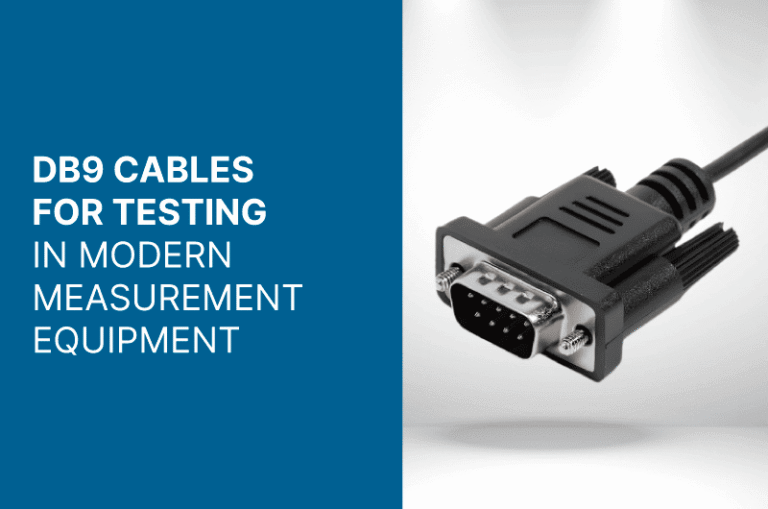
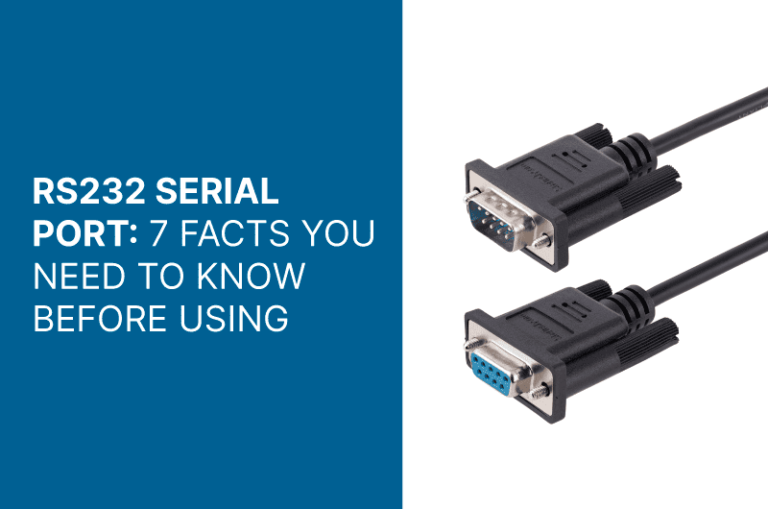
Standard RS-232 connections are typically realized through specific pin configurations, which can vary depending on device requirements. The most common connector used is the DB-9, which offers nine pins for essential signal connections, while the older DB-25 connector uses 25 pins. The selection of connectors is vital in aerospace, where conditions can be harsh, and equipment must withstand extensive vibration and temperature variations. These connectors are often designed to meet MIL-Spec standards, ensuring durability and reliability in military and aerospace applications.
- Common connector types include:
- DB-9 connectors for typical serial communication.
- DB-25 connectors for legacy systems.
- MIL-Spec connectors designed for extreme conditions.
In summary, RS-232 remains a cornerstone of serial communication systems in aerospace, providing a reliable and understood framework for the integration of critical systems. Its electrical characteristics, alongside appropriate connector designs, ensure continued relevance in modern defense settings.
Applications of RS-232 in Aerospace and Defense
The versatility of RS-232 in aerospace and defense applications is instrumental in ensuring reliable communication across various systems. This section delves into its vital roles in flight control, military communication, and naval systems.
Integration with Flight Control and Avionics Systems
RS-232 plays a critical role in connecting various components of flight control and avionics systems. Its implementation assures seamless data exchange under demanding conditions.
Real-Time Data Transmission in Cockpit Equipment
This standard facilitates real-time data transmission between cockpit displays and critical instrumentation. Data related to altitude, speed, and navigational inputs are continuously communicated, offering pilots essential information for decision-making.
Signal Reliability in Harsh Aerospace Environments
The resilience of RS-232 against environmental factors ensures a reliable connection in extreme conditions. Its voltage levels have been designed to withstand the noise and vibration experienced in aerospace environments, maintaining data integrity.
Use in Military and Aerospace Communication Equipment
The use of RS-232 is prevalent in various military and aerospace communication systems, bridging connections between equipment and tactical systems.
Combat Vehicles and Tactical Communication Links
In military applications, RS-232 is crucial for establishing communication links within combat vehicles. It supports data transmission between navigation systems and command centers, thereby enhancing operational efficiency in the field.
Data Communication in Electronic Warfare and Radar Systems
This standard enables data communication in electronic warfare setups and radar systems. The reliable transmission of signals is essential for targeting and reconnaissance operations, assisting in mission success.
RS-232 in Naval and Maritime Defense Systems
The maritime domain also benefits from the use of RS-232, especially in systems reliant on robust communication standards.
Corrosion-Resistant Connectors for Marine Applications
Naval systems employ corrosion-resistant connectors that ensure reliability and longevity in a marine environment. This design factor is essential for maintaining operational capability despite exposure to harsh sea conditions.
Radar and Sonar Data Interfaces
RS-232 facilitates critical data exchanges in radar and sonar systems aboard naval vessels. Its implementation ensures that data required for navigation and surveillance functions is transmitted effectively, crucial for maritime situational awareness.
Design Considerations for Aerospace Serial Communication Systems
Ensuring the reliability and efficiency of serial communication systems in aerospace requires careful design considerations. This section discusses the key factors that impact the performance and longevity of RS-232 connections in demanding environments.
Mitigating Electromagnetic Interference in Data Signals
Electromagnetic interference (EMI) poses a significant challenge for data signal integrity in aerospace applications. Effective strategies are necessary to minimize its effects and maintain communication quality.
Shielding and Cable Selection for High-Reliability
Choosing the right shielding and cable materials is critical to mitigate EMI. Cables designed with effective shielding can significantly reduce noise and increase data signal reliability. Options may include twisted pairs, foiled cables, and braided shields, all tailored for aerospace conditions.
Connector Specifications for EMI Resistance
Connectors contribute to overall system performance. Selecting connectors that comply with stringent EMI resistance standards is essential. These specifications may include specific designs that limit EMI exposure, thus enhancing signal integrity. Components must endure harsh environmental conditions found in aerospace applications.
Power and Signal Integrity in Short-Distance Communication
Maintaining signal integrity is paramount, especially over short distances typical in many aerospace systems. This integrity ensures efficient data transfer and operational reliability.
Voltage Levels Required for Stable Operation
Correct voltage levels are vital for stable RS-232 operations. Standard voltage levels typically range from -15V to +15V. Deviations may lead to signal degradation or system failure. Knowledge of these levels allows for secure communication within the aerospace domain.
Data Rates and Their Impact on System Performance
The data rate directly influences system performance. While RS-232 supports various speeds, selecting the optimal rate ensures data is transmitted without errors. Engineers must balance data demands with potential limitations inherent in the RS-232 protocol.
Extending RS-232 Cable Length: Challenges and Solutions
While RS-232 is not typically designed for long-distance communication, various strategies can extend cable lengths in aerospace applications. Engineers face unique challenges but also have solutions at their disposal.
Material Choices and Enhanced Wiring Techniques
Advanced materials and wiring techniques can enhance signal transmission over longer distances. Utilizing low-loss materials, for example, can drastically improve performance. Specialized cabling can also mitigate degradation over extended runs.
Use Cases in Larger Aerospace Platforms
Real-world applications demonstrate the robustness of RS-232 in larger aerospace platforms. Achieving reliable communication across expansive systems showcases the adaptability of this standard, ensuring that critical data remains accessible regardless of physical limitations.
Compatibility and Interoperability within Aerospace and Defense Systems
The interoperability of systems within aerospace and defense is crucial for ensuring effective communication and operational efficiency. As technology evolves, the ability to integrate RS-232 with modern systems becomes increasingly important.
Integration of RS-232 with Modern Protocols
Incorporating RS-232 into contemporary communication frameworks enhances the functionality of both new and legacy systems. This bridge allows for a seamless connection between older technologies and their modern counterparts.
Bridging Legacy Serial Systems with New Technologies
The integration effort often requires careful planning and implementation. Legacy serial systems can be quite different from newer technologies; thus, engineers must ensure that data formats and signaling protocols align.
- Identifying common data encoding methods
- Ensuring voltage compatibility
- Utilizing adapters and converters when necessary
This approach not only facilitates communication but also supports the longevity of existing systems while promoting innovation.
Certification and Compliance Requirements
Meeting specific certification standards is essential in aerospace and defense operations. The successful integration of RS-232 with newer standards necessitates compliance with various regulations that ensure safety and reliability.
- Adhering to military specifications
- Following industry-wide interoperability guidelines
This focus on certification helps maintain operational integrity across diverse platforms, fostering a secure environment for critical missions.
Role in Multi-System Connectivity and Control
The capability of RS-232 to support multi-system connectivity is vital for modern military operations. This allows different platforms and technologies to work together effectively, ensuring a cohesive operational framework.
Interface Management Between Equipment and Terminals
Managing multiple interfaces can be complex, particularly in high-stakes environments. RS-232 plays a key role in facilitating communication between various equipment and terminals, bridging gaps that might otherwise disrupt operations.
- Standardizing data input and output processes
- Ensuring all components can effectively communicate
This management process contributes to a more streamlined command structure that enhances situational awareness and response times.
Maintaining Stability Across Diverse Communication Equipment
Stability is paramount in aerospace and defense communications. The reliance on RS-232 for maintaining consistent interactions across diverse systems is noteworthy. Its sturdy performance under harsh conditions contributes to operational sustainability.
- Establishing redundant communication pathways
- Implementing rigorous testing regimes
These practices ensure that systems remain functional even in challenging scenarios, solidifying the importance of RS-232 in the broader communication landscape.
Innovations Impacting RS-232 in Aerospace Applications
Recent advancements are reshaping how RS-232 is utilized in aerospace applications, particularly with the integration of newer technologies that enhance its functionality and performance.
Incorporation with IoT and Wireless Communication Technologies
The evolution of the Internet of Things (IoT) is significantly influencing the role of RS-232 in defense systems. This classic protocol is bridging the gap between traditional systems and modern wireless technologies.
RS-232 as a Bridge in Connected Defense Systems
RS-232 facilitates connectivity within connected defense frameworks, enabling devices to exchange data seamlessly. By acting as an interface in hybrid setups, the protocol allows legacy systems to communicate with newer IoT devices, ensuring continuity and operational effectiveness in defense applications.
Enhancing Power Management Solutions in Serial Systems
Integrating RS-232 with IoT also streamlines power management. Enhanced protocols enable better monitoring of power consumption across devices. This capability is vital for minimizing energy usage while maintaining robust communication standards.
Advances in Connector and Cable Designs
Innovations in connector and cable technology significantly impact RS-232 applications within aerospace environments. These advancements focus on increasing durability and performance while meeting rigorous military specifications.
MIL-Spec Connectors for Harsh Environments
Connectors designed to MIL-Spec standards are engineered to withstand extreme conditions, from high vibrations to temperature fluctuations. These connectors ensure reliable data transmission in critical scenarios, thus preserving the integrity of RS-232 communication in harsh aerospace settings.
Improving Power Density and Signal Quality
Recent developments in cable design enhance power density and signal integrity, critical for aerospace applications. Improved materials and manufacturing techniques reduce signal loss, promoting efficiency in data transmission without compromising on reliability. Such enhancements contribute to stable and effective communication protocols within modern defense systems.
Frequently Asked Questions About RS-232 in Aerospace Serial Communication
This section addresses common inquiries regarding RS-232 in aerospace serial communication systems, focusing on its applicability and efficiency in defense scenarios.
Why is RS-232 Still Used in Modern Defense Systems?
Despite advancements in communication technologies, RS-232 maintains its presence in modern defense systems due to several key factors. Its simplicity ensures ease of integration with legacy systems, which are widespread in military applications. Additionally, the protocol’s reliability in transmitting data over short distances makes it ideal for critical operations in environments where signal integrity is essential.
Moreover, the widespread availability of RS-232-compatible components allows for cost-effective solutions while minimizing compatibility issues with existing hardware. The continued use of this standard aligns with the defense sector’s emphasis on ensuring operational continuity, especially when newer technologies may not yet be fully vetted for all applications.
What Are the Limitations of RS-232 Data Rates?
While RS-232 has proven to be effective, it comes with inherent limitations regarding data transmission rates. The standard typically supports transmission speeds up to 115,200 bits per second, which can be inadequate for modern applications requiring high-speed data transfer. This constraint can pose challenges, particularly in systems that demand the continuous flow of large data volumes.
Moreover, the physical distance limitations of RS-232 ensure that effective communication is ideally maintained within 30 meters. Exceeding this distance can degrade signal quality, leading to potential data loss or miscommunication, which is critical in military applications.
How Does RS-232 Handle Noise and Signal Interference?
RS-232 is designed with certain electrical characteristics that make it somewhat resistant to noise. It employs voltage levels that define the logic states, which can help in differentiating between the signal and the background noise. This design is particularly beneficial in challenging environments like aerospace, where electromagnetic interference is common.
Furthermore, to enhance signal integrity, the use of shielding and quality cables is recommended. This approach helps to minimize the impact of potential interference from other electronic equipment, ensuring reliable communication amongst interconnected systems.
Can RS-232 Support High-Speed Data Transmission Needs?
RS-232’s ability to support high-speed data transmission is limited when compared to modern protocols such as USB or Ethernet. The maximum bitrate is often insufficient for applications like video feeds or large sensor data transfers typically encountered in today’s sophisticated military operations.
However, it can still be utilized effectively for systems that don’t require extremely high data rates, making it suitable for various controls and telemetry applications in defense operations.
What Are the Best Practices for Maintaining RS-232 Systems in Aerospace?
To ensure the continued functionality of RS-232 systems in aerospace settings, several best practices should be observed:
- Regular inspections and maintenance of connectors and cables, ensuring that there is no physical damage or corrosion that could affect signal integrity.
- Utilizing high-quality shielding and cable materials specifically designed to withstand the environmental conditions often found in defense installations.
- Implementing protective measures against electromagnetic interference, ensuring that the systems remain operational in challenging situations.
- Training personnel involved in system operations to recognize and troubleshoot common issues effectively.
These practices help maximize the reliability and efficiency of RS-232 in critical aerospace applications, reinforcing its role in defense systems.