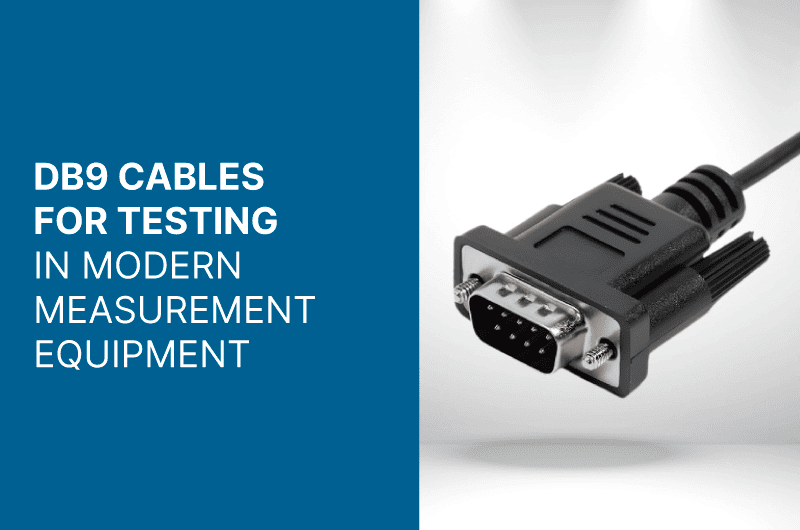
DB9 cables for testing remain essential in both laboratory and field measurement equipment. Their reliability and compatibility with legacy systems make them a preferred choice for data transmission in testing devices. This article examines the current applications of DB9 cables for testing, highlighting their stability in serial communication and ease of integration. It also addresses the DB9 connector pinout, providing insights into its relevance in technical and industrial environments.
Evolution of DB9 Cables for Testing
The story of DB9 cables is rooted in the advent of serial communication technologies. Initially developed in the 1960s as part of the RS-232 standard, these connectors were created for connecting computers and peripheral devices. Over the decades, the reliance on these cables has expanded significantly, allowing for seamless integration with a variety of testing equipment.
The design and functionality of DB9 cables have evolved to meet changing technological demands. Their widespread use in devices, such as modems and printers, exemplifies their adaptability. As advancements in technology introduced more sophisticated interfaces like USB, many predicted the decline of DB9 cables. However, this has not happened due to their continued prevalence in many industrial applications.
Several factors contribute to the ongoing relevance of DB9 cables. These include:
- Compatibility with legacy systems that are still operational in various sectors.
- Robust design, which ensures the reliable transmission of data even in harsh environments.
- A simple pinout configuration, making troubleshooting and maintenance manageable.
The durability and stability of DB9 connectors have made them a preferred choice for many engineers and technicians. As modern measurement equipment continues to incorporate legacy connections, the demand for DB9 cables persists. They remain a crucial element in maintaining connectivity and ensuring data integrity in testing environments.
In recent years, the evolution of DB9 cables has also included enhancements in material and manufacturing processes. These improvements not only increase performance but also align with sustainability goals in production. As organizations seek eco-friendly solutions, manufacturers are adopting green practices, which further solidifies the DB9 cable’s position in the market.
Technical Design and Specifications of DB9 Cables
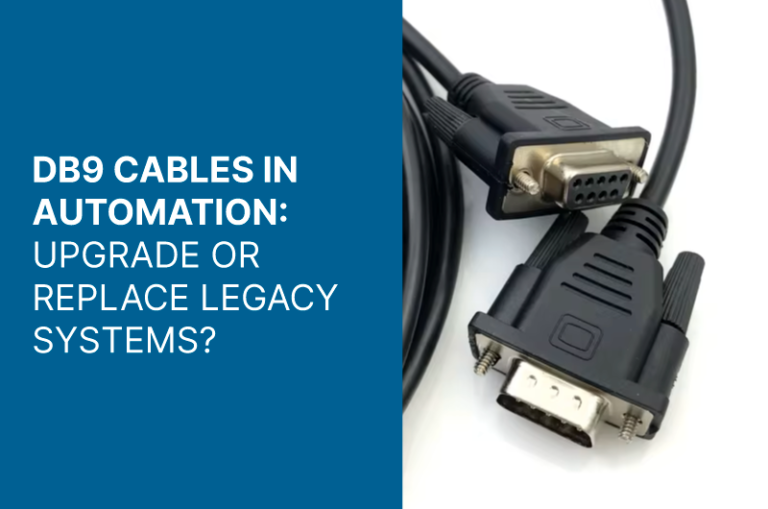
The construction of DB9 cables focuses on creating reliable connections for data transmission. Central to their design is the DB9 connector, which features nine pins capable of facilitating serial communication. This standard configuration has made DB9 cables a versatile choice across various applications.
Key components of DB9 cables include:
- Conductors: Typically made from high-quality copper, the conductors within DB9 cables often follow a gauge of 28AWG. This ensures low resistance and effective data transfer capabilities.
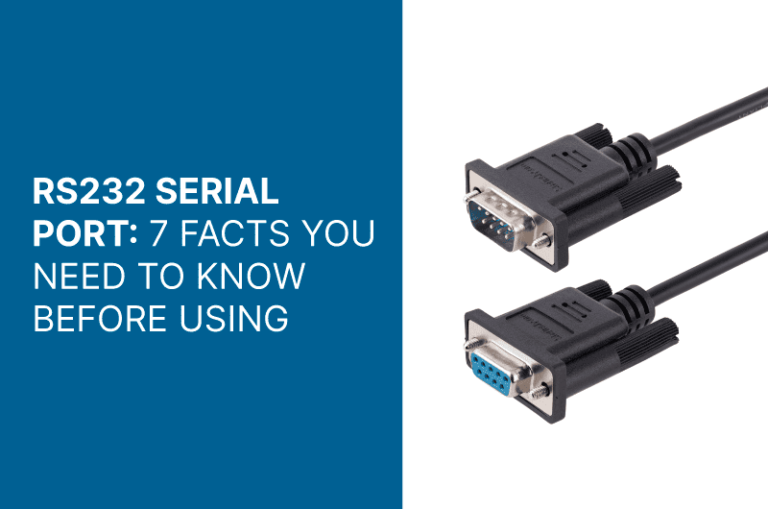
- Connectors: Available in both male and female versions, the DB9 connectors are engineered to maintain a consistent pin layout. The pinout is essential for ensuring proper communication between devices.
- Shielding: Many DB9 cables utilize double shielding, which combines a metal foil and an outer mesh. This design helps prevent electromagnetic interference, thereby preserving signal quality during transmission.
- Durability: A strong and robust construction is crucial, especially in industrial environments. High-grade materials are often used to withstand mechanical stress and other harsh conditions.
The DB9 connector pinout is particularly noteworthy, as it defines the specific electrical function of each pin. This precision in functionality is vital for facilitating effective communication protocols. Each pin serves distinct roles, including data transmission, reception, and control signals.
Another important aspect in the technical design is the length of the cable. DB9 cables come in various lengths to accommodate different setups, allowing versatile implementation in testing frameworks. Selecting an appropriate length is crucial to avoid issues related to signal degradation over extended distances.
By understanding these technical specifications, users can better appreciate how DB9 cables for testing continue to be integral elements in modern measurement equipment. Their design not only offers reliability but also aligns seamlessly with both current technologies and legacy systems.
Applications of DB9 Cables for Testing in Measurement Equipment
DB9 cables for testing are utilized across various applications in measurement equipment, reflecting their versatility and reliability. One significant area of use is within laboratory settings where precise data acquisition is essential. Instruments such as oscilloscopes and multimeters often rely on these cables for stable connections, allowing for accurate readings and effective monitoring of experimental setups.
Another key application involves the integration of legacy systems with modern devices. Many industries continue utilizing older equipment, and the compatibility of DB9 cables ensures seamless communication with contemporary machinery. This ability to bridge the gap between old and new technology is invaluable for organizations looking to maximize their existing assets.
- Automated testing systems: DB9 cables facilitate communication between various automated testing instruments, ensuring efficient data flow to central controllers.
- Scientific instrumentation: In research labs, these cables connect sensitive scientific instruments with data acquisition systems, ensuring the integrity of data during experiments.
- Industrial applications: Many manufacturing processes depend on DB9 cables for reliable communication among sensors and control units, contributing to overall operational efficiency.
- Field testing equipment: Mobility in testing equipment is crucial, and DB9 cables are often implemented in portable devices used for field measurements, sustaining their robustness under demanding conditions.
Finally, DB9 cables play a crucial role in settings that require serial communication. Their design supports a stable and effective means of transmitting data in applications where timing and synchronization are critical. This reliability in data transmission makes them a preferred choice for systems where performance cannot be compromised.
Choosing the Right DB9 Cable for Testing Purposes
Selecting an appropriate DB9 cable for testing is essential for ensuring reliable data transmission in measurement equipment. Factors such as cable length, shielding, and connector construction play significant roles in determining the right choice for specific applications. A well-chosen cable not only enhances performance but also prolongs the lifespan of both the cable and connected devices.
When evaluating different DB9 cables, consideration should be given to the following key factors:
- Length of the Cable: The necessary length should accommodate current setups while allowing for future flexibility. Longer cables may introduce signal degradation, so optimal lengths should be selected to maintain data integrity.
- Shielding: In environments with high electromagnetic interference (EMI), selecting cables with superior shielding is crucial. Double shielding can protect the signals from external noise, ensuring stable communication.
- Connector Quality: The construction of the DB9 connectors also affects performance. Gold-plated connectors offer better conductivity and corrosion resistance, providing more reliable connections over time.
- Compatibility: Ensuring that the cable aligns with device requirements is vital. Different devices may have specific pinout configurations or functional needs that must be matched to avoid communication issues.
By assessing these factors, technicians can make informed decisions about which DB9 cables to utilize for their testing needs. The right choice not only fulfills operational requirements but also ensures seamless integration with existing systems, ultimately improving measurement accuracy and efficiency.
Common Troubleshooting and Best Practices for Testing
Effective troubleshooting of DB9 cables for testing begins with a systematic approach. Ensuring that connections are secure is crucial, as loose connections can lead to erratic performance. It’s recommended to visually inspect both the DB9 connector pinout and the cable for any signs of wear or damage before any testing process.
Another important step is to verify the cable’s integrity using a multimeter. This helps to measure resistance and ensure there are no breaks within the conductors. Consistent test results can indicate a well-functioning cable, while inconsistencies may point to issues that need addressing.
- Check for correct pin configuration by referring to the relevant DB9 connector pinout specifications. Miswiring can cause communication failures.
- Be aware of any electromagnetic interference in the surrounding environment. Using shielded cables can help mitigate this problem.
- Consider the cable length as longer runs may introduce resistance. Keeping lengths to a minimum can enhance signal integrity.
When testing, use high-quality connectors and inspect them regularly. The quality of connectors affects the overall performance of DB9 cables for testing. Poor-quality connectors can lead to signal loss and increased error rates.
Documenting test results is also a best practice. Keeping records of voltage levels, resistance, and any intermittent issues can be invaluable for future troubleshooting efforts. Trends may emerge from this documentation that can identify recurring problems and lead to proactive solutions.
If you would like to receive a quote for any of custom cables or connectors, please do not hesitate to contact us by sending an email to sales@readytogocables.com or calling in the USA this phone number (682-325-1944).