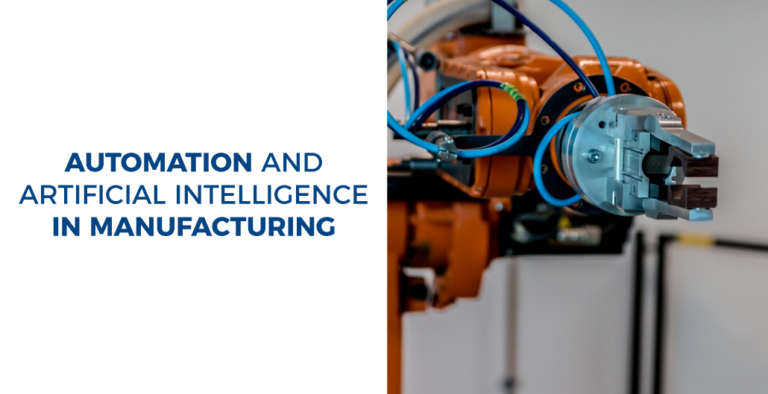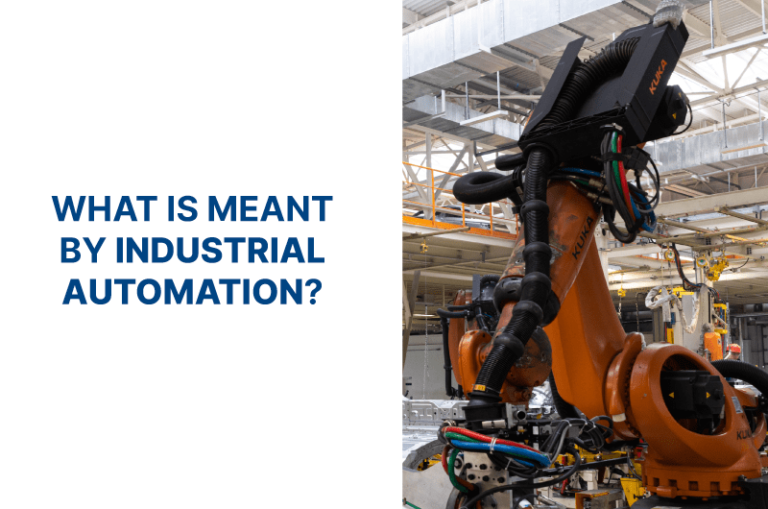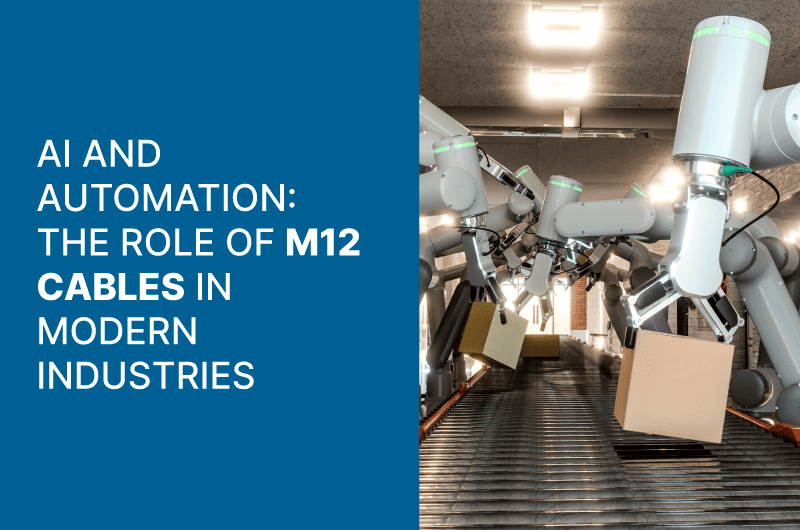
AI automation is rapidly changing modern industries, particularly in manufacturing and logistics. M12 cables play a crucial role in this transformation by providing reliable connectivity for autonomous systems, industrial robots, and intelligent machinery. This article will explore the significance of M12 cables in supporting efficient and precise operations. It will also cover their evolution and various applications, showcasing how they facilitate the integration of AI technologies in industrial environments.
Evolution of M12 Cables in Modern Industries
The evolution of M12 cables has been pivotal in shaping modern industrial connectivity. These cables have adapted to meet the demands of emerging technologies, ensuring robust solutions for automation and data transmission.
Development and Standards
M12 cables were initially introduced to support sensors and actuators in industrial environments. Over the years, various standards have emerged to ensure compatibility and reliability across applications. Key developments include:
- Standardization of M12 connectors under IEC 61076-2-101, defining pin assignments and configurations.
- Introduction of different coding types, such as A, B, C, and D, each tailored for specific applications ranging from power supply to data transmission.
- Enhanced construction techniques, which focus on durability, flexibility, and signal integrity, leading to widespread adoption in industry.
Importance in Industrial Settings
M12 cables are crucial in modern industrial settings due to their robust design, which accommodates harsh environments. Their importance can be summarized in several key areas:
- Facilitate reliable data transmission between various devices, ensuring efficient communication in automation systems.
- Support the interconnectivity required for Industry 4.0 applications, where interconnected devices rely on stable connections.
- Enable the deployment of compact solutions, fitting seamlessly into machinery where space constraints are a concern.
Innovations and Future Trends
As technology advances, the M12 cable landscape continues to evolve. Recent innovations focus on enhancing data transmission speeds and power delivery capabilities. Future trends include:
- Development of shielded M12 cables to mitigate interference from electromagnetic fields, essential for sensitive data applications.
- Integration with IoT technologies, which emphasizes the need for cables that support extensive networks of connected devices.
- Advancements in materials that improve resistance to environmental factors, thereby extending service life and reliability in extreme conditions.
M12 Cables and Their Role in Automation
M12 cables are critical components in facilitating the complex interconnections required in modern automation systems. Their robust design and reliable performance make them indispensable in various industrial applications.
Enhancing Industrial Automation Systems
In industrial environments, automation systems require components that can withstand demanding conditions while maintaining optimal performance. M12 cables enhance these systems by providing:
- Reliable Connections: M12 cables ensure stable and secure connections between sensors, actuators, and controllers.
- Flexibility: Available in various configurations, these cables can be tailored to specific installation requirements, improving both functionality and efficiency.
- Durability: Built to resist environmental challenges such as moisture, dust, and extreme temperatures, M12 cables contribute to the longevity of automation systems.
Integration with AI Technologies
The rise of artificial intelligence in industrial automation requires advanced connectivity solutions. M12 cables play a pivotal role by enabling:
- High-Speed Data Transmission: Supporting rapid data flow between devices, M12 cables facilitate real-time decision-making and analytics driven by AI.
- Seamless Communication: They provide an efficient link between AI algorithms and machinery, enhancing predictive maintenance and overall system responsiveness.
- Streamlined System Integration: Their versatility allows for easy incorporation into existing infrastructures, enabling industries to upgrade to intelligent automation without extensive rewiring.
Supporting Autonomous Systems
The advancement of autonomous systems in industries like manufacturing and logistics necessitates reliable connectivity for optimal performance. M12 cables support these systems through:
- Power Delivery: They are capable of supplying power alongside data, which is essential for the operation of autonomous devices.
- Signal Integrity: M12 cables maintain robust signal integrity, critical for safety and precision in autonomous processes.
- Adverse Condition Performance: Their construction allows them to function effectively in harsh environments, ensuring that autonomous systems operate without interruption.
Data Transmission and Signal Integrity
In modern industrial environments, data transmission and maintaining signal integrity are paramount. M12 cables play a crucial role in ensuring reliable communication between different devices, particularly in automation systems. Understanding how these cables contribute to data integrity is essential for their effective use.
Reliable Data Transmission with M12 Cables
M12 cables are designed to provide stable and reliable data transmission across various industrial applications. These cables feature robust construction that minimizes data loss and ensures high transmission speeds. Key factors that contribute to their reliability include:
- High-quality materials that reduce signal degradation.
- Standardized connector designs that ensure secure connections.
- Compatibility with multiple communication protocols, facilitating seamless integration.
Furthermore, M12 cables can support advanced data transmission requirements, making them ideal for use in automated systems that rely on accurate and quick data exchange.
Maintaining Signal Integrity in Adverse Conditions
Signal integrity is critically important in challenging environments. M12 cables are specifically designed to maintain signal quality despite exposure to adverse conditions such as temperature fluctuations, moisture, and electromagnetic interference (EMI). Factors that help uphold signal integrity include:
- Shielding options that protect against EMI and RFI.
- Durable insulation materials that resist temperature and environmental impacts.
- Robust construction, including flexible designs that minimize stress on cables during movement.
By addressing these challenges, M12 cables ensure reliable performance and data accuracy within industrial automation settings.
Shielded vs. Unshielded M12 Cables
M12 cables come in both shielded and unshielded configurations, each serving specific applications depending on the required level of protection against interference. The differences include:
- Shielded M12 Cables: These cables include an additional layer of protection that reduces the impact of external electromagnetic fields, ensuring cleaner signal transmission. Shielded versions are ideal for environments with high interference levels.
- Unshielded M12 Cables: While these cables may not offer the same level of protection, they can be suitable for applications where interference is minimal. They are often more flexible and lightweight, making them easier to install in tight spaces.
Choosing between shielded and unshielded options depends on the specific requirements of each industrial scenario.
Power Supply and M12 Power Cables
The role of M12 power cables in providing reliable energy supply within industrial settings has become increasingly crucial. These cables not only facilitate efficient power transmission but also meet the demands of modern automation technologies.
Supplying Power in Compact Spaces
M12 power cables are specifically designed to deliver power in compact and constrained environments. Their circular design allows for high-density connectivity, enabling manufacturers to integrate them into tight spaces without compromising performance. This compact structure makes M12 cables suitable for:
- Connecting devices in automated machines
- Integrating into control cabinets with limited space
- Facilitating connections in robotic systems and assembly lines
This ability to operate effectively in cramped areas is essential for maintaining streamlined production processes and optimizing equipment layouts.
High-Voltage and Current Capabilities
M12 power cables are engineered to handle high voltages and currents, making them ideal for diverse industrial applications. Their robust construction ensures that they can supply substantial power without the risk of overheating or signal degradation. Key aspects include:
- Support for voltages up to 630 V
- Current ratings of 16 A or higher
- Compatibility with various power sources, including AC and DC
This versatility not only enhances the operational capabilities of connected devices but also ensures compliance with industrial safety standards.
Applications in Industrial Environments
M12 power cables find utilization in various industrial environments, ranging from manufacturing plants to logistics operations. Their ability to maintain performance under challenging conditions makes them a preferred choice. Common applications include:
- Power supply for automated assembly lines
- Feeding energy to robotic arms in production systems
- Facilitating connections in conveyor systems and material handling equipment
These applications highlight the importance of M12 power cables in enhancing efficiency and reliability, contributing to the overall advancement of industrial automation. Their performance not only supports machinery operation but also plays a vital role in minimizing downtime and ensuring continuous workflow.
M12 Connectors: Types and Applications
M12 connectors are vital components in industrial automation, providing secure and robust connections between various devices. Their design and functionality cater to diverse operational needs across sectors.
Various Types of M12 Connectors
M12 connectors come in several types, each designed for specific applications. Understanding the differences among these types is crucial for selecting the right connector for a given task. The main types include:
- A-coded Connectors: The most common type, used primarily in DC applications involving sensors and actuators.
- B-coded Connectors: Typically employed in fieldbus systems such as Profibus and Interbus, suitable for networking.
- C-coded Connectors: Designed for AC power applications, featuring extended grounding pins for safety.
- D-coded Connectors: Configured for industrial Ethernet applications, supporting data transfer rates of up to 100 Mbit/s.
- X-coded Connectors: Built for high-speed Ethernet applications, capable of transmitting data at speeds reaching 10 Gbit/s.
Selecting the Right M12 Connector
Choosing the appropriate M12 connector involves several considerations to ensure compatibility with specific applications. Key factors include:
- Pin Count: The number of pins required for the application, which influences data and power transmission capabilities.
- Coding Type: The connector coding should match the intended use, whether for data transmission, power supply, or sensor connection.
- Environmental Ratings: Selecting connectors with suitable Ingress Protection (IP) ratings to withstand dust and moisture in industrial environments.
Applications in Manufacturing and Logistics
M12 connectors are extensively used in various applications across manufacturing and logistics sectors. Their reliability and versatility make them indispensable in the following areas:
- Factory Automation: Connecting sensors and actuators within automated systems to enhance production efficiency.
- Robotics: Facilitating communication between robotic systems and control units for seamless operation.
- Logistics Systems: Used in conveyor systems and automated warehouses for real-time data transmission and equipment monitoring.
- Medical Equipment: Ensuring reliable connections in medical devices where data integrity is critical.
- Renewable Energy Systems: Supporting monitoring and control in energy generation systems with robust connections.
Ensuring Connectivity and Performance
Ensuring effective connectivity and performance is critical in modern industrial environments. The use of M12 cables plays a significant role in maintaining the efficiency of automated systems.
Role of M12 Cables in Connection Systems
M12 cables are integral to connection systems within automation setups. Their robust design and versatile configurations enable seamless integration between various devices:
- Durability: M12 cables are engineered to withstand harsh industrial conditions, which ensures long-lasting performance.
- Flexibility: Available in multiple pin configurations, M12 cables facilitate connections in diverse applications.
- Reliability: These cables provide a stable connection that minimizes downtime and enhances operational efficiency.
Performance in Industrial Automation and Control
The performance of M12 cables is vital in industrial automation and control systems. They support high-speed data transmission and robust power supply, enabling efficient operation:
- Signal Integrity: Shielded M12 cables protect against electromagnetic interference (EMI) and ensure reliable data communication.
- Power Delivery: M12 power cables can handle high voltages and currents, making them suitable for powering heavy machinery.
- Compliance: Many M12 cables comply with industry standards, ensuring compatibility across various systems.
Connectivity Solutions and Options
When choosing connectivity solutions, M12 cables offer a range of options tailored to specific needs in automation:
- Connector Types: Different M12 connector types, such as A, B, C, and D codings, accommodate various signal requirements.
- Environmental Ratings: M12 cables with IP67 or higher ratings provide protection against dust and moisture, essential for outdoor or harsh conditions.
- Custom Solutions: Manufacturers often provide customized M12 solutions to meet unique application demands, enhancing system integration.
Challenges and Solutions in Industrial Automation
The landscape of industrial automation presents various challenges that require effective solutions. As technology advances and industries evolve, maintaining optimal performance while addressing connectivity issues becomes paramount. The following sections explore these challenges and strategies to overcome them.
Overcoming Connectivity Challenges
Connectivity issues pose a significant threat to the efficiency of industrial automation systems. Factors such as electromagnetic interference, distance limitations, and environmental conditions can hinder data transmission. To address these challenges, industries adopt several strategies:
- Shielded Cables: Utilizing shielded M12 cables can mitigate the impact of electromagnetic interference, ensuring clearer signals and higher data integrity.
- Regular Maintenance: Conducting frequent inspections and maintenance of the network infrastructure can help identify and rectify connection problems before they escalate.
- Optimized Network Design: Careful planning of network layouts can minimize distance-related issues, enhancing overall system reliability.
Solutions for Reliable and Convenient Systems
Industrial environments demand systems that not only function reliably but also adapt to changing conditions. Implementing the following solutions can improve both reliability and convenience:
- Flexible Connector Options: Utilizing various M12 connector types allows for adaptations based on specific needs, facilitating easier upgrades and replacements.
- Integrated Monitoring Tools: Deploying real-time monitoring systems can predict potential failures, allowing preventive measures to be taken.
- Standardization of Components: Adopting standardized components for automation reduces compatibility issues and simplifies system expansion.
Future Developments and Implementations
The future of industrial automation will likely see advancements that enhance connectivity and operational efficiency. Key trends include:
- Increased Use of IoT: The integration of IoT devices will enable greater data collection and analysis, boosting operational insight.
- Enhanced AI Capabilities: As AI becomes more sophisticated, it will facilitate more significant automation processes and predictive maintenance strategies.
- Improved Wireless Solutions: Development of robust wireless technologies may complement wired systems, offering flexibility and ease of deployment.
If you would like to receive a quote for any of custom cables or connectors, please do not hesitate to contact us by sending an email to sales@readytogocables.com or calling in the USA this phone number (682-325-1944).