Custom Cables Enhance the Industrial Internet of Things (IIoT) and Smart Manufacturing by providing reliable connections tailored to intelligent systems. These cables play a crucial role in optimizing data transmission and integrating various sensors and IoT devices. As Industry 4.0 evolves, the need for high-performance cabling solutions increases. Custom cables help reduce interference and ensure seamless operation within smart factories, enabling enhanced communication and efficiency.
Understanding Custom Cables in IIoT and Smart Manufacturing
Custom cables play a pivotal role in enhancing the functionality and reliability of Industrial Internet of Things (IIoT) systems and smart manufacturing operations. These specialized cables are designed to meet the unique demands of modern industrial environments.
The Role of Custom Cables
In the realm of IIoT and smart manufacturing, custom cables serve several crucial functions:
- They ensure optimal data transmission between devices, which is essential for seamless communication in automated processes.
- Custom cables can significantly reduce the likelihood of data loss or corruption during transmission, thus maintaining the integrity of critical information.
- Specific designs enable compatibility with diverse industrial devices and applications, making integration into existing systems smoother and more efficient.
Key Features of Custom Cables
Custom cables are characterized by several features that enhance their performance in demanding industrial settings:
- Durability: Built to withstand harsh environmental conditions, these cables are often resistant to abrasion, moisture, and extreme temperatures.
- Flexibility: The adaptability of custom cables allows them to fit various configurations and installation requirements, accommodating the ever-changing landscape of production facilities.
- Shielding: Enhanced shielding techniques are employed to minimize electromagnetic interference (EMI) and radio-frequency interference (RFI), which can disrupt data flow.
Compatibility with Industry Standards
Ensuring compatibility with industry standards is vital for the efficacy of custom cables in IIoT and smart manufacturing:
- Compliance with established regulations and protocols (such as UL and IEC standards) guarantees safety and reliability in installation and usage.
- Custom cables can be designed to meet specific technical requirements laid out by major equipment manufacturers, facilitating smoother integration into various systems.
- Maintaining up-to-date knowledge of evolving industry standards allows manufacturers of custom cables to create solutions that are both innovative and compliant.
Optimizing Data Transmission with Custom Cables
Custom cables play a vital role in optimizing data transmission for modern industrial applications. By leveraging specific designs and technologies, these cables enhance communication efficiency and reliability.
Data Cables and Their Importance
Data cables are fundamental to the infrastructure of IIoT and smart manufacturing environments. They ensure that data flows seamlessly between sensors, machines, and control systems. The ability to transmit data without delays or losses is critical for real-time monitoring and decision-making processes. High-quality data cables are designed to support high bandwidth, ensuring that manufacturing systems can handle vast amounts of information without performance degradation.
Fiber Optic Cable Solutions
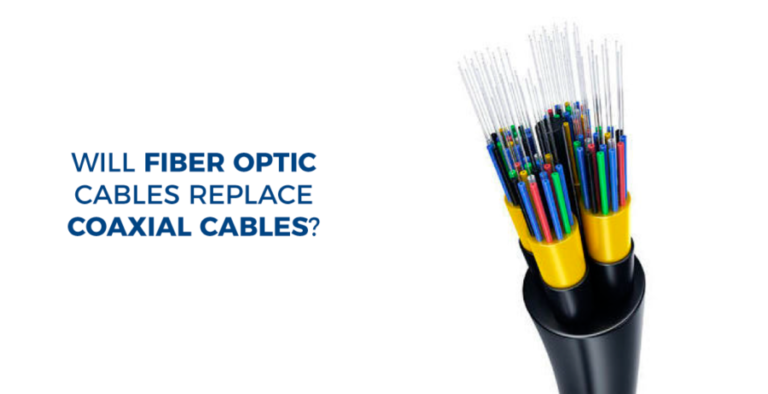
Fiber optic cables offer significant advantages for data transmission in industrial settings. These cables utilize light instead of electrical signals to transmit information, which leads to several benefits:
- High Speed: Fiber optic cables support exceptionally high data transfer rates, making them ideal for extensive network operations.
- Long Distances: Unlike traditional copper cables, fiber optics can transmit data over longer distances without signal loss.
- Reduced Interference: Fiber optics are immune to electromagnetic interference, ensuring consistent performance in electrically noisy environments.
These attributes make fiber optic solutions increasingly popular in smart factories, where data integrity is paramount.
Coax Cables for Reliable Data Transfer
Coaxial cables remain a trusted choice for various data transmission needs in industrial applications. They are particularly effective for transmitting video and broadband signals due to their ability to maintain signal integrity over longer distances. Key characteristics of coax cables include:
- Shielding: Coax cables are designed with robust shielding to minimize interference, which is crucial for maintaining data quality.
- Durability: Fabricated to endure harsh environmental conditions, these cables are suitable for demanding industrial applications.
- Ease of Installation: The structure of coax cables simplifies their installation, making them a cost-effective option in various setups.
Reducing Interference in Harsh Environments
In industrial settings, electromagnetic interference (EMI) and radio frequency interference (RFI) can disrupt data transmission. Custom cables are designed specifically to counter these challenges, which leads to improved performance. Techniques used to reduce interference include:
- Shielding Techniques: Implementing various shielding methods, such as braid or foil shields, prevents external signals from corrupting the transmitted data.
- Twisted Pair Configuration: Twisted pair cables are beneficial in environments with significant interference, as the twisting helps cancel out unwanted noise.
- Materials: Strong Insulation: Using high-quality insulation materials protects against environmental factors and enhances overall signal transmission quality.
Addressing interference is critical for ensuring reliable data communication, which is foundational for automated processes and smart manufacturing systems.
Enhancing Sensor and Device Integration
Integrating sensors and devices in smart manufacturing systems is crucial for optimizing processes and enhancing operational efficiency. Custom cables play a pivotal role in this integration, ensuring reliable communication and data transfer.
Custom Fiber Optic Solutions
Fiber optic cables offer unparalleled advantages in data transmission speed and capacity. Custom fiber optic solutions are particularly effective in environments where rapid and high-volume data communication is necessary. These cables provide:
- High bandwidth capabilities for massive data transfers.
- Resistance to electromagnetic interference, making them ideal for industrial settings.
- Lightweight and flexible designs that can adapt to complex layouts.
Additionally, with custom configurations, businesses can tailor fiber optic solutions to accommodate specific sensor requirements, enhancing connectivity across the manufacturing floor. This adaptability helps maintain consistent communication between various devices, which is essential for real-time data processing and automation.
Importance of Wire Harnesses in Automation
Wire harnesses streamline the connection of multiple sensors and devices, creating an organized and efficient network. Their significance in automation cannot be overstated. Some key benefits include:
- Compact design that minimizes clutter and simplifies installation.
- Reduction in installation time and costs by consolidating multiple cables into a single unit.
- Enhanced durability and protection against mechanical stress and environmental factors.
Custom wire harnesses can be tailored to meet specific operational needs, ensuring compatibility with various sensors and devices. This personalization extends to factors such as insulation materials, connector types, and lengths, allowing for optimal performance in diverse applications.
Small Cell Integration and Custom Cables
Small cell technology is becoming increasingly important in smart manufacturing environments. This technology requires efficient data transfer and reliable connections, which can be achieved through custom cabling solutions. Key aspects of this integration include:
- Seamless connectivity between small cells, ensuring uninterrupted data flow.
- Custom cables designed to meet the spatial constraints often present in modern facilities.
- Scalability to accommodate growing sensor networks as manufacturing evolves.
By employing custom cables for small cell integration, manufacturers can ensure that their data networks are robust enough to handle increasing demands, reducing latency and enhancing overall system performance.
Industry Applications and Benefits
Custom cables play a pivotal role in enhancing operational performance across various industries. Their tailored design offers solutions that cater to specific needs, ensuring efficient and effective data transmission and integration.
Compatible Solutions for Different Industries
Various industries benefit from custom cable solutions, each requiring unique specifications and functionalities. Some notable applications include:
- Aerospace: Custom cables designed for extreme conditions ensure reliability and safety in critical systems.
- Manufacturing: Specialized cables facilitate communication between machines, improving automation and data collection.
- Telecommunications: High-performance cables support advanced networks, enhancing data transmission speeds and connectivity.
- Medical Devices: Custom cables offer precision and reliability, essential for monitoring and diagnostic equipment.
Outdoor Rated Cables for Industrial Use
In many industrial environments, outdoor-rated cables are essential for maintaining performance in varying weather conditions. These cables are designed with durable materials that can withstand:
- UV Exposure: Prevents degradation in sunlight, adding longevity to installations.
- Extreme Temperatures: Ensures functionality in both high and low-temperature scenarios.
- Moisture Resistance: Safeguards against water ingress, which can cause short circuits or signal loss.
These features make outdoor-rated cables invaluable for applications such as remote sensors and communication equipment in field operations.
Wireless Tower Solutions and Custom Cables
Custom cables are integral to the construction and maintenance of wireless towers. These solutions ensure robust connectivity across various tower designs, accommodating:
- Signal Amplification: Optimizes communication range and performance.
- Interference Reduction: Carefully designed cabling minimizes noise, ensuring clearer signal transmission.
- Ease of Installation: Customizable lengths and configurations simplify the installation process.
Such features help service providers maintain high-quality communication in challenging environments.
Hybrid Cables in Smart Manufacturing
Hybrid cables combine different types of conductors, such as power and data lines, into a single sheath. This design reduces clutter and enhances efficiency in smart manufacturing environments. Key advantages include:
- Space Optimization: Reduces the need for multiple cables, freeing up valuable workspace.
- Simplified Wiring: Facilitates installation and maintenance processes.
- Improved Reliability: Fewer connection points lower the risk of faults in the system.
The integration of hybrid cables supports the seamless operation of machinery and systems in modern production facilities.
Advanced Custom Cable Assemblies
Advanced custom cable assemblies are essential in enhancing the functionality and efficiency of various industrial applications. These specialized solutions ensure that connectivity is optimized for complex systems, particularly in demanding environments.
MTP and MPO Cable Usage
MTP (Multi-fiber Termination Push-on) and MPO (Multi-fiber Push-On) cables are increasingly utilized for high-density data transmissions. They are designed to handle multiple fibers within a single assembly, reducing the amount of space required for cable management in equipment rooms and data centers.
- MTP and MPO cables support high-speed transmission, making them ideal for data centers and enterprise-level network applications.
- These cables are available in various configurations, allowing for flexible deployment in different settings.
- Utilizing MTP and MPO technology can significantly enhance network performance and provide scalability for future growth.
Mil Spec Cables for Industrial Automation
Mil Spec (Military Specification) cables are engineered to meet stringent standards required for military and industrial applications. Their design focuses on durability, reliability, and performance in harsh environments.
- These cables undergo rigorous testing to ensure they can withstand extreme temperatures, vibrations, and chemical exposures.
- Mil Spec cables are often used in automation systems where reliability is critical, such as in manufacturing lines and robotics.
- Their robust construction and high performance make them suitable for industries beyond military use, including aerospace and automotive sectors.
Optiflex Hybrid Cable Assemblies
Optiflex hybrid cable assemblies combine fiber and copper cabling into a single cohesive unit. This innovative design supports both power and data transmission within a single cable, streamlining installation and reducing clutter.
- Designed to improve efficiency, these assemblies optimize space and simplify connectivity for devices that require power and data, such as IoT sensors and automated machinery.
- Optiflex cables are versatile and can be customized based on specific application requirements, making them suitable for a wide range of environments.
- The integration of different transmission technologies into one cable offers the advantage of enhanced performance while reducing the overall cost of installations.
Addressing Common Questions about Custom Cables
This section addresses frequently asked questions related to custom cables, covering essential aspects such as differences from standard cables, how to choose the right one, and factors influencing quality and durability.
Differences Between Custom and Standard Cables
Custom cables differ from standard cables primarily in their design and functionality. While standard cables offer a one-size-fits-all solution, custom cables are tailored to specific applications within IIoT and smart manufacturing. Key differences include:
- Design Specifications: Custom cables can be designed to specific lengths, colors, and configurations, accommodating complex machinery and unique installations.
- Materials: The materials used in custom cables are often chosen for their superior performance in harsh environments, which standard cables may not withstand.
- Shielding and Protection: Custom cables can include additional shielding to prevent interference, particularly important in industrial settings where electromagnetic interference (EMI) is prevalent.
- Connector Options: Custom assemblies may utilize specialized connectors that are necessary for integrating with diverse equipment and systems.
Selecting the Right Custom Cable for Your Needs
Selecting an appropriate custom cable depends on several criteria tailored to specific applications. Considerations include:
- Application Requirements: Define the operational environment and identify any unique electrical, mechanical, or thermal demands.
- Performance Criteria: Evaluate the required bandwidth, signal integrity, and data transmission speed to ensure the cable meets operational standards.
- Environmental Factors: Assess factors like temperature extremes, exposure to chemicals, and the potential for physical strain, as these can influence cable performance.
- Compliance with Standards: Ensure that custom cables adhere to industry-specific standards for safety and performance.
Ensuring Quality and Durability
Quality and durability are crucial when selecting custom cables for industrial environments. Here are some essential factors to consider:
- Manufacturing Processes: Look for manufacturers that utilize advanced production techniques, which are vital for creating reliable cable assemblies.
- Material Selection: High-quality materials contribute to the longevity and reliability of cables, especially important in rugged applications.
- Testing Protocols: Confirm that the cables undergo rigorous testing for performance standards and durability to ensure they can withstand operational demands.
- Warranty and Support: Reliable manufacturers often provide warranties indicating confidence in their products and additional support to address any potential issues.
If you would like to receive a quote for any of custom cables or connectors, please do not hesitate to contact us by sending an email to sales@readytogocables.com or calling in the USA this phone number (682-325-1944).