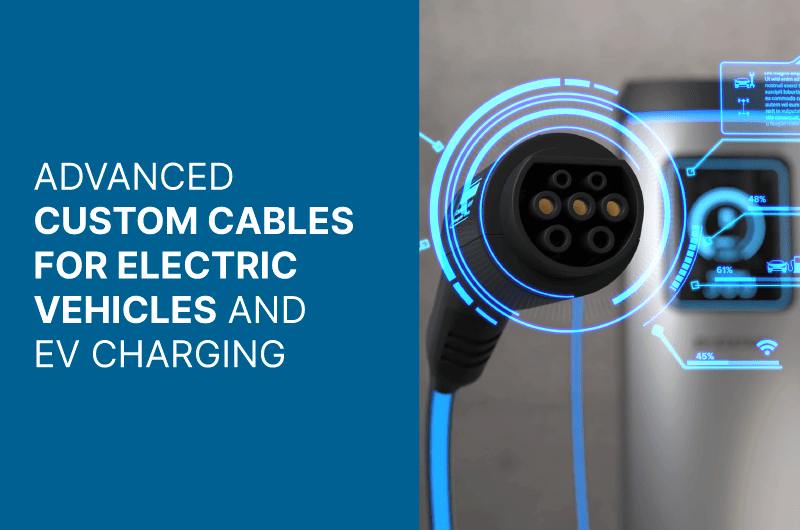
Custom cables for electric vehicles are essential for efficient and safe electric mobility. They play a vital role in high-power transmission, thermal management, and mechanical durability, ensuring compliance with international standards. EV charging cable solutions enhance performance and reliability at charging stations. These advanced cables are designed to meet the evolving demands of electric vehicles and provide a robust infrastructure for sustainable transportation.
The Role of Custom Cables for Electric Vehicles in Modern Mobility
Custom cables for electric vehicles play a pivotal role in the evolution of modern transportation. These specialized cables are designed to meet the unique demands of high-power transmission, ensuring that electric vehicles (EVs) operate efficiently and safely. Each vehicle has distinct requirements based on its powertrain and architecture, which is where custom solutions come into play.
The integration of these cables into electric mobility systems guarantees the alignment of performance with safety standards. High-performance cables are engineered to handle elevated current levels, allowing for rapid and efficient charging. In turn, this supports the growing need for charging infrastructure that can accommodate increasing EV adoption rates.
Thermal management is another critical aspect of custom cables. As high voltage flows through the cables, managing the heat generated is essential to prevent damage. With advanced materials and design techniques, customized cables help dissipate heat effectively, maintaining optimal functioning under various conditions.
- High Current Capacity: Custom cables are tailored to handle the substantial power demands of EVs, making them essential for fast charging scenarios.
- Durability: These cables are engineered to withstand harsh environments, ensuring longevity even in extreme conditions.
- Compliance: Custom cables adhere to international safety and performance standards, which is crucial for manufacturers in a global market.
Furthermore, the adaptability of these cables allows manufacturers to create solutions that align with specific vehicle models and charging systems. This customization not only enhances performance but also provides solutions tailored to individual user needs. As electric mobility continues to advance, the importance of custom cables manufactured for each application will only heighten.
This evolution reflects a broader shift in how mobility is perceived and implemented. As cities strive to transition towards greener alternatives, the reliance on efficient and effective infrastructure becomes paramount. Custom cables are essential components of this infrastructure, playing a critical role in the seamless operation of electric vehicles and the supporting charging networks.
Materials and Technologies Behind Custom Cables for Electric Vehicles
The development of custom cables for electric vehicles heavily relies on innovative materials and cutting-edge technologies. These components are essential to ensure that the cables not only meet performance expectations but also withstand the challenges presented by high voltage and varying environmental conditions.
A key material used in advanced custom cables is thermoplastic elastomer (TPE). TPE offers a superior combination of flexibility and durability, making it ideal for high-performance applications. This material can endure extreme temperatures and resist abrasion, thereby prolonging the lifespan of the cables.
Another critical material is polyamide (PA66), which provides excellent resistance to oil, fuel, and chemicals. This robustness is particularly beneficial in environments where cables may come into contact with these substances, ensuring reliability in various applications. Incorporating high-strength fiberglass into PA66 compounds enhances the overall toughness of the cables, further protecting sensitive electrical components.
- High thermal conductivity: Essential for managing heat during operation.
- Water resistance: Helps prevent moisture-related failures.
- UV stability: Protects against degradation from sunlight exposure.
The construction of custom cables involves utilizing advanced technologies such as Cable-in-Conduit (CIC) systems. This method combines power cables with conduit in a single, pre-assembled unit, drastically reducing installation time and minimizing potential damage during the setup process. Utilizing materials like high-density polyethylene (HDPE) enhances the overall integrity and longevity of the installation.
Additionally, manufacturers employ innovative manufacturing techniques, such as automated extrusion and braiding processes. These techniques ensure uniformity and precision in the cable’s construction, optimizing electrical performance and mechanical properties. The integration of smart technology can also be found in some custom cable designs, allowing real-time monitoring of performance parameters, which greatly contributes to improved safety and maintenance protocols.
Managing thermal performance through effective insulation is another high priority. With rising current demands in modern electric vehicles, maintaining the appropriate thermal environment is critical. Advanced insulating materials are designed to minimize heat generation and dissipate it efficiently, which not only extends the life of the cables but also enhances their efficiency in EV charging applications.
EV Charging Cable Solutions: Optimizing Performance and Safety
The significance of custom cables for electric vehicles extends into the realm of EV charging cable solutions, where optimizing both performance and safety is paramount. These cables facilitate the efficient transfer of electricity, while ensuring that safety standards are met to prevent hazardous situations. The integration of advanced materials and innovative technologies plays a crucial role in enhancing the functionality of these cables.
High-quality custom cables are designed to withstand the rigors of daily use. This includes the ability to handle high power loads, which is essential for quick charging capabilities. Cables must also endure various environmental conditions, making durability a key factor in their design. Utilizing materials such as PA66 fiberglass ensures resilience against extreme weather and mechanical wear, contributing to a longer lifespan for charging solutions.
- Thermal management capabilities help to stabilize the temperature during high-power transfer.
- Thick-walled designs reduce heat generation, improving energy efficiency throughout the charging process.
- Robust insulation protects against short circuits and electrical failures, promoting overall safety.
Furthermore, the implementation of rigorous testing methodologies ensures that these cables meet international safety standards. Compliance with electrical codes is critical for both manufacturers and consumers. Manufacturers are tasked with designing cables that not only perform well but also adhere to established regulations, ensuring safe operation in various settings.
EV charging cable solutions often incorporate features that enhance usability and safety. For example, connectors are engineered for easy handling and secure connections. The risk of accidental disconnection during charging is minimized, fostering peace of mind for users. Additionally, many of these solutions come equipped with indicators that show charging status, further optimizing the user experience.
- Ergonomic designs make it easier to connect and disconnect cables, reducing strain on users.
- Built-in safety mechanisms prevent overheating and potential fire hazards.
Overall, optimizing performance and safety in EV charging cable solutions is a multifaceted endeavor. It involves the careful selection of materials, adherence to safety regulations, and continuous innovation. The outcome is a robust infrastructure that supports the growing demand for electric vehicles while ensuring reliable and safe charging experiences.
Customization and Flexibility in EV Charging Cable Solutions
In the rapidly evolving landscape of electric vehicles, the demand for customized solutions in EV charging cable technology has become increasingly vital. Tailoring cables to meet specific requirements creates opportunities for manufacturers to enhance both functionality and performance. Custom cables for electric vehicles are designed to provide an optimal balance of efficiency, safety, and usability in various charging infrastructures.
Flexible design options allow manufacturers to adapt to unique environmental and operational challenges. Customization can include adjustments in the cable’s length, diameter, insulation material, and connector types, ensuring compatibility with diverse EV models and charging stations. This level of adaptability is essential in addressing the specific needs of different geographical regions and market demands.
- Length adjustments ensure convenience for various installation settings.
- Compatibility with existing charging infrastructure can be improved through tailored connectors.
- Insulation materials can be selected based on environmental conditions, enhancing durability and resistance to external factors.
By investing in specialized solutions, manufacturers not only respond to industry trends but also provide significant advantages. Customized cables facilitate quicker installations, reducing downtime and simplifying maintenance processes. Furthermore, the ability to produce cables that meet stringent regulatory standards safeguards both manufacturers and users from potential liabilities.
The emphasis on flexibility extends beyond product design. Manufacturers like Southwire utilize advanced technologies that enable rapid prototyping and testing of custom cables. This capability allows for quicker response times to changing market dynamics and customer requirements, ensuring that electric vehicle infrastructure remains progressive and responsive.
The increasing adoption of smart EV charging stations further amplifies the need for tailored cable solutions. These systems often require high-speed data transmission alongside power delivery, necessitating designs that integrate multiple functionalities into a single cable. Such innovations lead to streamlined installations and improved overall system performance.
Customization in EV charging cable solutions also plays a crucial role in sustainability initiatives within the industry. By optimizing materials and construction techniques, manufacturers can reduce waste and energy consumption associated with the production of generic cables. This commitment to environmental responsibility complements the broader shift toward greener practices in transportation.
In summary, the customization and flexibility of EV charging cable solutions are paramount for advancing electric vehicle technology. Emphasizing tailored approaches ensures not only compliance with evolving standards but also the development of reliable, efficient, and safe charging infrastructures essential for a successful electric future.
Challenges in Developing and Manufacturing Custom Cables for Electric Vehicles
The development and manufacturing of custom cables for electric vehicles face several substantial challenges that must be addressed to ensure the effectiveness and reliability of the end products. These challenges stem from the complexity of high-performance requirements coupled with the evolving standards in the electric vehicle industry.
- Regulatory Compliance
Adhering to strict regulations is a primary concern for manufacturers. As the EV market grows, so do the regulatory frameworks that dictate safety, performance, and environmental standards. Compliance with these regulations often requires continuous updates in cable design and materials, leading to increased costs and longer development times. - Material Selection
The choice of materials is vital for the functionality and durability of custom cables for electric vehicles. Manufacturers must select materials that can withstand extreme temperatures, moisture, and mechanical stress. Advanced materials that are lightweight yet robust are frequently required, complicating the manufacturing process and supply chain logistics. - Integration with Complex Systems
Modern electric vehicles incorporate advanced technologies that rely on sophisticated cabling systems. The challenge lies in integrating custom cables into these systems without compromising performance. This integration often requires a deep understanding of both electrical engineering and automotive design principles. - Production Scalability
As demand for electric vehicles increases, manufacturers face challenges in scaling production while maintaining quality. Custom cables must be produced in larger volumes without sacrificing the tailored features that meet specific client requirements. Balancing customization with mass production is a significant hurdle to overcome. - Quality Assurance
Ensuring the quality of custom cables is essential, particularly given the safety risks associated with electrical systems. Rigorous testing protocols must be established to verify the performance of cables under real-world conditions. This process can be time-consuming and requires specialized equipment and expertise.
In summary, the journey from concept to production for custom cables for electric vehicles is fraught with challenges. Addressing these issues demands innovative strategies, collaboration among industry stakeholders, and a commitment to continuous improvement in design and manufacturing processes.
Environmental Impact and Sustainability of EV Charging Infrastructure
The rise of electric vehicles (EVs) has ushered in a new era focused on sustainability, transforming the automotive landscape. Central to this transformation is the necessity for eco-friendly practices in the production and implementation of charging infrastructure, including custom cables for electric vehicles. These cables must not only support high-performance standards but also adhere to stringent environmental regulations.
Manufacturers are increasingly adopting sustainable materials and processes to reduce the ecological footprint of EV charging solutions. The selection of materials that are recyclable or sourced from renewable resources is gaining traction, ensuring that the lifecycle of EV charging infrastructure minimizes harm to the environment. Common efforts in this area include:
- Utilization of biodegradable materials in cable insulation and sheathing.
- Incorporation of recycled metals in the manufacturing of cable conductors.
- Adoption of energy-efficient production techniques to lower carbon emissions.
Furthermore, companies are implementing practices that enhance energy efficiency throughout the supply chain. The development of custom cables tailored for specific applications goes hand in hand with reducing waste and improving the overall sustainability of EV charging stations. By designing cables that meet precise requirements, manufacturers contribute to:
- Minimizing excess material usage during production.
- Reducing logistical emissions associated with transportation.
- Enhancing the durability and lifespan of products, which decreases the frequency of replacements.
Another vital aspect of sustainability is the integration of renewable energy sources in charging infrastructure. By coupling EV charging stations with solar panels or wind energy systems, it is possible to create a charging ecosystem that operates with minimal environmental impact. Custom cables designed for these systems must be able to handle varied power input while maintaining efficiency. This connection not only supports a green energy approach but also fosters community interest in sustainable practices.
In addressing the environmental impact, stakeholders are increasingly focusing on transparency and accountability. Environmental Product Declarations (EPDs) are becoming a standard practice for manufacturers to provide consumers and other stakeholders with detailed information regarding the environmental impact of their products, including custom cables for electric vehicles. This practice enhances trust and encourages the adoption of sustainable solutions across the industry.
As the infrastructure for EV charging expands, the need for responsible production methods and materials will continue to grow. The sustainability focus not only serves the environment but also strengthens the market appeal of companies committed to green practices, reflecting a proactive approach to future challenges.
Future Trends and Innovations in Custom Cables for Electric Vehicles
The landscape of custom cables for electric vehicles is evolving rapidly, driven by technological advancements and growing demands for efficiency. As the electric vehicle (EV) market expands, innovations in cable design and materials are becoming essential to meet the rigorous requirements of modern mobility. This evolution emphasizes not only performance but also safety and environmental sustainability.
One of the significant trends is the integration of smart technologies within custom cables. These cables can now come equipped with sensors that monitor various parameters such as temperature and electrical load. Such capabilities provide real-time data that can help in predictive maintenance and improve system reliability. The future of EV charging will likely include these intelligent cable solutions, allowing for more efficient energy management.
- Development of energy-efficient materials that reduce power loss.
- Incorporation of self-diagnostics to inform users about cable health.
- Advancements in thermal management technologies to improve heat dissipation.
Another important innovation is the shift towards advanced materials. Manufacturers are exploring high-performance polymers and composites that offer greater flexibility and resistance to environmental stressors. This will enhance the longevity and durability of custom cables for electric vehicles, allowing them to withstand more extreme conditions. Furthermore, these materials can be lighter, contributing to the overall weight reduction of EVs, which is crucial for enhancing battery efficiency.
As charging infrastructure expands, the demand for EV charging cable solutions that can accommodate high-power charging stations is on the rise. It is anticipated that future designs will support ultra-fast charging capabilities, significantly reducing the time it takes to charge an EV. These innovations could revolutionize the user experience, making electric vehicles more appealing to a broader audience.
- Ultra-fast charging capabilities to reduce downtime.
- Enhanced compatibility with diverse charging systems.
- Modular design approaches for easier upgrades and repairs.
Sustainability remains a critical focus area. Innovations will likely emphasize eco-friendly manufacturing processes and recyclable materials. Companies that adopt life-cycle assessments for their custom cables can minimize environmental impact while promoting sustainability in the EV sector. This approach not only meets regulatory requirements but also aligns with the growing consumer demand for environmentally conscious products.
In conclusion, the future of custom cables for electric vehicles is marked by innovative technologies aimed at improving performance, safety, and sustainability. As developments continue, these advancements will play a vital role in shaping the infrastructure that supports the electric mobility revolution.
If you would like to receive a quote for any of custom cables or connectors, please do not hesitate to contact us by sending an email to sales@readytogocables.com or calling in the USA this phone number (682-325-1944).