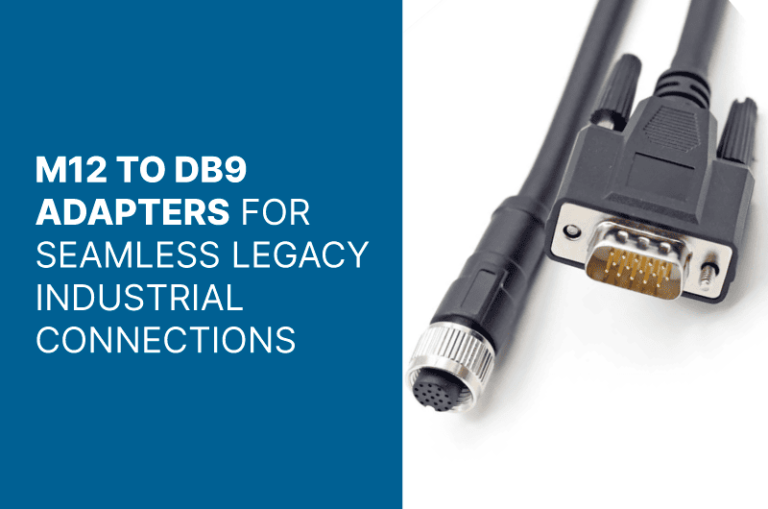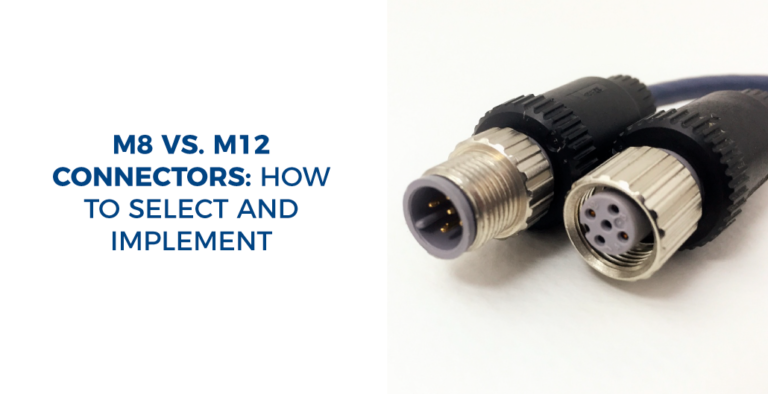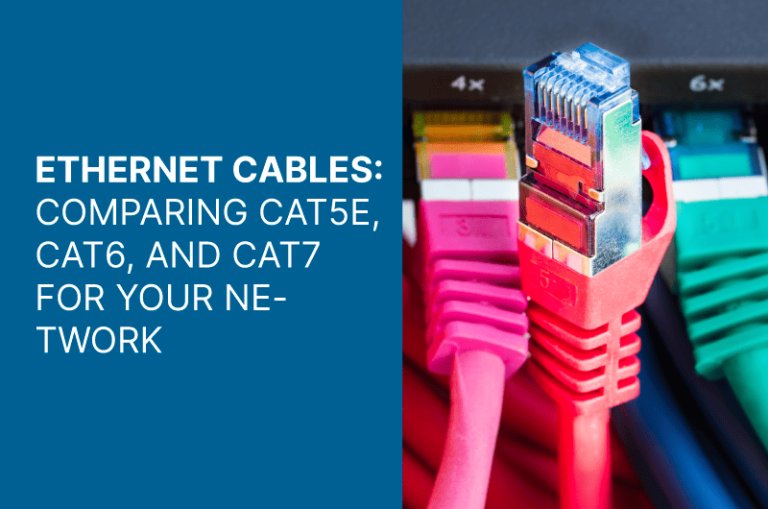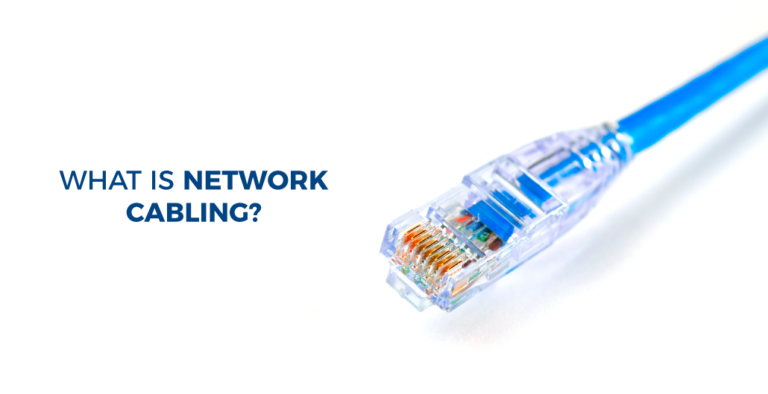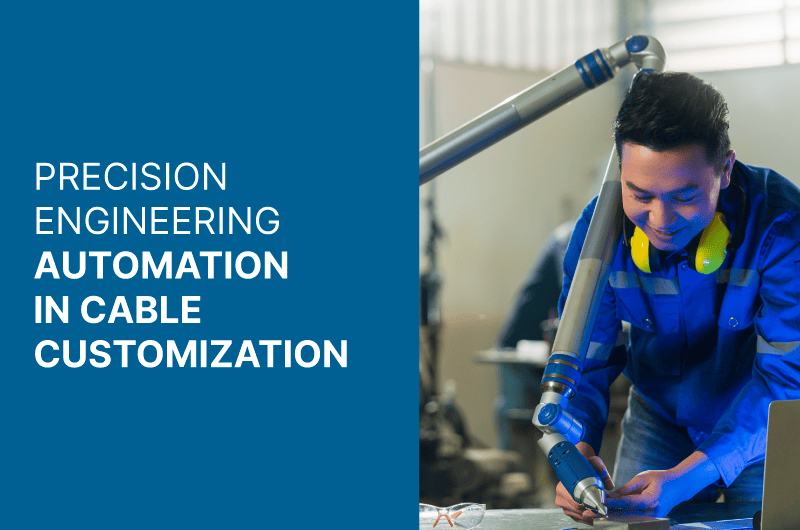
Automation in cable customization plays a crucial role in ensuring precision and consistency for various industries. This process integrates advanced engineering techniques to meet specific requirements and enhance the performance of cable assemblies. As industries evolve, tailored solutions become essential for addressing unique applications. The combination of automation and advanced engineering is driving innovation and improving manufacturing processes in cable customization.
The Role of Automation in Cable Customization
Automation plays a pivotal role in achieving high precision and consistency within the realm of cable customization. By integrating advanced technologies into the manufacturing process, companies can streamline operations, reduce human error, and enhance the overall quality of custom cable solutions. The shift towards automation allows for rapid production pacing, thereby meeting the escalating demands of various industries.
Advanced software and robotics are at the forefront of this transformation. These systems are capable of executing complex tasks with unwavering accuracy. Key benefits of automation in cable customization include:
- Increased efficiency in production timelines.
- Improved accuracy in design replication.
- Reduction of waste materials through precise cutting and assembly.
- Consistent quality control processes, ensuring each product meets crucial specifications.
Furthermore, automation enables manufacturers to adapt swiftly to evolving market needs. Customized orders can be processed with minimal delays, catering to unique client specifications without sacrificing quality. This revolutionary approach not only maximizes productivity but also enhances customer satisfaction by providing tailored solutions rapidly.
The interplay between automation and advanced engineering methodologies creates a robust foundation for achieving innovations in cable customization. With the continuous advancements in technology, it is expected that automation will further refine the processes involved, driving significant improvements in both performance and reliability of custom cable assemblies.
Advanced Engineering Techniques in Designing Custom Cable Assemblies
In the modern landscape of cable customization, advanced engineering techniques play a crucial role in the design and development of custom cable assemblies. Engineers leverage innovative design strategies to ensure that cables meet the specific requirements of diverse industrial applications. This includes careful consideration of materials, insulation, and connector types to enhance performance and durability.
Several key techniques drive the design of custom cables:
- Computer-Aided Design (CAD) tools allow for precise visualization and modification of cable assemblies. These tools enable engineers to create complex geometries and run simulations that predict electrical performance and mechanical reliability.
- Finite Element Analysis (FEA) is used to analyze how cables respond to various physical forces. This technique aids in identifying potential points of failure and optimizing designs for enhanced robustness.
- Utilization of rapid prototyping techniques ensures that prototypes can be created quickly and efficiently. This iterative process allows for real-time testing and adjustments before full-scale production.
- Integration of smart technologies within cable assemblies enhances functionality. Engineers can embed sensors that provide data regarding temperature, pressure, or load, facilitating better monitoring and maintenance practices.
By employing these advanced engineering techniques, manufacturers can achieve higher levels of precision in their cable designs. The result is a tailored solution that addresses specific challenges faced within various sectors, such as automation, healthcare, and energy. As the demand for specialized cables grows, these techniques will remain vital for innovation and quality assurance in cable customization.
Tailored Solutions for Industry-Specific Cable Applications
The demand for customized cable solutions is increasing across various sectors, driven by the unique requirements of each industry. Developing tailored cables enhances performance and reliability, ensuring that they meet rigorous industry standards.
In automation, these specialized cables must withstand challenging conditions and meet specific operational needs. Various industries have distinct requirements that necessitate the development of cables designed for particular applications, including:
- Industrial Automation: Cables designed for automation systems must provide high flexibility and durability. They are engineered to endure repeated bending and extreme environmental conditions without compromising signal integrity.
- Medical Devices: Custom cables in the medical sector are crafted to ensure safety and compliance with stringent regulations. These cables often require sterilization and must maintain precise signal transmission for diagnostics and monitoring.
- Aerospace and Defense: Aerospace applications demand lightweight and exceptionally robust cables. These cables must function flawlessly under extreme temperatures and mechanical stress to support critical systems.
- Renewable Energy: In renewable energy systems, cables need to be resilient against weather conditions while efficiently transmitting power. Customized solutions ensure long-lasting performance in solar and wind applications.
Each of these sectors fosters innovation through the rigorous testing and approval processes necessary for safe operation. By focusing on specific industry needs, manufacturers can create cables that deliver unparalleled performance and longevity.
The collaboration between engineers and industry stakeholders plays a pivotal role in advancing these tailored solutions, integrating feedback and utilizing advancements in materials and technology. This focus on tailored solutions ultimately leads to improvements in operational efficiency and system reliability, setting a new standard in cable applications.
Advanced Manufacturing and Testing Processes for Custom Cables
Manufacturing custom cables involves a series of sophisticated processes designed to ensure precision and reliability. Automation plays a pivotal role at this stage, streamlining production methods and enhancing overall efficiency. The integration of robotics and automated machinery allows for consistent quality and minimizes the risk of human error during assembly.
The manufacturing process typically begins with the initial design and prototyping phase. Engineers utilize advanced engineering software for rapid prototyping, which aids in visualizing and refining designs. This phase is crucial for addressing specific requirements and adapting to varying industrial standards.
- Cutting and Stripping: Automated machines accurately cut cables to specified lengths, followed by precise stripping of insulation to prepare for termination.
- Assembly: Automated assembly lines facilitate the rapid integration of connectors and components, ensuring each unit maintains strict adherence to design specifications.
- Quality Control: Each manufactured cable undergoes rigorous quality inspections through automated testing systems. These systems check for electrical integrity, mechanical strength, and compliance with international standards.
Testing processes are critical in maintaining the reliability of custom cables. Multi-stage testing ensures that every cable meets its specifications and performs optimally under various conditions. Some tests include:
- Tensile Testing: Evaluates the cable’s ability to withstand pulling forces without failure.
- Environmental Testing: Assesses how cables perform under extreme temperatures and humidity, simulating real-world conditions.
- Electrical Testing: Ensures that signal transmission remains stable and free from interference.
By utilizing automation in cable customization, manufacturers not only achieve efficiency but also enhance product performance and durability. This commitment to advanced manufacturing processes ultimately leads to the development of high-quality, customized cable solutions tailored for a wide array of applications.
Collaborative Innovation Driving the Future of Cable Customization
The future of cable customization relies heavily on collaborative innovation between industry experts and academic institutions. This partnership fosters a rich environment where new ideas and technologies can flourish. By working together, engineers and researchers can push the boundaries of what’s possible in cable design and manufacturing.
Various areas are being developed through these collaborative efforts, including:
- Research initiatives that combine resources and knowledge from both sectors, leading to breakthroughs in performance and reliability.
- Joint development programs focused on creating advanced materials that enhance the durability and efficacy of custom cables.
- Shared access to testing facilities and laboratories, enabling rigorous evaluation and validation of new designs before market introduction.
Integrating perspectives from academia brings innovative methodologies to enhance automation in cable customization. New engineering techniques, like machine learning and artificial intelligence, are increasingly being incorporated to streamline design processes and optimize manufacturing workflows.
Furthermore, collaborative innovation also addresses industry challenges, such as sustainability and efficiency. By pooling knowledge, stakeholders can develop eco-friendly materials and processes that minimize waste while maintaining high performance standards.
As industries continue to advance, this teamwork will serve as a catalyst for new standards in cable customization that better meet the specific demands of various applications. Emphasizing collaboration will facilitate a faster pace of innovation and propel the entire sector forward.
If you would like to receive a quote for any of custom cables or connectors, please do not hesitate to contact us by sending an email to sales@readytogocables.com or calling in the USA this phone number (682-325-1944).