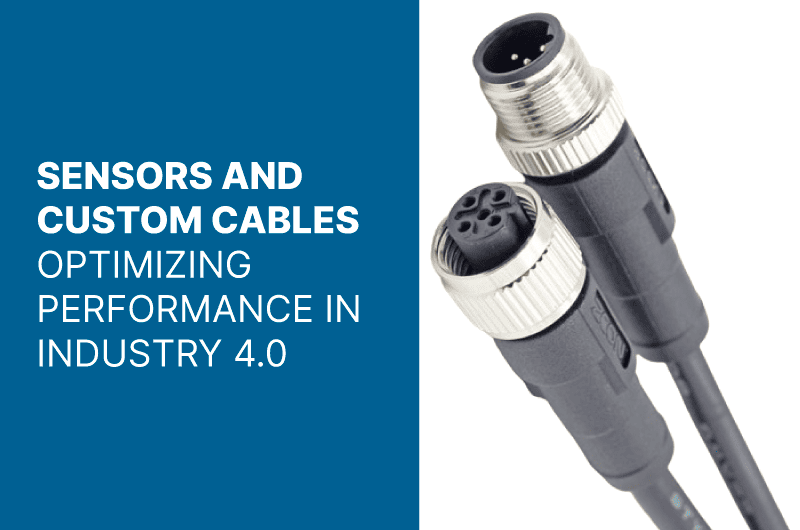
Sensors and custom cables play a crucial role in optimizing performance within industry 4.0. They enable real-time data collection and improve automation efficiency across manufacturing processes. These technologies help ensure reliable communication and enhance operational effectiveness. As industries evolve, the integration of advanced sensors and tailored cabling solutions has become essential. This combination facilitates better connectivity, smarter decision-making, and improved quality in production settings.
The Role of Sensors in Smart Manufacturing
Sensors play a vital role in the advancement of smart manufacturing, facilitating automation and efficiency in production processes. By enabling real-time monitoring and data collection, these devices contribute significantly to operational optimization and decision-making in industrial settings.
Importance of IoT Sensors
The rise of the Internet of Things (IoT) has revolutionized the way manufacturing plants operate. IoT sensors are essential for achieving a fully connected environment where equipment, products, and systems communicate seamlessly. The significance of these sensors includes:
- Real-Time Monitoring: IoT sensors allow for continuous tracking of machine performance, operational conditions, and production outputs.
- Data-Driven Decision Making: Access to real-time data enables manufacturers to make informed decisions, optimizing processes and resource allocation.
- Predictive Maintenance: By monitoring equipment conditions, IoT sensors facilitate maintenance before failures occur, minimizing downtime and enhancing productivity.
Types of Industrial Sensors
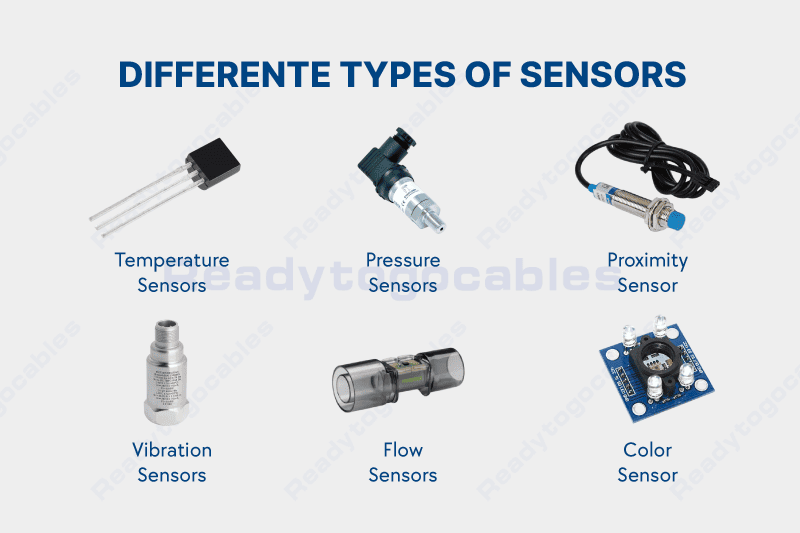
A variety of sensors are utilized in smart manufacturing, each serving unique purposes according to specific operational needs. Common types include:
- Temperature Sensors: Used to monitor and control thermal conditions in machinery and production processes.
- Pressure Sensors: Essential for tracking fluid dynamics within systems to prevent failures in hydraulic and pneumatic applications.
- Vibration Sensors: Employed in predictive maintenance programs to detect anomalies in rotating equipment, allowing early intervention.
- Proximity Sensors: Facilitate automation by detecting the presence of objects, guiding machinery, and managing assembly lines.
- Flow Sensors: Critical for measuring and controlling fluid movement, vital in many manufacturing processes.
Data Collection and Analysis
Data collected from sensors forms the backbone of smart manufacturing strategies. The ability to gather, analyze, and act on data is crucial for improving operations. Key aspects include:
- Integration with Data Systems: Sensors feed data into centralized systems for aggregation and analysis, enabling comprehensive oversight of production activities.
- Analytics for Optimization: Advanced data analytics tools process sensor data to identify trends, inefficiencies, and opportunities for improvement.
- Actionable Insights: Analyzing data allows manufacturers to develop targeted strategies to enhance quality control, decrease waste, and increase overall productivity.
Custom Cables in Industry 4.0
Custom cables play a critical role in enhancing the operational effectiveness of modern industrial environments. Their tailored designs ensure seamless communication and reliable data transmission, which are essential for advanced manufacturing processes.
Types of Custom Cables
Various types of custom cables can be implemented in Industry 4.0 environments, each designed to meet specific operational needs and environments.
- Low Voltage Cables
These cables are used primarily for applications where the energy demands are not excessive. They provide essential connectivity for data and power transmission in less demanding environments. - Medium and High Voltage Cables
Medium and high voltage cables are critical for supplying power to heavy machinery. They are designed to handle larger loads and ensure that equipment operates efficiently and safely. - Data Communication Cables
In the context of Industry 4.0, data communication cables are paramount. They allow for fast data transfer necessary for real-time analytics and operational adjustments. - Specialized Cables
Specialty cables, such as arctic or chemical-resistant cables, are vital in extreme environments like mining or oil extraction. These cables are engineered to withstand adverse conditions while maintaining performance.
Benefits of Custom Cable Solutions
Implementing custom cable solutions offers significant advantages in industrial applications.
- Tailored Configurations
Custom cables can be designed to integrate multiple functionalities, reducing the need for different types of cabling systems and minimizing complexity. - Space Optimization
In many manufacturing settings, space is at a premium. Custom cables can be designed to be more compact, allowing for better use of available space and reducing clutter. - Enhanced Durability
Custom solutions often incorporate materials that are tailored to specific environmental conditions. This increases the reliability of the cable and reduces the frequency of replacements, leading to lower maintenance costs.
Enhancing Connectivity with Customized Solutions
Customized cables improve connectivity by ensuring that each component of an industrial system can communicate effectively.
- Seamless Integration
Custom cables promote seamless integration between sensors, machinery, and data systems. This interoperability is essential for the functionality of automated processes. - Reduced Interference
By utilizing advanced shielding and tailored designs, custom cables can minimize signal interference, ensuring that data transmission remains stable and secure. - Support for High-Speed Communication
With the rise of IoT devices, the ability to transmit data at high speeds is increasingly important. Custom cables can be engineered to support the bandwidth requirements necessary for modern industrial needs.
Optimizing Performance in Industrial Automation
Modern industrial automation relies heavily on the integration of advanced technologies. The effective use of sensors and custom cables plays a critical role in enhancing operational efficiency.
Real-time Data and Decentralized Decision Making
The ability to collect and analyze real-time data empowers manufacturers to make informed decisions rapidly. Data from IoT sensors provides insights into various operational parameters such as temperature, pressure, and system performance.
Decentralized decision making shifts the focus from centralized control to localized responses. This approach enables individual machines or production lines to operate autonomously based on real-time data, leading to:
- Faster response times to operational anomalies.
- Improved resource allocation.
- Enhanced flexibility in production processes.
Automation and Robotics Integration
With the adoption of automation and robotics, factories have moved towards more streamlined operations. Integrating sensors and custom cables is vital in this transition, as they are essential for communication between various robotic systems and centralized control units.
Key advantages include:
- Increased precision in manufacturing tasks.
- Reduced labor costs through automation.
- Enhanced productivity via robotic systems that work alongside human operators.
Moreover, automation technology leverages AI and machine learning algorithms to continually improve processes, which allows for:
- Self-optimization of operational parameters.
- Predictive maintenance schedules that minimize downtime.
Improving Quality Control
Implementing a robust quality control system is crucial for maintaining product standards in an automated environment. Sensors assist in monitoring production quality by detecting defects at various stages of the manufacturing process.
Information gathered from these sensors facilitates:
- Immediate correction of faults before products proceed down the line.
- Data-driven analysis to identify trends and root causes of quality issues.
By integrating custom cables to enhance communication between quality control systems and manufacturing equipment, organizations can ensure:
- Consistent data transfer without interruptions.
- A higher level of synchronization between quality checks and production schedules.
These advancements contribute significantly to a more efficient and reliable manufacturing process, reducing waste and increasing customer satisfaction over time.
Overcoming Challenges in Implementation
Implementing advanced sensor systems and custom cable solutions presents several challenges that organizations must address to realize their full potential. By understanding these barriers, businesses can develop effective strategies to navigate the complexities of modern industrial environments.
Addressing High Initial Costs
One of the most significant hurdles in adopting new technologies is the high initial investment required. The costs associated with acquiring advanced sensors, customized cabling, and the integration of these systems can be substantial. Organizations should consider the following strategies to mitigate these financial barriers:
- Phased Implementation: Gradually implementing new systems allows for manageable expenditures over time, enabling companies to adjust their budgets accordingly.
- Leasing Equipment: Instead of purchasing equipment outright, companies may opt to lease sensors and cables to reduce upfront costs.
- Government Grants and Incentives: Investigating available financial assistance can help defray costs. Many governments offer programs to support technological advancements in manufacturing.
Ensuring System Compatibility
Integration of new technologies into existing infrastructures can present compatibility issues. Ensuring that new sensors and custom cables work seamlessly with current systems is crucial for operational efficiency. Companies can take proactive steps to address these concerns:
- Conducting Compatibility Assessments: Before acquiring new technology, conducting thorough assessments of existing systems can identify potential integration challenges.
- Choosing Standardized Solutions: Opting for sensors and cables that adhere to industry standards helps facilitate interoperability between different devices and systems.
- Engaging with Vendors: Collaborating with technology providers can ensure that products are compatible and simplify the integration process. Vendors often have valuable insights into overcoming compatibility challenges.
Cybersecurity Considerations
As systems become more interconnected, cybersecurity emerges as a vital concern. The increased reliance on data transmission makes industrial environments more susceptible to cyber threats. Companies must adopt comprehensive cybersecurity measures to protect their infrastructures:
- Implementing Strong Authentication Protocols: Ensuring that only authorized personnel can access critical systems minimizes the risk of unauthorized breaches.
- Conducting Regular Security Audits: Regular assessments help identify and rectify vulnerabilities within the system, maintaining robust security practices.
- Training Employees: Providing cybersecurity training for employees fosters a security-aware culture, equipping staff to recognize and respond to potential threats.
Future Trends in Sensors and Custom Cables
The evolution of sensors and custom cables is paving the way for significant advancements in manufacturing and industrial processes. Understanding these trends is crucial for companies looking to stay competitive and efficient.
Advances in High-Speed Data Transmission
As industries move towards greater connectivity, the need for faster data transmission becomes paramount. Advances in technology are leading to developments such as:
- Fiber Optic Solutions
Fiber optic cables enable incredibly high data rates and reduced latency, making them essential for real-time data processing applications. Their ability to carry large volumes of information over long distances without signal degradation is revolutionizing industrial communication. - Wireless Technologies
With the rise of wireless communication standards like 5G, sensors can communicate data instantaneously without the limitations of physical cabling. This trend enhances flexibility and reduces installation complexity.
Innovations in Cable Materials and Design
Enhanced cable materials are being developed to meet the rigorous demands of modern industrial environments. Important trends include:
- Durable Materials
New composite materials are designed to withstand extreme temperatures, corrosive environments, and mechanical stress. These innovations increase the longevity of custom cables in challenging settings, such as manufacturing, oil, and gas industries. - Lightweight Designs
As manufacturing systems become more automated with robotic applications, lighter cables can reduce strain on machinery. This helps in maintaining the integrity of moving components while improving installation efficiency.
The Growing Role of AI and Big Data
Artificial Intelligence (AI) and Big Data are becoming integral in processing and analyzing the vast amounts of information collected by sensors. Trends include:
- Predictive Analytics
AI algorithms can analyze data from sensors in real-time to predict equipment failures and maintenance needs. This proactive approach not only minimizes downtime but also optimizes maintenance schedules, leading to cost savings. - Enhanced Decision-Making
Big Data allows for deeper insights into operational efficiency. Companies can leverage this information to make informed decisions, optimizing production processes and resource allocation.
Practical Applications and Case Studies
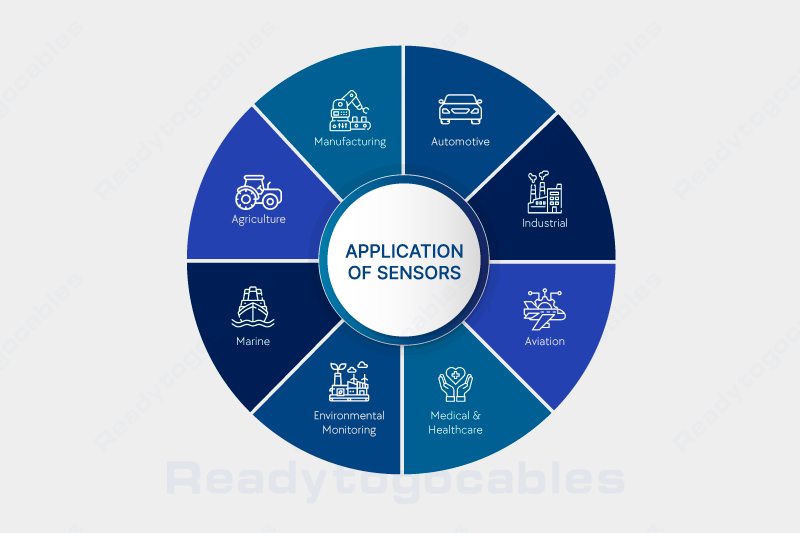
This section delves into the real-world applications of sensors and custom cables in optimizing industrial processes. By examining smart factories and their connected systems, we can gain insights into successful implementations and the lessons learned through practical experiences.
Smart Factories and Connected Systems
Smart factories exemplify the convergence of advanced technologies and traditional manufacturing. Utilizing sensors and custom cables, these facilities can achieve remarkable operational efficiency and productivity. Key characteristics of smart factories include:
- Real-time monitoring of machinery and processes through IoT sensors.
- Seamless communication enabled by custom cables, facilitating data flow across various systems.
- Automated processes that adapt quickly to changing conditions in production lines.
These factories are designed with an interconnected approach, enabling various components to share data seamlessly. For instance, the integration of vibration sensors can help in predictive maintenance, reducing downtime significantly.
The Manufacturing Sector’s Success Stories
Numerous companies have demonstrated significant benefits by implementing sensors and custom cables effectively. Notable success stories include:
- A leading automotive manufacturer that adopted custom cable solutions, enhancing the speed of data transmission between assembly line robots. This resulted in a 20% increase in production efficiency.
- A food processing plant that deployed temperature and humidity sensors throughout its facilities. This implementation improved quality control and ensured compliance with health standards, reducing product waste by 15%.
- An electronics manufacturer that utilized comprehensive sensor networks in its assembly processes. This allowed for real-time feedback on equipment performance, leading to a quick response to any anomalies detected.
These examples underscore the transformative potential of integrating advanced sensor technologies and tailored cabling solutions within industrial settings.
Lessons Learned and Best Practices
As industries continue to adopt these technologies, several insights have emerged to guide future implementations:
- Prioritize compatibility: Ensure that sensors and custom cables are compatible with existing systems to facilitate smooth integration.
- Emphasize training: Educating the workforce on using new technologies leads to a more effective transition and maximizes the potential benefits.
- Focus on scalability: Design systems with an eye toward future growth, allowing for easy integration of additional sensors and cables as production needs evolve.
- Invest in cybersecurity: As connectivity increases, safeguarding against potential cyber threats must be a top priority to protect sensitive data and maintain operational integrity.
By applying these lessons, organizations can better navigate the complexities of modern manufacturing and enhance their operational capabilities. Each experience provides valuable insights that contribute to ongoing improvements in industrial automation.
If you would like to receive a quote for any of custom cables or connectors, please do not hesitate to contact us by sending an email to sales@readytogocables.com or calling in the USA this phone number (682-325-1944).