Custom cable solutions play a critical role in the evolving landscape of automation. They facilitate high-speed data transfer essential for the efficient operation of modern industrial systems. As industries adapt to new technologies, the demand for tailored cable solutions increases. These cables address specific application requirements, ensuring reliable connectivity in diverse environments.
The Role of Custom Cable Solutions in Modern Automation
As industries integrate automation technologies, custom cable solutions play a critical role in optimizing data transfer and connectivity. These specialized cables ensure that systems operate seamlessly and effectively in a range of applications.
Importance of High-Speed Data Transfer
The efficiency of modern automation systems heavily relies on the quick and reliable transfer of data. High-speed data transfer is crucial for several reasons:
- Minimizes latency and improves response times for automated processes.
- Enables real-time monitoring and feedback, which are essential for dynamic operations.
- Facilitates the integration of various devices, allowing for coordinated actions across systems.
- Supports advanced technologies such as IoT, requiring robust data paths to function optimally.
Without high-speed data transfer, automation systems would experience delays and inefficiencies, undermining their potential benefits. Therefore, the development of custom cable solutions tailored to high-speed requirements is critical for achieving desired operational outcomes.
Evolving Needs in Industrial Automation
As industries advance, their needs evolve, driven by technological innovations and changing operational demands. The landscape of automation continuously transforms, making it imperative for cable solutions to adapt. Key areas of evolution include:
- Increased Data Volume: Automation systems are now generating and handling larger volumes of data, necessitating cables that can support higher bandwidths.
- Integration of Diverse Technologies: The convergence of different communication protocols and technologies requires versatile cables that can accommodate various data types.
- Environmental Adaptability: Industries face challenging environments, from extreme temperatures to exposure to chemicals. Custom cable solutions must be designed to withstand these conditions.
- Enhanced Security Measures: As systems become more interconnected, the risk of data breaches rises. Custom cables should integrate features that enhance data security during transmission.
The evolution of automation demands not only adaptability but also innovation in cable design and functionality. This continual progression emphasizes the need for customized solutions capable of meeting specific requirements while ensuring reliability and performance.
Designing Custom Cable Solutions
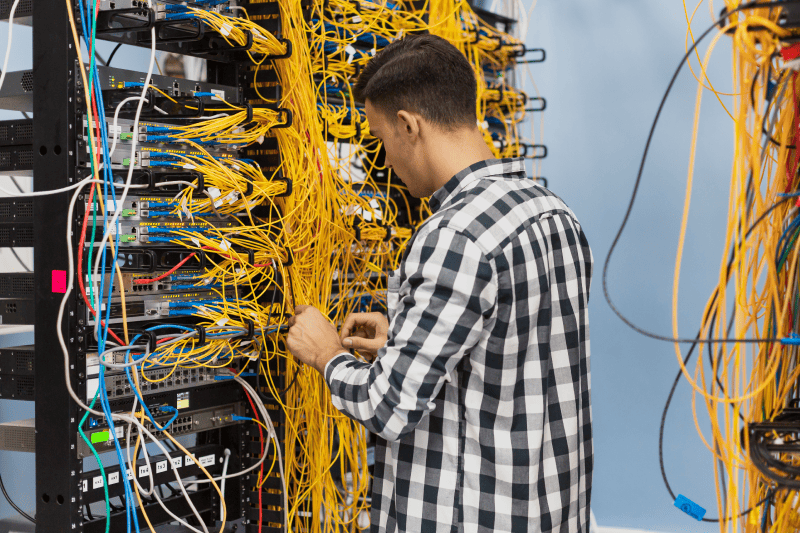
Creating effective custom cable solutions requires a precise understanding of diverse factors. Key considerations include application-specific requirements, integration of power and data transmission, as well as environmental and thermal conditions.
Understanding Specific Application Requirements
Every application presents unique challenges that drive the design of custom cables. Gathering detailed requirements is essential for the successful development of a cable solution. Important factors to consider include:
- Data Transmission Needs: The type and amount of data that needs to be transferred will guide the selection of cable types.
- Distance: Longer distances may require specific materials and designs to ensure signal integrity.
- Installation Environment: The conditions in which the cables will operate can dictate material and design choices.
By thoroughly analyzing application requirements, designers can optimize the performance of custom cable solutions. This ensures they meet or exceed the standards necessary for high-speed data transfer.
Integrating Power and Data Transfer
Combining power and data transmission within a single cable assembly has become increasingly important in automation environments. Hybrid cables facilitate this integration, allowing for efficient operation and reduced installation complexity. The following aspects are crucial:
- Conductors: Selecting appropriate conductor materials that can handle both power and data transfer effectively.
- Shielding: Ensuring that the cable includes shielding to minimize electromagnetic interference (EMI) between power and data lines.
- Connector Compatibility: Using connectors that support both power and data connections can enhance system efficiency and simplify maintenance.
This integrated approach not only simplifies installations but also enhances overall system resilience and functionality.
Thermal and Environmental Considerations
Temperature fluctuations and environmental conditions can significantly impact cable performance. When designing custom cable solutions, it is imperative to account for:
- Temperature Range: Understanding the operational temperature range helps determine appropriate materials and cable designs.
- Moisture Resistance: Cables may need to be resistant to water or humidity, particularly in outdoor or industrial settings.
- Chemical Exposure: In some environments, cables might encounter corrosive substances, necessitating the use of specialized coatings or materials.
By addressing these thermal and environmental factors, manufacturers can ensure that custom cables maintain performance and durability throughout their service life. Significantly, proper consideration leads to solutions that are not only effective but also reliable under challenging operating conditions.
Types of Custom Cable Solutions
Custom cable solutions come in various types designed to meet specific needs in automation for high-speed data transfer. Each type is engineered for distinct applications, addressing requirements such as flexibility, environmental conditions, and interference concerns.
Hybrid Cables
Hybrid cables combine different functionalities to serve multiple needs in a single solution. These cables are particularly beneficial in environments where power and data need to be transmitted simultaneously.
Combining Power and Data
In many industrial applications, the ability to integrate power and data in a single cable can greatly enhance efficiency. Hybrid cables often incorporate power conductors alongside data transmission lines, such as Ethernet or fiber optic cables. This multifaceted approach not only reduces installation complexity but also optimizes space and simplifies maintenance.
Addressing EMI Concerns
Electromagnetic interference (EMI) can significantly disrupt data integrity in cable systems. Hybrid cables can be engineered with shielding to protect against EMI, ensuring reliable communication even in environments with potential electrical noise. This capability is essential in sectors like manufacturing and telecommunications, where operational precision is critical.
Flexible and Flat Cables
Flexible and flat cable designs are imperative for applications requiring mobility, such as robotics. These cables are engineered to withstand bending and twisting while maintaining signal integrity.
Applications in Robotics
In robotic applications, where components need to move continuously, flexible cables are indispensable. They can be routed in ways that traditional circular cables cannot, allowing for smoother operation and longer lifespan in dynamic environments. Their lightweight construction is an added advantage, facilitating the mobility of robotic structures.
Advantages of Flex Cables
Flex cables provide several advantages, including:
- Reduced strain on connections due to increased flexibility.
- Enhanced durability under various environmental conditions.
- Ease of installation in confined spaces without compromising performance.
Shielded and Coaxial Cables
Shielded and coaxial cables are designed to handle high-frequency signals and protect data integrity. These cables are essential in industries where reliable communication is paramount.
Protection from Electromagnetic Interference
Shielded cables utilize materials that block external interference, safeguarding sensitive signals from EMI and RFI. The shielding can come in various forms, such as braided, foil, or a combination of both, tailored to the specific challenges of the application.
High-Frequency Signal Applications
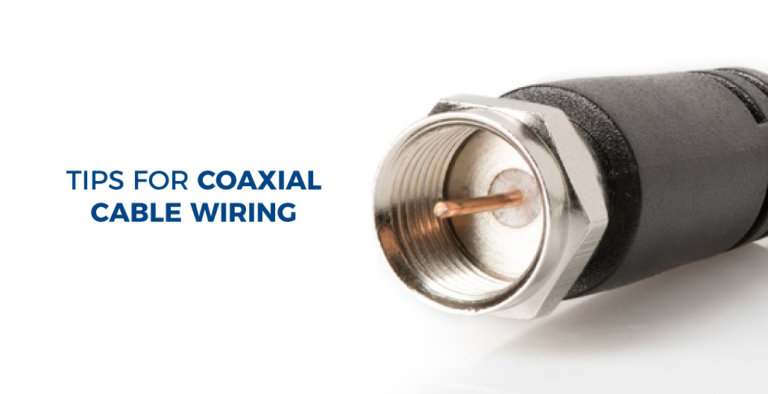
Coaxial cables, with their unique construction of a central conductor surrounded by insulation and then a conductive shield, are ideal for high-frequency signal transmission. These cables are prevalent in telecommunications and video applications, where maintaining signal quality over distance is crucial. The design minimizes signal loss and ensures maximum efficiency, making them indispensable in modern networking. Their durability and reliability make them suitable for demanding industrial environments.
Ensuring optimal performance in custom cable solutions requires essential components and accessories. These elements enhance functionality, reliability, and durability, supporting high-speed data transfer in various automation applications.
Components and Accessories for Enhanced Performance
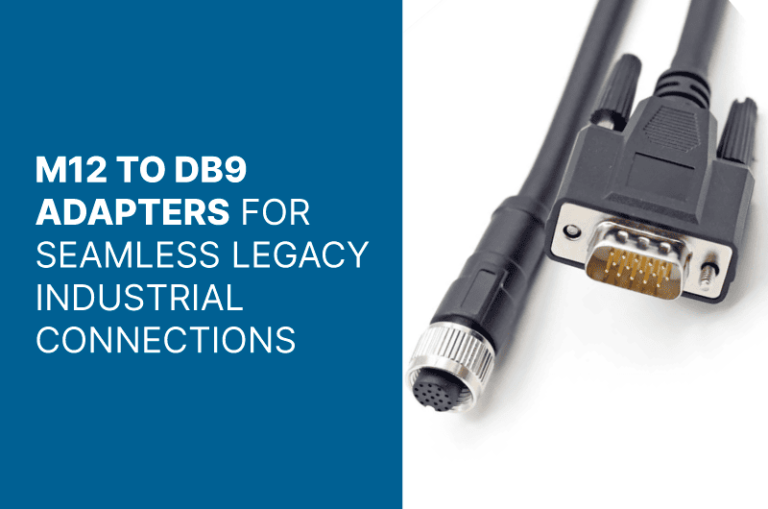
Custom Connectors and Adapters
Custom connectors and adapters play a pivotal role in improving the performance of cable systems. They facilitate seamless connections between various components, allowing for fast and efficient data transfer.
Circular and Rectangular Connectors
The choice between circular and rectangular connectors often comes down to the specific requirements of the automation environment. Circular connectors are frequently favored for their robustness and ease of handling in rugged applications. On the other hand, rectangular connectors are popular in spaces where more pins are required in a compact layout.
Over Ethernet Solutions
Ethernet-based solutions are increasingly essential in modern automation. Such connectors allow for high-speed data exchange while providing power over a single cable. This innovation streamlines installations and minimizes the clutter often found in traditional setups.
Heat Shrink Tubing
Heat shrink tubing is a critical accessory for enhancing the durability and protection of cables. By applying heat, the tubing contracts, providing a snug fit around cables and connectors.
Protection and Durability
This material serves as an effective barrier against moisture, dust, and mechanical damage. Its ability to conform closely to the cable surface ensures that critical insulation properties are maintained, prolonging the lifespan of the wiring.
Uses in Harsh Environments
In environments subject to extreme temperatures or corrosive substances, specialized heat shrink tubing options are available. These products are engineered to withstand challenging conditions, ensuring continued performance even in the toughest applications.
Integrated Wiring and Management Systems
Efficient organization of cabling systems is essential for optimal functioning. Integrated wiring and management systems help streamline installations and reduce the risk of errors during setup.
Cable Assemblies for Automation
Cable assemblies provide a comprehensive solution by grouping multiple wires into a single manageable unit. This approach simplifies the installation process while enhancing the overall performance of the electrical systems.
Improving Efficiency and Organization
Implementing effective management systems can greatly reduce cross-talk and interference between cables. Organized installations not only facilitate maintenance tasks but also enhance overall reliability, ensuring smooth operations in any automated environment.

Applications in Industrial Automation
In the rapidly evolving industrial landscape, custom cable solutions play an essential role in various applications. These cables help provide reliable connections necessary for the smooth operation of automated systems across multiple sectors.
Robotics and Real-Time Monitoring
The integration of robotics in manufacturing and logistics has transformed traditional processes. Custom cable solutions facilitate seamless communication and power supply between robotic systems and their operating environments. This connectivity enables real-time monitoring, which is crucial for optimizing productivity and ensuring safety.
For robotic applications, high-speed data transfer is paramount. Cables designed for robotics must accommodate constant movement and flexing while maintaining signal integrity. These specialized cables allow for the immediate transmission of operational data, which is vital in applications such as:
- Automated assembly lines
- Precision machining
- Quality inspection systems
Sensors and Actuators Connectivity
In industrial automation, sensors and actuators serve as the nervous system, relaying critical information and executing commands. Custom cable solutions are essential for ensuring robust connections between these devices and central control systems.
With the accurate transmission of signals from sensors to controllers, the overall system efficiency is maximized. Variants of custom cables provide specific benefits, including:
- Reduced noise and interference
- Enhanced protection from environmental factors
- Flexibility for various layouts and configurations
Power Distribution and Control
Power distribution is another critical aspect of industrial automation. Custom cables designed for power management ensure a reliable flow of electricity to various components, enabling operational stability. Effective power management involves considering both energy distribution and optimal performance.
Meeting Energy and Materials Needs
As industries advance, the demand for efficient energy consumption continues to rise. Tailored cable solutions help meet these energy needs while ensuring minimal power loss. By utilizing advanced materials and construction techniques, these cables can assist in:
- Reducing energy expenses
- Enhancing system reliability
- Adapting to different voltage requirements
Ensuring Reliable Power Supplies
Dependable power supplies are crucial in various industrial applications. Custom cable solutions play a vital role in maintaining consistent power levels, contributing to overall operational efficiency. Cables must be designed with careful attention to parameters such as:
- Voltage rating
- Current capacity
- Environmental resistance
In addition, specialized connectors and accessories enhance the performance of these power distribution systems, fostering the longevity of equipment and reducing downtime.
Innovations and Future Trends
The rapid evolution in technology has led to significant advancements in custom cable solutions. The future holds exciting possibilities that cater to the increasing demands of various industries, particularly in the realm of high-speed data transfer.
Adapting to Next-Gen Technologies
As technology progresses, the need for custom cable solutions that can keep pace with next-gen innovations becomes crucial. Key areas of adaptation include:
- 5G Connectivity: Custom cables designed to support the higher frequencies and data rates of 5G networks are being developed. This includes the integration of specialized materials that reduce signal loss.
- Internet of Things (IoT): With the proliferation of IoT devices, cables that facilitate seamless and efficient data transfer between interconnected devices are essential. These solutions often include low-power designs and compact configurations.
- Smart Manufacturing: The rise of Industry 4.0 technologies increases the need for real-time data analytics, necessitating cables that ensure quick, high-volume data transfer. These cables must also withstand harsh manufacturing environments.
Sustainability in Cable Manufacturing
The push towards sustainability is reshaping cable manufacturing processes. Industry players are focusing on eco-friendly materials and practices, which involve:
- Recyclable Materials: Many manufacturers are exploring the use of recyclable plastics and metals in cable production to minimize waste and environmental impact.
- Energy Efficiency: Production processes are being optimized not only to reduce costs but also to lower energy consumption during manufacturing.
- Life Cycle Analysis: Companies are investing in life cycle assessments to better understand their products’ environmental footprints from production to disposal.
Enhancing Performance and Reliability
The demand for high performance is unwavering, pushing the development of cables that excel in reliability under various conditions. Innovations in this area include:
- Advanced Shielding Techniques: Enhanced shielding methods are being deployed to improve resistance to electromagnetic interference (EMI), ensuring consistent signal integrity in challenging environments.
- High-Flex Cables: Cables designed for movement and bending, especially in robotic applications, are being engineered with better materials that ensure longevity and performance during constant motion.
- Smart Technology Integration: Incorporating smart features into cables, such as temperature and load sensors, allows for real-time monitoring of cable performance, enhancing overall system reliability.
If you would like to receive a quote for any of custom cables or connectors, please do not hesitate to contact us by sending an email to sales@readytogocables.com or calling in the USA this phone number (682-325-1944).