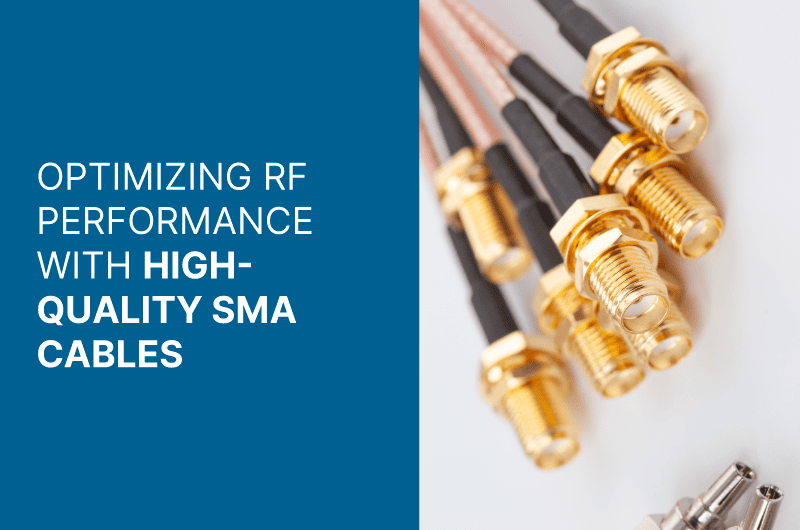
High-quality SMA cables play a crucial role in optimizing RF performance. These cables are designed to minimize signal loss and enhance signal integrity in various applications. This article explores the structure, features, and advantages of high-quality SMA cables. It also discusses best practices for installation, maintenance, and the latest innovations in SMA cable technology.
Understanding SMA Cables
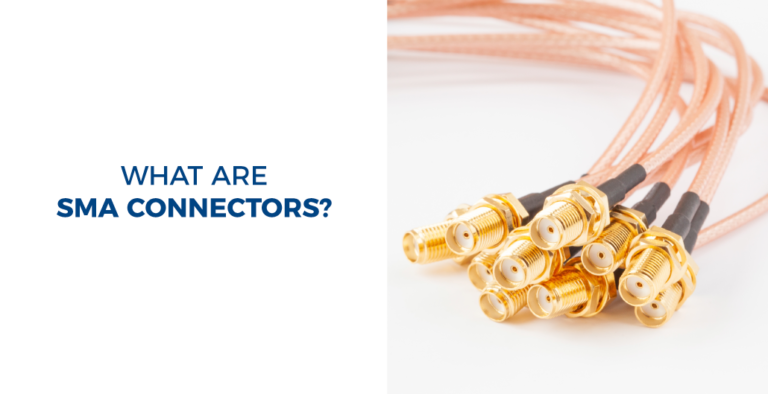
SMA cables are a critical component in the field of radio frequency applications, serving as connectors that ensure effective signal transmission. An understanding of their structure, features, and operational characteristics is essential for maximizing performance in RF systems.
Structure and Components
The physical design of SMA connectors plays a significant role in their functionality. These connectors feature several vital components that contribute to their overall performance:
- Central Conductor: The core element that transmits RF signals. Its material and configuration directly impact the cable’s impedance and signal quality.
- Outer Conductor: This component serves as a shield to minimize external interference, ensuring a cleaner signal transfer.
- Dielectric Insulator: It separates the inner and outer conductors, preventing signal loss at higher frequencies. The quality of this insulator is crucial for maintaining optimal performance.
- Screw Connections: The threaded connections on SMA connectors provide a secure fit, reducing the risk of loose connections that can introduce noise.
Key Features of SMA Connectors
SMA connectors are recognized for their unique characteristics that make them suitable for various RF applications. Some of these key features include:
- Compact Design: Their small size allows for easy integration into tight spaces within electronic devices.
- Low Insertion Loss: High-quality SMA connectors typically exhibit low insertion loss, enhancing the efficiency of signal transmission.
- High Return Loss: A high return loss indicates minimal signal reflection, which is critical for maintaining signal integrity.
- Temperature Stability: These cables maintain consistent performance across a wide temperature range, making them suitable for diverse environments.
Frequency Range and Signal Integrity
SMA cables are designed to perform efficiently across a frequency range that can extend up to 18 GHz. This capability makes them ideal for applications involving both medium and high frequencies.
The integrity of the transmitted signal is paramount in RF systems. Factors such as cable length, connector quality, and the environment in which they operate can significantly affect signal quality. By ensuring that SMA cables are made from high-quality materials and are installed according to best practices, users can achieve optimal signal integrity and minimize potential losses.
The Role of High-Quality SMA Cables in RF Performance
High-quality SMA cables play a crucial role in enhancing the performance of RF systems. Their design and materials directly impact signal transmission, integrity, and overall system reliability.
Minimizing Signal Loss
Signal loss is a significant concern in RF applications, and high-quality SMA cables are designed to minimize this loss effectively. Various factors contribute to signal attenuation, including the materials used and the construction of the cables themselves. High-quality SMA cables exhibit lower insertion loss, which refers to the amount of signal that diminishes as it passes through the connector. The construction material of the center and outer conductors is fundamental in achieving lower loss levels.
These cables typically utilize premium-grade materials that not only enhance conductivity but also reduce resistive losses. Additionally, the precision in manufacturing ensures that each cable maintains consistency in performance across a wide frequency range.
Importance of Impedance Matching
Maintaining the appropriate impedance is vital in RF systems. Most high-quality SMA cables are designed for a specific impedance of 50 ohms, which aligns with the majority of RF equipment. Mismatched impedances between cables and connected devices can lead to reflections and standing waves, resulting in signal degradation. High-quality SMA cables help mitigate these issues by providing consistent impedance characteristics throughout their length.
- The proper impedance enhances signal flow and minimizes reflections.
- Ensuring that the cable’s impedance matches the system requirements maximizes performance.
- Variability in impedance may introduce additional attenuation, impacting overall system efficiency.
Enhancing Signal Integrity and Stability
Signal integrity is paramount in maintaining the clarity and quality of RF signals. High-quality SMA cables are engineered to provide a stable and unaltered signal during transmission. Key factors contributing to improved signal integrity include:
- Superior materials: Using high-grade metals and insulators contributes to better signal transmission.
- Robust shielding: Effective shielding reduces the risk of electromagnetic interference (EMI), which can corrupt the signal.
- Precision construction: Ensures uniformity in design and enhances overall reliability.
Furthermore, the design of SMA connectors allows for minimal physical movement once connected, which supports stability in high-vibration environments.
The combination of these features ensures that high-quality SMA cables deliver a reliable performance suitable for applications demanding high precision and consistent signaling, such as telecommunications, defense systems, and medical devices.
Types of SMA Cables and Their Applications
Different types of SMA cables are designed to cater to various applications, meeting specific performance requirements. Each cable type provides unique advantages suitable for distinct environments and use cases.
Rigid Coaxial Cable Assemblies
Rigid coaxial cable assemblies are characterized by their solid structure, making them ideal for stable connections in fixed installations. These assemblies are not only designed for high-frequency applications but also support robust performance in demanding environments. Typically utilized in laboratory setups and telecommunications infrastructure, they offer minimal signal loss due to their consistent dielectric properties.
- Applications: Used primarily in permanent installations where mobility is not required.
- Advantages: Enhanced durability against physical stress and excellent transmission quality.
Flexible Coaxial Cables for Dynamic Systems
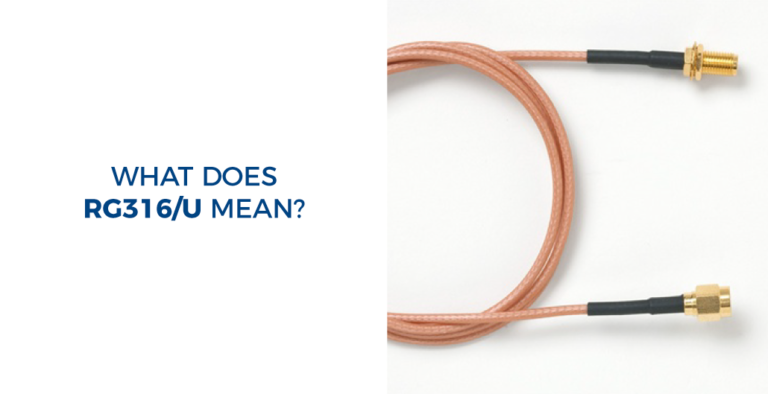
Flexible coaxial cables provide the necessary adaptability for applications involving movement. These cables are designed with a more pliable construction, allowing for ease of installation and adjustments without compromising signal integrity. Flexible cables are commonly used in portable devices, test equipment, and robotic systems, where movement can significantly impact performance.
- Applications: Commonly found in portable communication devices, field testing equipment, and environments where cables frequently undergo movement.
- Advantages: Superior flexibility leads to reduced stress on connectors and enhanced resilience to bending.
Shielded Cables for Electromagnetic Interference Reduction
Shielded SMA cables offer additional protection against electromagnetic interference (EMI), making them crucial in environments with high levels of electrical noise. The shielding effectively mitigates potential signal degradation caused by external sources. These cables are particularly beneficial in industrial settings, medical devices, and telecommunications networks, ensuring that the signals remain clear and undistorted.
- Applications: Widely used in industrial automation, sensitive laboratory instruments, and communication systems in urban areas.
- Advantages: Enhanced signal clarity and reliability, minimizing the risk of data loss or corruption.
Best Practices for Installing High-Quality SMA Cables
Implementing best practices during the installation of high-quality SMA cables is crucial for ensuring optimal performance and longevity of RF systems. Following specific protocols helps to maintain signal integrity and prevent future issues.
Ensuring Clean Connections
Maintaining cleanliness at the points of contact is essential for the functionality of cables. Any contaminant, such as dust or moisture, can lead to degraded signal quality or interruptions in transmission. The following methods can be employed to ensure clean connections:
- Before connection, inspect the cable connectors visually for any debris or dust accumulation.
- Utilize compressed air or cleaning wipes designed for electronics to remove contaminants.
- Ensure that the connecting surfaces are free of oil or grease, which can also interfere with the connection.
- Handle cables by their connectors rather than the cables themselves to prevent introducing dirt from hands.
Avoiding Physical Damage to Cables
Physical integrity is vital for high-quality SMA cables. Damage to the cable can result in increased loss of signal and could even lead to total failure. To prevent such incidents, consider these guidelines:
- Avoid bending, twisting, or sharply pulling the cables during installation.
- Implement cable management strategies, such as using cable ties or routing the cables through protective conduits.
- Position cables away from heavy equipment or moving objects that could potentially cause damage.
- Make sure to minimize tension on the cables; using connectors designed to accommodate some movement can also help mitigate stress.
Performing Initial and Periodic Performance Tests
To ensure that SMA cables are functioning correctly, conducting performance tests at both initial installation and on a regular basis is recommended. This proactive approach can help identify issues before they escalate. Suggested testing includes:
- Use a vector network analyzer (VNA) for assessing the return loss and insertion loss of the cables.
- Check for any unexpected deviations in the signal that may indicate a problem in the cable or connections.
- Schedule periodic inspections and tests to monitor the condition of cables and connectors over time, making adjustments or repairs as needed.
- Keep a record of performance metrics to notice trends that may indicate declining cable quality.
Maintenance and Troubleshooting of SMA Cable Systems
The performance and longevity of SMA cable systems rely heavily on ongoing maintenance and effective troubleshooting practices. Regular inspections and proper care can prevent signal degradation and ensure smooth operation.
Regular Visual and Functional Inspections
Consistent inspections play a crucial role in maintaining SMA cable systems. Visual checks should be performed to identify any signs of damage or wear that could affect performance. Key areas to monitor include:
- Connector integrity: Inspect the connectors for any signs of corrosion, wear, or misalignment.
- Cable condition: Look for abrasions, kinks, or other physical damage that might disrupt the cable’s function.
- Around fittings: Ensure that connections are tight and secure, as loose fittings can significantly impact signal quality.
A functional inspection should follow the visual assessment. This involves testing the system’s performance to verify that signal levels are within acceptable specifications. Common tests include measuring signal strength and loss across the cables and connections.
Cleaning Procedures for Prolonged Life
Keeping SMA cables clean is vital for sustaining performance. Dust, dirt, and contaminants can accumulate over time, leading to signal loss and increased resistance. Implementing a systematic cleaning procedure is necessary to mitigate these issues.
- Connector cleaning: Use lint-free cloths and appropriate cleaning solutions to gently wipe down connector surfaces.
- Avoiding chemical damage: Ensure that only compatible cleaning agents are used, as harsh chemicals can degrade connector materials.
- Protective caps: Store cables with protective caps on unused connectors to prevent dirt ingress.
Scheduled cleaning based on environmental conditions and usage frequency is advisable. For instance, in dusty or industrial settings, more frequent cleaning may be necessary.
Diagnosing and Resolving Signal Issues
When signal performance issues arise, a systematic diagnostic approach can help identify and resolve the underlying problems. The following steps should be considered for effective troubleshooting:
- Signal strength measurement: Utilize appropriate tools to measure the strength of the signal. Compare readings against baseline values to pinpoint any discrepancies.
- Inspecting connectors and cable paths: Examine physical connections and the entire cable route for bends, twists, or twisting that could compromise signal integrity.
- Impedance matching: Ensure that cable impedance matches system specifications. Mismatches can lead to reflections and signal loss.
Resolving the identified issues may involve replacing damaged cables or connectors and retesting system performance. Regular diagnostics and prompt corrective actions can significantly enhance reliability and efficiency in SMA cable systems.
Innovations and Advancements in SMA Cable Technology
Recent advancements in SMA cable technology focus on enhancing performance, durability, and adaptability to various environments. These innovations are crucial in meeting the increasing demands of modern RF applications.
Enhanced Materials for Durability
The development of new materials has significantly improved the durability of high-quality SMA cables. Manufacturers are now utilizing:
- Stainless Steel: This material is favored for its resistance to corrosion and excellent mechanical strength, making cables durable in challenging environments.
- Gold-Plated Contacts: The use of gold plating enhances conductivity and minimizes oxidation, ensuring long-lasting electrical performance and reliable connections.
- High-Temperature Insulation: Innovations in insulating materials allow SMA cables to withstand extreme temperatures, ensuring reliability in various applications, including aerospace and military.
These enhanced materials contribute not only to the longevity of the cables but also to their overall performance in high-frequency applications.
Precision Manufacturing Techniques
Advancements in manufacturing technologies have led to improved precision in the fabrication of SMA connectors and cables. Modern techniques include:
- CNC Machining: Computer Numerical Control (CNC) machining allows for high-precision fabrication of connector components, resulting in better fit and reduced signal loss.
- Automated Assembly: Automation in assembly processes improves consistency in production, reducing the likelihood of human error and enhancing overall quality.
- Improved Testing Procedures: The introduction of sophisticated testing methods ensures that each cable meets stringent industry standards, providing peace of mind regarding performance and reliability.
These manufacturing advancements play a crucial role in sustaining high-quality production while meeting the demanding specifications of modern RF technologies.
Adaptations for Challenging Environments
SMA cables are increasingly being designed to accommodate the rigors of harsh environments. Recent adaptations include:
- Environmentally Sealed Connectors: Sealed connectors prevent moisture and dust from entering, which is essential in outdoor applications and places where equipment faces the elements.
- Flexible Cable Designs: Cables designed for flexibility allow for dynamic movement without compromising signal integrity, making them ideal for robotic and automotive applications.
- Resistance to Chemical Corrosion: Specialized coatings and materials provide additional protection against chemical exposure, ensuring that cables maintain functionality in industrial settings.
Such adaptations ensure that SMA cables maintain performance standards even in the most demanding situations, thus broadening their applicability across various industries.
FAQ: Common Questions about SMA Cables and RF Performance
This section addresses common questions regarding SMA cables and their impact on RF performance, providing insights and clarifying misconceptions regarding their usage and advantages.
How Do SMA Cables Compare to Other Connectors?
SMA cables are often preferred in high-frequency applications due to their superior performance characteristics. Unlike other connectors, SMA connectors maintain signal integrity up to frequencies of 18 GHz. This capability distinguishes them from alternatives like BNC and N connectors, which may not perform as effectively at high frequencies.
- Size and Weight: SMA connectors are compact, making them ideal for applications where space and weight are concerns, such as in portable devices.
- Performance: They excel in low insertion loss and high return loss, which are critical for maintaining signal quality in RF applications.
- Durability: SMA connectors are designed for durability, often featuring robust construction that withstands environmental stresses better than many alternative connector types.
While there are many options available, the combination of these characteristics makes SMA cables a reliable choice for serious RF engineers and technicians.
What are the Key Benefits of Using High-Quality SMA Cables?
High-quality SMA cables offer numerous advantages that significantly enhance RF performance. Their construction plays an essential role in determining their effectiveness in real-world applications.
- Reduced Signal Loss: With a lower insertion loss compared to inferior cables, high-quality SMA cables preserve more of the signal during transmission, ensuring optimal performance over distances.
- Impedance Consistency: High-quality SMA cables maintain a 50-ohm impedance, which is essential for preventing reflections that cause signal degradation.
- Improved Return Loss: The design of premium SMA cables results in higher return loss, which minimizes the amount of reflected signal and further preserves overall quality.
- Longevity: These cables are built using superior materials that resist wear and tear, allowing for extended service life and lower maintenance costs.
Their reliability and performance consistency make high-quality SMA cables a fundamental component in sophisticated RF systems where performance is non-negotiable.
How Can I Choose the Right SMA Cable for My Application?
Selecting the appropriate SMA cable involves several factors that align with specific application needs. Understanding these parameters is crucial for achieving optimal performance.
- Application Environment: Consider the surroundings where the cable will be deployed. For example, shielded cables are preferable in electrically noisy environments to minimize interference.
- Frequency Requirements: Assess the frequency range of the RF signals. Ensure the selected SMA cable can handle the requisite frequencies without significant signal loss.
- Cable Length: Keep in mind that longer cables can introduce more attenuation. If longer runs are necessary, high-quality cables should be prioritized to mitigate losses.
- Flexibility Needs: Choose between rigid and flexible options based on whether the installation is permanent or if movement and adjustments will be frequent.
Taking these factors into account leads to informed decisions that enhance performance and reliability in RF applications.
If you would like to receive a quote for any of custom cables or connectors, please do not hesitate to contact us by sending an email to sales@readytogocables.com or calling in the USA this phone number (682-325-1944).