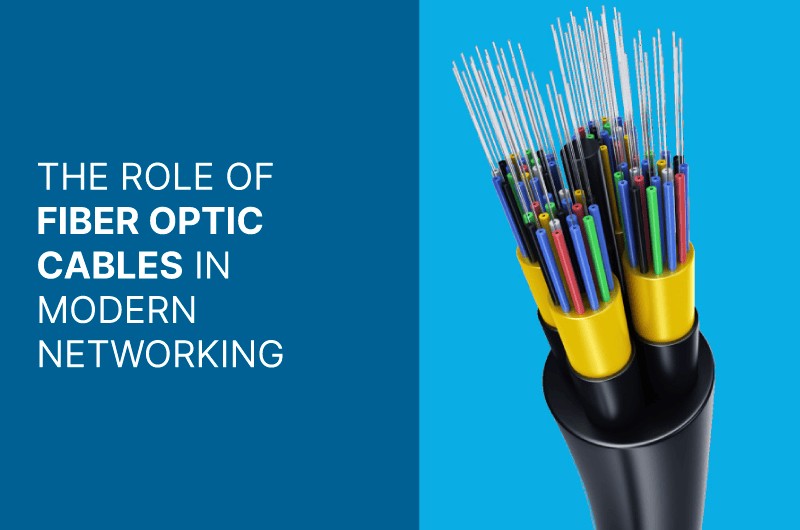
Fiber optic cables play a crucial role in modern networking by providing reliable and fast connectivity. They utilize light signals to achieve high-speed data transmission over long distances, making them superior to traditional copper wires. This article explores the key components, advantages, and various applications of fiber optic cables. Additionally, it addresses the challenges faced in their implementation and outlines best practices for effective deployment. Understanding these aspects is essential for leveraging fiber optic technology in today’s data-driven world.
Understanding Fiber Optic Cables
Fiber optic cables are a fundamental technology that plays a significant role in modern communication systems. This section explores the essential components and functioning of fiber optic cables, alongside a comparison with traditional copper cables.
Key Components
Fiber optic cables are made up of specific components that enable their unique capabilities. These include:
- Nucleus: The innermost part of the cable where light travels.
- Cladding: A layer surrounding the nucleus that reflects light back into it, reducing signal loss.
- Buffer Coating: This protective layer safeguards against moisture and physical damage.
How They Work
Data transmission in fiber optic cables relies on light pulses, which allow for extraordinarily fast communication. When light is transmitted through the nucleus, it reflects off the cladding due to a phenomenon known as total internal reflection. This mechanism enables the cable to maintain signal integrity over long distances.
Comparison with Traditional Copper Cables
Unlike copper cables that utilize electrical signals for data transfer, fiber optics rely on light, which provides several advantages:
- Higher data transfer speeds.
- Lower signal degradation over long distances.
- Resistance to electromagnetic interference.
This fundamental difference underscores why fiber optic technology is increasingly favored in contemporary networks.
Advantages of Fiber Optic Cables
Fiber optic cables offer numerous benefits that enhance modern networking capabilities and performance. These advantages contribute to their growing popularity in various sectors.
High-Speed Data Transmission
The ability to transmit data at high speeds is one of the most notable benefits of fiber optic cables. Utilizing light signals, these cables can achieve data transfer rates that far exceed those of traditional copper cables. This increased speed is crucial for applications requiring rapid data exchanges, such as video streaming and large file transfers.
Long Distance Capabilities
Another significant advantage is the capability to transmit data over long distances without degradation of signal quality. Unlike copper, which experiences significant loss over distance, fiber optic cables maintain integrity even when stretched across extensive geographical spans. This feature makes them ideal for connecting cities, large campuses, and remote locations.
Enhanced Security and Reliability
Fiber optic technology provides enhanced security for data transmissions. It is extremely difficult to tap into fiber optic cables, which makes them a safer option for sensitive information. This level of security is crucial for businesses and organizations dealing with confidential data.
Resilience Against Environmental Interference
Fiber optic cables are highly resilient to electromagnetic interference, ensuring stable connectivity even in environments with significant electrical noise. This resistance allows for reliable data transmission in various settings, including industrial and urban areas.
Applications in Modern Networking
Fiber optic cables are revolutionizing various sectors by providing high-speed data transmission essential for contemporary networking. Their unique properties enable a diverse range of applications across multiple industries.
Telecommunications
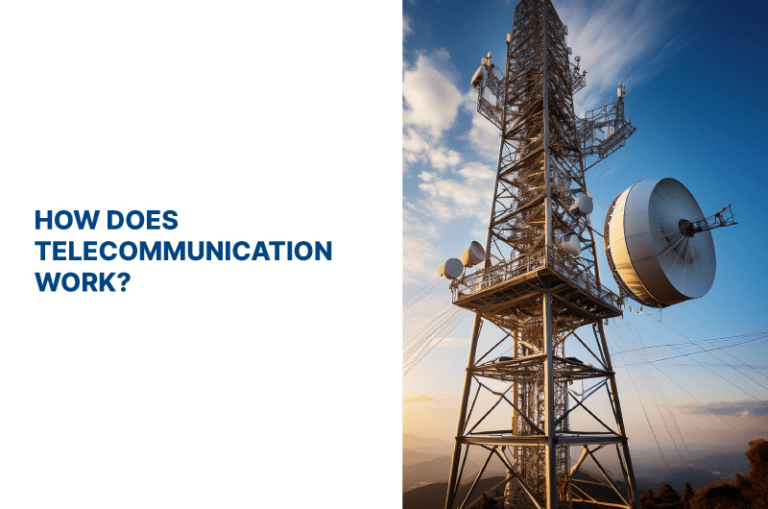
The telecommunications industry heavily relies on fiber optic cables to facilitate rapid and efficient internet services. These cables form the backbone of broadband networks, connecting users with seamless connectivity for everything from voice calls to high-definition video streaming.
Medical Industry
In the medical field, fiber optic technology plays a crucial role. Fiber optic cables are utilized in advanced medical imaging techniques and minimally invasive surgical procedures. Their ability to transmit precise light signals enhances diagnostic capabilities and improves patient outcomes.
Industrial Networks
Manufacturing and industrial sectors benefit significantly from fiber optic deployment. These cables provide reliable data transmission for automation systems and monitoring equipment. Their resilience against electromagnetic interference is particularly advantageous in environments with heavy machinery.
Broadcasting
Broadcasting industries utilize fiber optics to transmit high-definition video signals over long distances without loss of quality. This technology supports live broadcasts and content delivery, ensuring that viewers receive clear, uninterrupted programming regardless of their geographical location.
Role in 5G and Cloud Computing
Fiber optic cables are vital for the expansion of 5G networks, enabling faster mobile data and increased capacity. In cloud computing, they ensure high-speed connections between data centers, allowing for quick access to cloud services and resources. This synergy enhances overall network performance and user experience.
Challenges in Fiber Optic Cable Implementation
Implementing fiber optic cable infrastructure involves various challenges that can impact the speed and efficiency of deployment. These hurdles range from financial commitments to geographical obstacles that can complicate installation.
Financial Investment
Establishing a fiber optic network requires significant financial resources. Costs associated with materials, labor, and technology must be carefully considered. Performing a comprehensive cost-benefit analysis helps organizations evaluate the long-term return on investment and identify potential funding sources.
Existing Infrastructure Integration
Integrating new fiber optic systems with existing infrastructure poses its own set of complications. Many regions have outdated technologies that may necessitate upgrades or replacements to support fiber optics. Compatibility issues can lead to delayed timelines and increased expenses.
Geographic and Physical Barriers
Geographical features and urban environments can hinder fiber optic deployment. Difficult terrains such as mountains, rivers, or densely populated areas create logistical challenges. Planning must account for these physical barriers to ensure a seamless installation process.
Growth and Scalability Considerations
As demands for high-speed data continue to rise, scalability becomes crucial. Fiber optic networks must be designed to accommodate future growth. Ensuring that infrastructure can adapt to increasing user demands is essential for maintaining performance over time.
Best Practices for Fiber Optic Deployment
Effective deployment of fiber optic cables requires careful planning and execution. Implementing best practices ensures optimal performance, reliability, and scalability of the network.
Comprehensive Analysis and Planning
A thorough analysis of the deployment area is crucial. This includes assessing current network demands, projected growth, and environmental factors that may influence installation. Utilizing Geographic Information Systems (GIS) can provide valuable insights into topography and land usage.
Detailed Network Design
Designing the network should consider not only current needs but also future growth. Key components to specify include:
- Network architecture layout
- Redundancy requirements
- Capacity planning
This approach ensures that the infrastructure is robust and capable of handling increased data traffic.
Construction and Execution
During construction, maintaining a strong management system for workflow is essential. Oversight ensures that teams can efficiently coordinate tasks, which leads to a timely and organized installation process.
Accurate Documentation
After installation, precise documentation of the new network configuration is vital. Creating a digital twin of the network helps in ongoing management and planning for future expansions. This is crucial for keeping track of assets and maintaining operational efficiency.
Efficient Operation and Maintenance
Post-deployment, the network should be monitored and maintained diligently. Implementing standardized procedures for incident management will help minimize downtime and enhance performance reliability. Regular assessments and updates can be instrumental in adapting to evolving needs.
Future Prospects of Fiber Optic Networks
In the rapidly evolving landscape of technology, fiber optic networks are set to play a pivotal role in numerous advancements.
Emerging Technologies and Innovations
As fiber optic technology continues to advance, several innovations are on the horizon. Key developments include:
- Higher capacity and faster data throughput using advanced modulation techniques.
- Integration with artificial intelligence to optimize network performance and management.
- The development of new materials and designs that enhance flexibility and reduce costs.
Role in Digital Transformation
The adoption of fiber optic networks is crucial for driving digital transformation across various sectors. Businesses are leveraging these networks to:
- Implement Internet of Things (IoT) solutions for improved efficiency and connectivity.
- Enable faster cloud computing capabilities, facilitating real-time data access and management.
- Support smart city initiatives, enhancing urban infrastructure and services.
Long-term Investment Benefits
Investing in fiber optic networks ensures sustainable growth and scalability for businesses. The advantages include:
- An increase in bandwidth capacity to meet future data demands.
- A reduction in long-term operational costs due to lower maintenance and energy requirements.
- A future-proof solution that accommodates emerging technologies and global communication needs.
If you would like to receive a quote for any of custom cables or connectors, please do not hesitate to contact us by sending an email to sales@readytogocables.com or calling in the USA this phone number (682-325-1944).