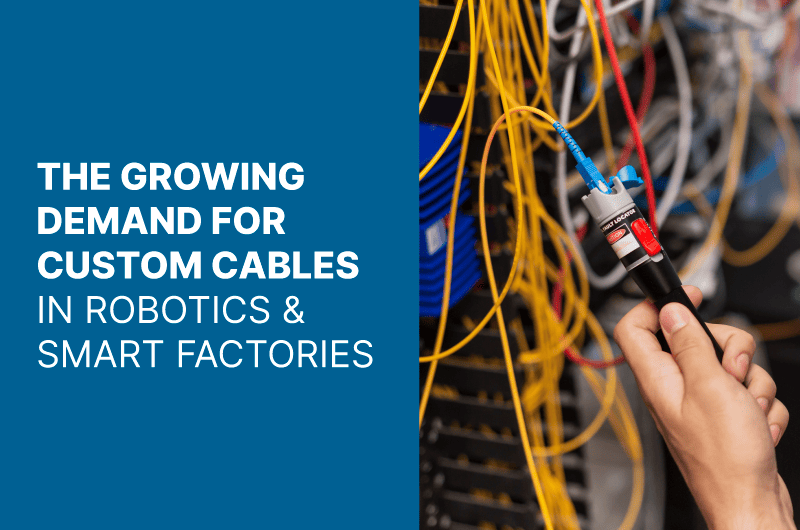
The increasing reliance on automation in industries is driving the demand for custom cables in robotic systems. These specialized cables ensure efficient communication and power distribution, which are essential for optimal robotic performance. Smart factories depend heavily on these custom cable solutions to support their advanced technologies. As automation continues to evolve, the need for tailored cable assemblies will grow, shaping the future of industrial operations.
The Role of Custom Cables in Robotics
Custom cables play a pivotal role in the effective operation of robotic systems, supporting a complex interplay of power and data transmission. These specialized cables are essential for ensuring that robotic components communicate seamlessly and function optimally within various automated environments.
Importance of Custom Cables in Robotics Systems
The reliance on custom cables within robotic systems cannot be overstated. Without tailored cabling solutions, the performance and reliability of robotic applications would be significantly compromised. Custom cables are designed to meet specific operational requirements, thereby enhancing overall system efficiency. Factors that highlight their importance include:
- Data Integrity: Robotic operations require accurate and timely data transfer. Custom cables are engineered to minimize signal loss and ensure that data remains intact throughout transmission.
- Durability: These cables are often exposed to harsh industrial environments. Custom designs typically feature materials that resist wear, chemicals, and extreme temperatures, extending the life of the cabling.
- Compatibility: Different robotic applications may require unique connectors and configurations. Custom cables can be designed to fit specific machinery, facilitating easier integration into existing systems.
Types of Custom Cables in Robotics
A variety of custom cable types are utilized in robotics, each serving distinct functions based on application requirements. These cables are tailored to improve performance in ways that standard cables cannot.
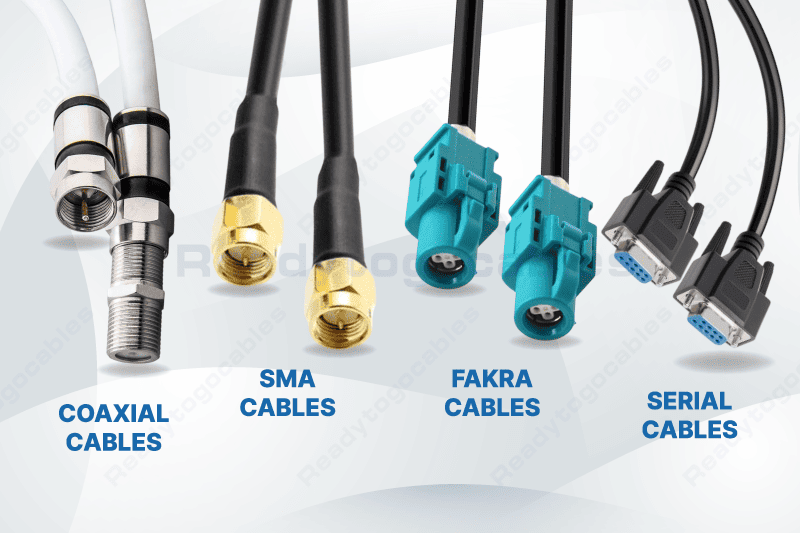
Coaxial Cables
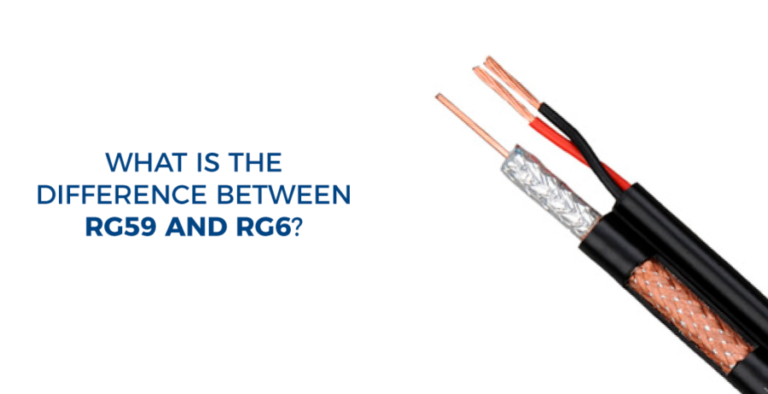
Coaxial cables are prevalent in applications where signal quality is paramount. They consist of a central conductor, insulating layer, and outer conductive shield. This construction allows for efficient transmission of high-frequency signals with minimal interference. Coaxial cables are particularly useful in:
- Video transmission from cameras in robotic systems.
- Data communication in applications requiring high bandwidth.
Serial and FAKRA Cables
Serial cables are essential for connecting various components within robotic systems. They allow for the sequential transmission of data, ensuring synchronized operations. FAKRA cables, on the other hand, are designed for high-frequency applications and are often used in automotive and high-speed data environments. Benefits of these cables include:
- Robustness against vibrations and environmental stresses.
- High data rates suitable for applications like real-time data processing.
SMA Cables
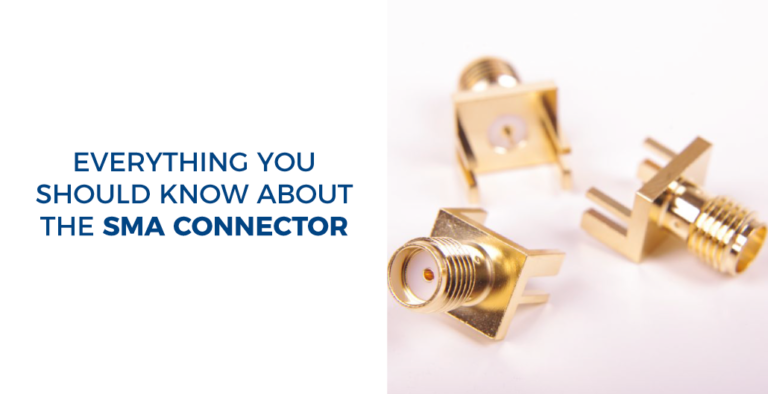
SMA (SubMiniature version A) cables are another critical type used in robotic applications. These cables are characterized by their small size and precision, making them ideal for tight spaces within robotic assemblies. They serve various functions including:
- Connecting antennas in robotic systems for wireless communication.
- Facilitating high-frequency connections in test and measurement equipment.
Smart Factories and Their Dependence on Custom Cables
Smart factories have emerged as a cornerstone in the evolution of manufacturing. Their reliance on advanced technologies creates a critical need for custom cables, ensuring efficient operation and communication throughout these automated environments.
Automation Needs in Smart Factories
The integration of automation in smart factories has revolutionized traditional manufacturing processes. To function optimally, these facilities require a seamless flow of data, energy, and signals. Here are some key automation needs that custom cables address:
- Real-Time Data Transmission: Timely and accurate data exchange between various systems is crucial for operational efficiency.
- Power Distribution: Robust cables are essential for energizing robotic systems and machinery that operate continuously.
- Signal Integrity: Maintaining signal quality across the network is vital to avoid disruptions in automated workflows.
- Environmental Resilience: Cables must withstand the harsh conditions often present in industrial settings, including temperature fluctuations and exposure to chemicals.
Custom Cable Solutions for Smart Factories
With the unique demands of smart factories, the development of customized cables tailored to specific applications has become imperative. Key custom cable solutions include:
- High-Performance Cabling: Designed for speed and efficiency, these cables ensure rapid data transfer while minimizing electromagnetic interference.
- Flexible and Durable Assemblies: Custom cables that can bend and twist provide adaptability in various robotic applications, maintaining performance in dynamic environments.
- Shielded Cables: These are necessary for the protection of sensitive data from external electromagnetic disturbances.
The Integration of Custom Cables in Industrial Automation
The successful operation of smart factories hinges on the integration of advanced technologies, which are fundamentally reliant on custom cables. This relationship manifests in various ways:
- Seamless Connectivity: Custom cables bridge the connection between robotic systems, sensors, and control units, enabling synchronized operations.
- Enhanced Communication Protocols: Support for standardized communication protocols such as PROFINET and EtherCAT is essential for real-time machine interactions.
- Long-Distance Data Transfer: Fiber optic cables provide high-speed connectivity that is crucial for communicating across larger factory environments without loss of data quality.
As smart factory technology continues to evolve, the importance of custom cables will only increase. These solutions are pivotal for ensuring that automation technologies function smoothly, ultimately leading to greater efficiency and productivity in manufacturing settings.
High-Speed Data Transfer and Custom Cables
In the context of modern manufacturing, high-speed data transfer plays a pivotal role. Custom cables designed for swift and efficient data transmission are essential in robotics and smart factory operations.
The Need for High-Speed Data Cables
The rapid evolution of industrial automation has resulted in a significant increase in data communication requirements. High-speed data cables are crucial for ensuring that the large volumes of information processed in robotic systems can be transmitted without delay. As devices become more interconnected, the demand for cables that support high data rates is at an all-time high.
Various factors contribute to the necessity for these cables:
- Real-Time Communication: Robotic systems depend on instantaneous feedback from sensors and control units. Any lag in data transmission could lead to inefficiencies and errors.
- Complex Systems: Modern manufacturing lines utilize numerous devices communicating in harmony. High-speed cables enable seamless interactions between these devices.
- Increased Data Volume: Technologies such as AI and machine learning require continuous data input. High-speed cables support this demand, allowing for the rapid transfer of large datasets.
Fiber Optic and Ethernet Cables for Fast Data Transmission
Fiber optic cables and high-speed Ethernet cables are two prominent solutions for fast data transmission. Each type has unique advantages that cater to different aspects of manufacturing environments.
Fiber Optic Cables
These cables utilize light to transmit data, enabling them to achieve extremely high speeds over long distances. Key benefits include:
- High Bandwidth: Fiber optic cables can support terabits of data per second, making them ideal for environments that require massive data throughput.
- Reduced Signal Loss: Minimal attenuation means that data integrity is maintained over longer distances, essential for expansive factory layouts.
- Electromagnetic Interference Resistance: Unlike copper cables, fiber optics are immune to electromagnetic interference, crucial in complex manufacturing settings.
Ethernet Cables
Ethernet cables, specifically designed for industrial applications, also provide high data transfer rates. They are commonly used in settings where immediate data exchange is critical.
- Speed and Flexibility: Modern Ethernet standards (such as Cat 6 and beyond) support high-speed data transfer, often exceeding 1 Gbps.
- Versatility: These cables can be used for a variety of applications, easily connecting numerous devices in a factory’s network.
- Cost-Effectiveness: Ethernet solutions are generally more affordable than fiber optics while still offering significant data transfer capabilities.
Reducing Electromagnetic Interference in Data Cables
Electromagnetic interference (EMI) poses a significant challenge in environments filled with operating machinery and electrical equipment. To ensure reliable data transmission, addressing EMI is essential when designing custom cables.
- Shielding Techniques: Employing advanced shielding methods in cable construction can substantially reduce EMI. These techniques involve wrapping the conducting wires in a conductive material that absorbs or deflects interference.
- Twisted Pair Cabling: This design helps in canceling out electromagnetic interference, providing cleaner signals for data transfer.
- Cable Placement Strategies: Thoughtful routing of cables away from high-interference areas further minimizes the impact of EMI, contributing to more stable data communication.
Ensuring Reliability and Performance in Industrial Environments
In today’s industrial landscape, ensuring reliability and performance is of paramount importance. Custom cables play a crucial role in maintaining operational efficiency, especially in challenging environments where conditions can be extreme.
Cables That Can Withstand Extreme Temperatures
Many industrial settings pose risks due to fluctuating temperatures. Custom cables designed for such environments must meet specific criteria to function effectively under thermal stress. These cables are constructed with materials that maintain their integrity, enabling them to operate within a broader temperature range.
- Thermoplastics and thermosetting plastics are often utilized for their resistance to high temperatures.
- Cables are reinforced with special insulation to prevent damage from heat exposure.
- Flexible designs are implemented to withstand thermal expansion and contraction without compromising performance.
Robust and Reliable Cable Assemblies for Industrial Applications
Manufacturing environments require cables that can endure mechanical wear and tear. Cable assemblies tailored for industrial applications are fortified to handle harsh conditions, including abrasion and chemical exposure. The strength of these assemblies is critical for minimizing downtime and ensuring peak performance.
- High-quality materials such as polyurethane and nylon are used for abrasion resistance.
- Cables are designed with reinforced jackets to provide an extra layer of protection against potential damage.
- Assembly techniques like overmolding and heat-shrinking enhance the durability of cable connections.
High-Performance Cable Assemblies
In a world increasingly reliant on instantaneous data and precise control, high-performance cable assemblies are essential. These cables not only ensure reliable power supply but also facilitate fast data transmission crucial for automated processes.
- Specialized cable designs minimize signal degradation and maintain integrity over long distances.
- Fiber optic options are integrated for high-speed and high-bandwidth communications, complementing conventional copper cables.
- Testing protocols are established to guarantee that cable assemblies meet rigorous performance standards in real-world conditions.
Power and Sensor Cables in Automated Systems
In automated systems, power and sensor cables play a critical role in ensuring efficient operation and seamless communication between components. These specialized cables support the functioning of robotic systems and facilitate data transfer, enabling real-time monitoring and control.
Power Cables Are Essential for Robotic Systems
Power cables are fundamental in delivering reliable energy to robotic systems, which often operate in dynamic and demanding environments. The integrity of these cables is paramount, as any failure can disrupt operations, resulting in costly downtime.
Typically, power cables used in robots are designed to handle high currents and are constructed from durable materials that can withstand mechanical stress, extreme temperatures, and exposure to chemicals. The following features are essential in effective power cable design:
- High current capacity for demanding applications.
- Flexibility to accommodate robot movement and configuration changes.
- Durability to resist wear and tear in harsh industrial settings.
Moreover, advancements in cable technology have led to the development of power cables that are not only robust but also lightweight, which is beneficial in reducing the overall weight of robotic systems, thereby enhancing their mobility and efficiency.
Sensor Cables in Real-Time Monitoring
Sensor cables are crucial for the integration of various sensors used in robotic systems. These cables facilitate the transfer of data from sensors monitoring parameters such as temperature, pressure, and proximity.
To ensure accurate data transmission, sensor cables must be designed with specific characteristics:
- Shielding: Protection against electromagnetic interference (EMI), which is essential for maintaining signal integrity.
- Low latency: Quick response times to support real-time data analysis and decision-making.
- Robust construction: Resistance to environmental factors that could impact performance.
In modern automated systems, sensor cables enable efficient real-time monitoring, allowing manufacturers to enhance safety, optimize processes, and quickly adapt to changes in production conditions.
Communication Between Machines and Control Systems
The seamless interaction between machines and control systems relies heavily on integrated communication channels facilitated by specialized cables. Reliable data transfer is critical in ensuring that robotic systems and control units operate in harmony.
Key aspects of communication cables include:
- Support for industrial networking protocols such as PROFINET and EtherCAT.
- High-speed data transmission capabilities to manage large datasets swiftly.
- Versatility in adapting to various communication interfaces and standards.
The successful connection between machines and control systems enhances overall efficiency in automated systems. As manufacturers continually seek improvements, the development of custom cables tailored for specific applications remains an essential focus, ensuring robust and reliable communications.
Future Trends in Custom Cable Assemblies
As the landscape of robotics and smart factories evolves, custom cable assemblies are set to play an increasingly vital role. Emerging technologies and the growing demands of automation are driving innovations in this field.
Growing Demand for Specialized Cable Assemblies
The need for specialized cable assemblies is surging in various sectors influenced by advances in robotics and intelligent manufacturing. Traditional cable solutions often fall short of the specific requirements posed by modern applications. This has led to a notable increase in the development of bespoke assemblies tailored to unique operational needs.
Key factors contributing to this growing demand include:
- Customization capabilities, allowing for specific lengths, shielding, and connector types based on the application.
- Durability requirements that ensure performance under extreme conditions, addressing temperature fluctuations and mechanical stress.
- Integration of various technologies including IoT and AI, which call for high-speed, reliable connections in cable assemblies.
Real-Time Data Transfer and Machine Learning
The integration of real-time data transfer capabilities into cable assemblies is becoming essential. As machine learning algorithms require vast amounts of data processing to function efficiently, the need for fast and reliable cable systems grows accordingly.
Advancements in fiber optic technology and high-speed Ethernet solutions are critical as they facilitate predictable data transmission rates, minimizing latency. Specifically:
- Fiber optic cables provide higher bandwidth compared to traditional copper cables, making them ideal for real-time applications.
- High-speed Ethernet cables can support protocols that navigate industrial environments, ensuring seamless connectivity between devices.
Collaboration Between Manufacturers to Meet Industry Needs
The complexity and specificity of modern automation applications foster collaborations among manufacturers. By pooling resources and knowledge, companies can innovate more effectively in developing custom cable solutions.
This collaborative effort involves:
- Joint research and development initiatives aimed at discovering new materials and technologies that enhance cable performance.
- Sharing best practices for assembly techniques that improve efficiency and reliability in manufacturing processes.
- Developing comprehensive support systems and customer service models that respond quicker to client demands and market changes.
The future of custom cable assemblies hinges on the industry’s ability to adapt to rapid technological advancements while maintaining high standards of quality and reliability.
If you would like to receive a quote for any of custom cables or connectors, please do not hesitate to contact us by sending an email to sales@readytogocables.com or calling in the USA this phone number (682-325-1944).