Serial cables for CNC machines play a vital role in industrial control systems. They enable effective communication between machines and their controllers, facilitating precise operations and data transfer. Understanding the functionality and advantages of these cables is essential for optimizing CNC processes. This article will explore their significance, including applications and potential challenges in modern manufacturing environments.
Understanding Serial Cables for CNC Machines
Serial cables are vital components that facilitate communication in various industrial applications. This section explores their significance in CNC machines and how they interact with control systems.
What Are Serial Cables?
Serial cables are communication tools that transmit data one bit at a time along a single channel. They serve as a bridge between different devices, allowing them to exchange information efficiently. In the context of CNC machines, serial cables play a crucial role in maintaining a steady flow of data during the manufacturing process.
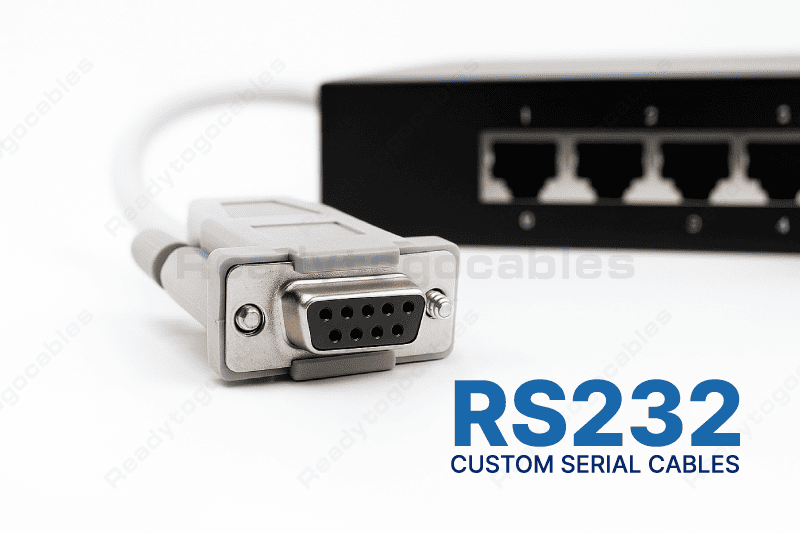
These cables are used primarily with the RS-232 port, a standard communication protocol that has been around since the 1960s. The simplicity of its design makes it accessible for various industrial applications. Its straightforward structure means that even those with limited technical expertise can implement and maintain these connections.
Overview of CNC Machines
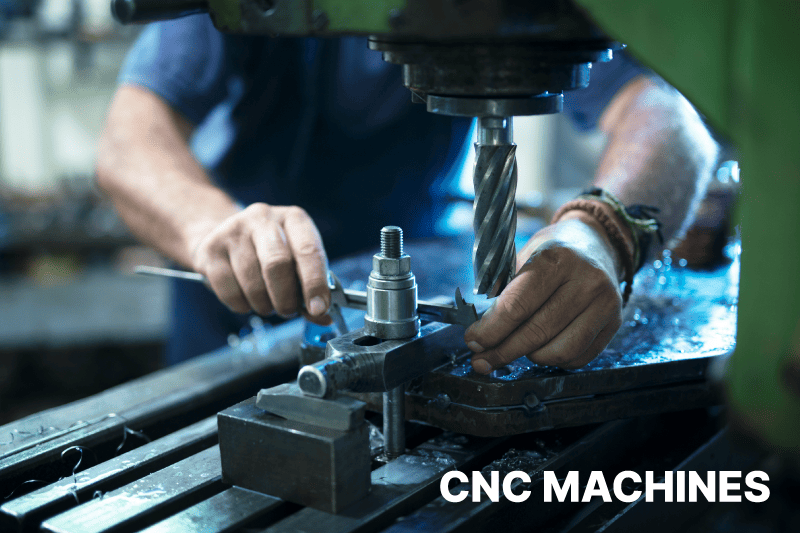
Computer Numerical Control (CNC) machines are automated milling devices that follow programmed instructions. These machines are designed to create precise and intricate components, which are vital in many industries, including aerospace, automotive, and electronics. CNC technology enhances manufacturing efficiency by minimizing human error and maximizing automation.
The effectiveness of CNC machines relies heavily on the ability to communicate instructions and receive feedback. This is where serial cables come into play, ensuring that the necessary data is transmitted seamlessly between the CNC machine and its control system.
The Role of Serial Cables in Industrial Control Systems
In industrial control systems, serial cables facilitate the exchange of critical information. They enable the transmission of commands, updates, and feedback, which are essential for smooth operation. Without these cables, CNC machines would struggle to receive precise programming instructions, which could lead to errors during production.
Furthermore, serial cables contribute to the monitoring of operational status, allowing technicians to receive real-time updates. This bidirectional communication support ensures that any issues can be swiftly addressed, thereby improving overall production efficiency.
Interconnectivity is another significant advantage provided by serial cables. These cables allow multiple CNC machines and control systems to work together harmoniously, optimizing manufacturing processes. By connecting various machines, manufacturers can achieve a more cohesive and integrated production line.
The RS-232 Standard and Its Components
The RS-232 standard is a key communication protocol that has been widely adopted in industrial environments, especially for connecting CNC machines. Understanding its components is essential for effective implementation and operation in various control systems.
Key Features of the RS-232 Port
The RS-232 port offers several distinct features that facilitate data communication. Its design accommodates various application needs in industrial settings:
- Asynchronous communication, allowing devices to send and receive data without needing to synchronize clocks.
- Point-to-point connections that enhance reliability by dedicating a single communication line between devices.
- Support for multiple data rates, typically ranging from 300 to 115200 bps, giving flexibility based on specific operational requirements.
- Powerless operation, meaning it does not require an external power source for the communication line.
Common Connectors Used
Several types of connectors are utilized to establish physical connections for RS-232 communication. The most common include:
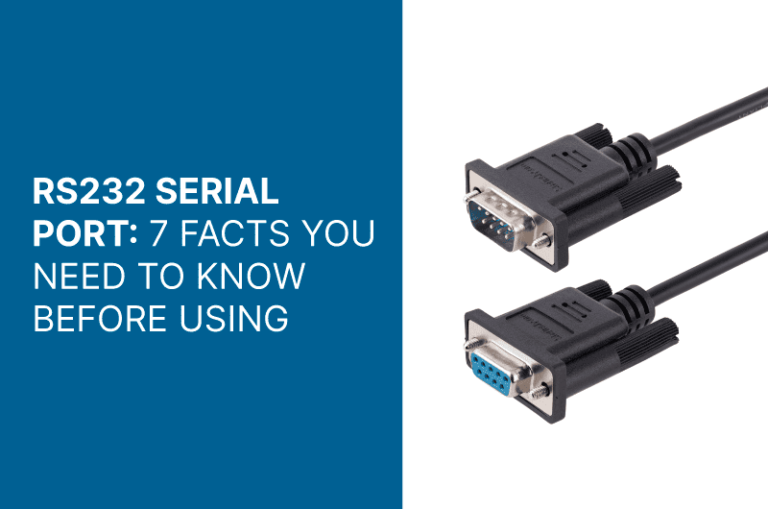
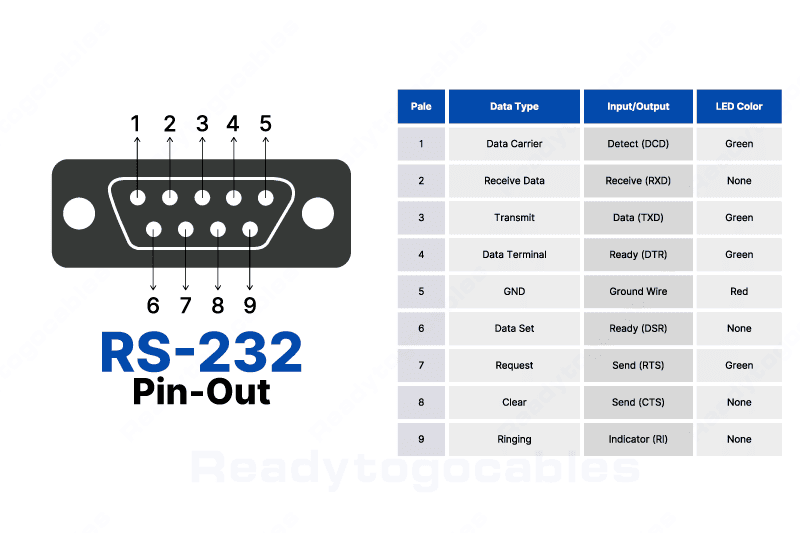
- DB9 Connectors: Featured with 9 pins, this connector is prevalent for connecting personal computers and works well for many CNC applications.
- DB25 Connectors: With 25 pins, these connectors are often used for more extensive data communication requirements and versatile configurations.
- Ruggedized Connectors: Designed for harsh industrial environments, these connectors provide enhanced durability and resistance to interference.
Data Transfer Mechanisms
Understanding how data moves through RS-232 connections is crucial for machine operators and engineers. The data transfer mechanisms can be summarized as follows:
- Data Packets: Information is sent in discrete packets, each containing a start bit, data bits, optional parity bits, and stop bits, ensuring the proper formation of data.
- Signal Levels: RS-232 uses specified voltage levels to represent binary data, where a positive voltage signifies a logical “0,” and a negative voltage indicates a logical “1.”
- Handshaking Protocols: Flow control mechanisms, such as hardware and software handshaking, help manage the data transmission effectively, reducing potential errors during transfers.
Applications of Serial Cables in CNC Machining
Serial cables play a fundamental role in the effective functioning of CNC machines. Their applications span various aspects of manufacturing processes, enhancing communication, monitoring, and overall system interconnectivity.
CNC Data Transfer and Communication
The primary function of serial cables in CNC machining is facilitating data transfer between machines and controllers. This includes the transmission of essential programming data, particularly G-code, which instructs the machine on how to execute tasks. The serial connection allows for reliable communication of movement commands, tool paths, and operational parameters necessary for precision machining.
Moreover, serial cables enable the integration of various devices that operate within a CNC ecosystem. These can include computers, control panels, and auxiliary equipment. As a result, the flow of information is seamless, contributing to improved efficiency and reduced downtime during operations.
Monitoring and Feedback Systems
Monitoring systems are enhanced through the use of serial cables, which allow real-time feedback about machine status. These cables transmit information regarding operational metrics such as temperature, spindle speed, and cutting force, enabling proactive management of the machining processes.
Operators can use this data to adjust settings and optimize performance, reacting to any anomalies by making necessary adjustments. This two-way communication not only ensures effective oversight but also enhances the safety and reliability of CNC operations.
Interconnectivity Between Machines
Another significant application of serial cables in CNC machining is the interconnectivity between multiple machines on the shop floor. By utilizing serial communication protocols, various CNC machines can share data with one another, allowing for synchronized operations across an entire production line.
- Data Sharing: Machines can exchange operational data to streamline processes, leading to a more coordinated production schedule.
- Cumulative Monitoring: Collecting data from multiple machines can enhance overall performance analysis and troubleshooting.
- Integrated Workflows: Serial connections enable a seamless workflow, where different machines can collaborate in performing specific tasks, improving overall output.
This interconnected approach not only maximizes machine utilization but also fosters a more adaptive manufacturing environment capable of responding dynamically to production demands.
Advantages of Using Serial Cables in CNC Machines
Serial cables offer several distinct advantages that make them particularly useful in CNC machining environments. Their reliability, cost-effectiveness, and ability to transfer data over long distances have solidified their place in industrial control systems.
Reliability and Simplicity
One of the most significant benefits of serial cables is their inherent reliability. The RS-232 standard, which is commonly used in CNC applications, provides a stable connection that effectively minimizes data transmission errors. This reliability is crucial in manufacturing environments where precision is paramount.
The simplicity of installation and operation also plays a vital role in their continued use. Technicians and operators can easily set up and troubleshoot these connections without necessitating extensive training. This ease of use fosters a more efficient workflow, allowing machines to communicate with controllers effectively.
Cost-Effectiveness
From a budgetary perspective, serial cables are a more cost-effective option compared to newer communication technologies. The hardware required for RS-232 connections is generally less expensive, which is particularly beneficial for small to medium-sized manufacturers who may not have the resources to invest in higher-end networking solutions.
- Lower initial investment for hardware.
- Reduced maintenance costs due to simplicity.
- Negligible licensing fees associated with traditional protocols.
This cost-effectiveness allows businesses to maintain robust manufacturing processes without overspending on communication infrastructure, particularly when retrofitting older machines that rely on serial communications.
Effective Data Transfer Over Long Distances
Serial cables also excel in situations where long-distance data transmission is necessary. Unlike many modern communication methods, RS-232 can transmit data effectively over distances of several hundred meters without significant loss of signal integrity.
This feature is especially advantageous in large manufacturing facilities, where the distances between machines and control units can be substantial. Operations can benefit from uninterrupted communication, ensuring that machines receive timely updates and instructions, which enhances overall production efficiency.
- Maintaining signal quality over long distances.
- Extensive reach, making it suitable for large factory layouts.
- Minimized synchronization issues among machines located far apart.
Such an ability to maintain effective communication ensures that manufacturing processes remain seamless, thereby supporting high-quality outputs.
Challenges and Limitations
While serial cables for CNC machines offer several advantages, they also present specific challenges and limitations that can impact their effectiveness in industrial control systems.
Potential for Interference
One of the primary concerns regarding the use of serial cables is their susceptibility to electromagnetic interference (EMI). In industrial environments, machinery and electrical systems can generate significant noise, which may disrupt the signals being transmitted through serial connections. This interference can lead to communication errors, data corruption, or loss of signals altogether.
Strategies to mitigate interference include the use of shielded cables, grounding practices, and careful cable routing away from sources of electromagnetic disturbance. Implementing these measures can improve signal integrity and reliability in a noisy factory setting.
Speed Limitations Compared to Modern Standards
Another notable limitation of serial cables, particularly those using the RS-232 standard, is their comparatively slow data transmission rates. While RS-232 can effectively handle many basic CNC tasks, it cannot match the high-speed data transfer capabilities offered by newer technologies, such as USB or Ethernet. As manufacturing processes become increasingly fast-paced and data-intensive, the slower speeds of serial communication can become a bottleneck.
- RS-232 typically supports baud rates up to 115,200 bps, which may be insufficient for modern applications.
- More advanced systems require faster communications to handle complex operations or large volumes of data without lag.
These speed limitations can hinder the responsiveness of CNC machines, making it challenging to keep up with industry demands for quick turnaround times and agile production capabilities.
Compatibility Issues with Newer Equipment
As technology evolves, compatibility has emerged as a significant challenge for serial cables. Many newer machines and control systems are designed with advanced protocols that do not support RS-232 connections. As a result, older equipment may find it increasingly difficult to integrate with modern control systems that prioritize higher-speed or more versatile communication methods.
This lack of compatibility can lead to additional expenses and complexity in upgrades or replacements. Organizations may be forced to invest in adapters or new interfaces, which adds to the overall costs and may require further training for operators.
- Older machinery may become obsolete if adequate interfacing options are not available.
- Adoption of new technologies may necessitate complete system overhauls for seamless operation.
The ongoing evolution in manufacturing technology will continue to challenge the relevance of serial communication, pushing companies to adapt in order to maintain efficiency and effectiveness in their operations.
Modern Alternatives to RS-232 for CNC Systems
As technology advances, several alternatives to RS-232 have emerged to meet the evolving needs of CNC systems. These modern interfaces provide improved speed, reliability, and functionality.
USB Connections
USB technology has become a popular choice for connecting CNC machines due to its ease of use and high data transfer rates. This connection allows for fast and reliable communication between devices. The following characteristics highlight the advantages of USB connections:
- Plug and Play: USB devices are designed for user convenience, allowing quick setup without requiring extensive technical knowledge.
- Higher Data Transfer Rates: USB connections offer significantly faster speeds compared to RS-232, accommodating the transfer of larger files and more complex data streams efficiently.
- Multi-Device Support: USB hubs can connect multiple devices, simplifying the integration of various CNC tools and peripherals.
Ethernet for High-Speed Communication
Ethernet is another significant advancement in communication technology, widely used in various industrial applications. This networking solution stands out for several reasons:
- High-Speed Capability: Ethernet supports much higher data rates than serial communication, making it suitable for real-time data transmission and complex operations in CNC environments.
- Network Integration: With Ethernet, multiple CNC machines can be connected to a centralized network, facilitating easier data exchange and improved operational coordination.
- Scalability: Ethernet networks can grow seamlessly as the number of machines increases, making it an ideal choice for expanding manufacturing operations.
Wireless Options for Greater Flexibility
Wireless technology is increasingly adopted in CNC systems, providing flexibility and reducing the clutter of cables in industrial settings. Key features of wireless solutions include:
- Ease of Installation: Eliminating cables simplifies the setup process, allowing machines to be positioned more freely within the manufacturing floor.
- Remote Monitoring: Wireless connections enable operators to monitor machines from a distance, enhancing safety and allowing for quicker interventions when needed.
- Ruggedness and Mobility: Modern wireless technologies can withstand challenging industrial environments, facilitating mobility for CNC tooling and equipment.
Best Practices for Using Serial Cables in CNC Systems
Implementing effective practices when utilizing serial cables is crucial for the operation and longevity of CNC systems. Following these guidelines helps ensure optimal performance and reliability in industrial environments.
Regular Maintenance and Troubleshooting
Consistent upkeep is vital for maintaining the integrity of serial cable connections. This includes routine inspections for signs of wear or damage. Specific tasks should include:
- Checking for frayed wires or damaged connectors, as these can lead to communication failures.
- Ensuring that connectors are securely fitted and free from contaminants such as dust or grease.
- Testing the cables periodically to confirm data transmission integrity and identify potential issues before they escalate.
Implementing a maintenance schedule can help in troubleshooting any problems that arise during operation. This proactive approach allows for timely repairs, minimizing downtime.
Ensuring Secure Connections
A stable connection between devices is essential for effective communication in CNC systems. To achieve this:
- Use appropriate connectors specific to the devices in use, ensuring compatibility and secure fitment.
- Avoid running cables near sources of electromagnetic interference, which can disrupt data signals.
- Check that connections are tight and free of corrosion, as oxidation can impede electrical conductivity.
Taking these steps significantly enhances the reliability of data transmission, reducing the chances of communication errors during operation.
Training Operators for Efficient Usage
Well-trained personnel play a pivotal role in optimizing the use of serial cables in CNC systems. It is imperative to provide comprehensive training to operators that covers:
- The proper handling and installation of serial cables to prevent damage.
- Understanding protocols associated with data transfer, allowing quicker identification of issues.
- Hands-on experience with troubleshooting techniques, ensuring operators can address minor issues on their own.
Investing in operator training not only empowers staff but also fosters a culture of efficiency and safety within the workplace.
Future Perspectives on Serial Cable Use in CNC Machining
The landscape of CNC machining is continually evolving, especially as new technologies emerge. This section explores potential innovations, industry trends, and the changing role of serial cables in smart manufacturing environments.
Innovations in Cable Technologies
As technology progresses, innovations in cable technologies are becoming increasingly important. New developments are focusing on enhancing data transmission rates and reducing interference, which are critical factors for maintaining efficiency in CNC operations. Key innovations include:
- Shielding Enhancements: New materials and designs are being used to improve shielding in cables, reducing electromagnetic interference that can disrupt communication.
- Hybrid Cable Solutions: Combining serial cable technology with Ethernet capabilities allows for faster data transfer while maintaining the reliability of traditional serial interfaces.
- Flexible Cables: Innovations that allow for greater flexibility and durability, making them suitable for dynamic environments where movement can cause wear and tear on standard cables.
Industry Trends and Developments
The manufacturing industry is experiencing transformative trends influenced by automation and data integration. Key developments include:
- Increased Automation: As factories move toward full automation, the interaction between CNC machines and control systems via serial cables needs to evolve, ensuring real-time data flow for better decision-making.
- Interoperability Standards: The push for standardization across different manufacturers is leading to cable designs that accommodate a wider array of devices, enhancing compatibility and simplifying integration across platforms.
- Smart Manufacturing Initiatives: The integration of IoT (Internet of Things) technologies requires seamless communication lines. Serial cables must adapt to serve as reliable conduits in these smarter systems, possibly through advanced protocols.
The Evolving Role of Serial Cables in Smart Manufacturing
As smart manufacturing gains traction, the role of serial cables is shifting. Their reliability and ease of use ensure they remain relevant, even amidst newer technologies. This evolution includes:
- Complementing New Technologies: Serial cables are being developed to work alongside USB and Ethernet solutions, providing a robust backup system in environments where advanced technologies may fail or be impractical.
- Data Collection and Analysis: Improved data transfer capabilities allow for better monitoring and analytics, leading to increased efficiency and reduced downtimes during CNC operations.
- Integration with Legacy Systems: Many manufacturing facilities still use legacy systems; therefore, serial cables must continue to be a bridge between new intelligent machines and older equipment.
If you would like to receive a quote for any of custom cables or connectors, please do not hesitate to contact us by sending an email to sales@readytogocables.com or calling in the USA this phone number (682-325-1944).