Role of SMA Cables is crucial in modern wireless communication systems. These connectors enable reliable signal transmission, ensuring minimal loss and effective handling of high-frequency signals. Their robust design and versatility make them essential in various applications, from antennas to routers and IoT devices. Understanding their features and functions highlights their importance in enhancing connectivity and overall system performance.
Understanding SMA Cables
SMA cables play a crucial role in the realm of wireless communication systems. Their unique design and engineering stem from a rich history, culminating in a versatile and efficient connector widely used in various applications.
Historical Development and Evolution
The evolution of SMA cables began in the 1960s, primarily targeting radar and microwave applications. Their introduction marked a significant advancement in connector technology, as they provided a compact solution for high-frequency applications. Over the decades, the enhancements in materials and design have allowed SMA connectors to adapt to the ever-changing landscape of communication technologies. Continuous innovation has ensured their relevance across industries, from telecommunications to precise measurement tools.
Basic Structure and Design
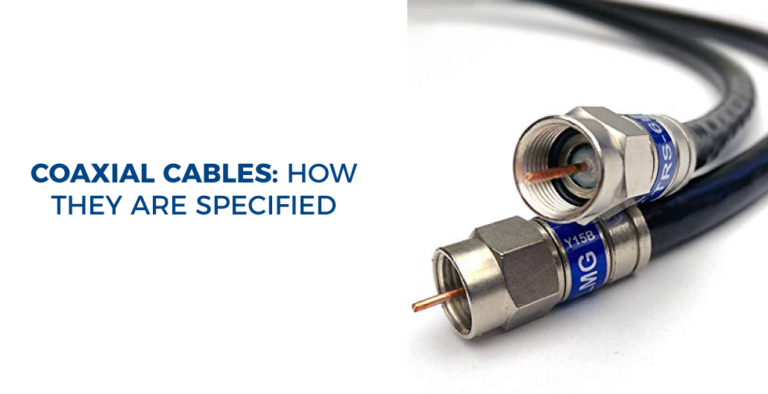
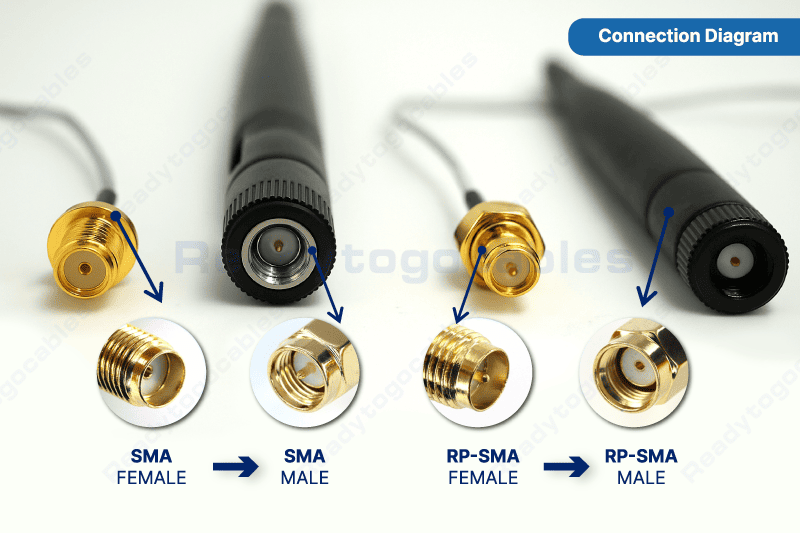
At their core, SMA connectors consist of a coaxial design, featuring a central conductor surrounded by an insulating material and an outer shielding layer. This construction is integral for protecting the signal integrity during transmission. Key attributes of SMA connectors include:
- Robustness: Typically manufactured from stainless steel, these connectors provide excellent durability and resistance to environmental factors.
- High-Performance Transmission: Capable of functioning at frequencies up to 18 GHz, SMA connectors are engineered to minimize signal loss and maintain high-level performance, making them ideal for demanding applications.
- Compact Size: The small footprint of SMA connectors allows for easy installation in tight spaces, enhancing their usability in portable devices and equipment.
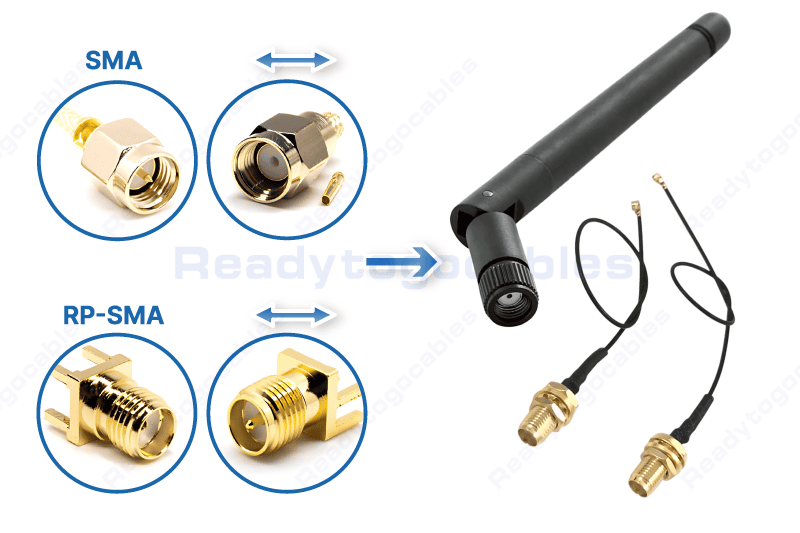
- Variety of Configurations: SMA connectors are available in several configurations, including straight and angled options, ensuring compatibility with various designs and applications.
The combination of these features solidifies the standing of SMA cables as a critical component in modern communication infrastructures. Their reliability ensures that they effectively support advanced networking systems, making them indispensable in current and emerging technologies.
Key Features of SMA Connectors
SMA connectors are distinguished by a set of essential characteristics that enhance their functionality and reliability in various applications. These features play a vital role in ensuring effective signal transmission and overall system performance.
High Frequency Performance
One of the standout aspects of SMA connectors is their capability to perform well at high frequencies. This feature is crucial for applications that require precise signal transmission without degradation. The design of SMA connectors minimizes signal loss, which is vital for maintaining the integrity of data being transmitted.
Minimizing Signal Loss
The construction of SMA connectors is specifically engineered to reduce insertion loss, allowing for uninterrupted signal flow. This is particularly important in applications such as wireless communication, where every dB of loss can significantly impact overall system performance.
Handling High Frequency Signals
With a frequency range that extends up to 18 GHz, SMA connectors are suitable for a wide variety of applications. Their ability to handle high frequency signals makes them a preferred choice in modern communication systems, including those used in telecommunications and RF applications.
Durability and Mechanical Strength
The robust design of SMA connectors contributes to their durability, enabling them to withstand challenging environmental conditions. This mechanical strength ensures they perform reliably over long periods, even in demanding environments.
Material Composition
Typically constructed from stainless steel or other high-strength materials, SMA connectors resist corrosion and wear. This durability is essential in applications that involve exposure to harsh conditions, ensuring a long service life and consistent performance.
Compact Design for Limited Spaces
SMA connectors are known for their compact size, allowing for installation in tight spaces where larger connectors would be impractical. This feature is particularly beneficial in portable and space-constrained applications.
Space Utilization
The small footprint of SMA connectors enables designers to optimize their layouts without sacrificing functionality. Their size makes them a desirable choice for applications in mobile devices and compact electronic systems.
Variety of Configurations
Another significant feature of SMA connectors is the range of configurations available. This variety allows engineers to select the most suitable connector for their specific needs, enhancing the versatility of AES installations.
Different Connector Types
- Straight Connectors
- Right-Angle Connectors
- Panel Mount Connectors
This selection ensures optimal performance in different applications and installation scenarios, making SMA connectors a flexible solution for diverse challenges.

Role in Wireless Communication Systems
The effectiveness of modern wireless systems heavily relies on the integration of SMA cables. These connectors play a pivotal role in ensuring robust communication, making them essential for various applications.
Reliable Signal Transmission
Adequate signal transmission is a fundamental requirement for any wireless communication system. SMA cables contribute significantly to the clarity and integrity of transmitted signals.
Minimizing Signal Loss
One of the most critical features of SMA connectors is their ability to minimize signal loss. The design of these cables ensures that signals remain strong during transmission, reducing degradation that could impact performance. Low insertion loss is vital in applications ranging from telecommunications to broadcasting, where any loss can affect clarity and data integrity.
Handling High Frequency Signals
SMA cables are engineered to handle high-frequency signals effectively. Capable of operating up to 18 GHz, they maintain performance standards necessary for advanced wireless technologies like 5G. This capability is crucial for systems that rely on rapid data transmission, ensuring that high-frequency signals traverse with minimal interference.
Interaction with Other Communication Equipment
SMA connectors facilitate seamless interaction between various communication devices, giving rise to a cohesive system operation. Their design allows compatibility across multiple devices, enhancing overall communication performance.
SMA Connectors in Routers
In many wireless networks, routers use SMA connectors to establish connections with antennas. This integration improves signal reception and transmission, ultimately supporting better network performance. As routers act as hubs for numerous connected devices, the reliability provided by SMA cables is indispensable.
Use in IoT Devices
With the rise of the Internet of Things (IoT), SMA cables have found their place in a broad array of interconnected devices. Their compact design allows easy integration into smaller, portable devices, ensuring a stable connection for various applications. SMA connectors are particularly suited to devices that require consistent data transmission, essential in smart homes and industrial automation.
SMA Cables in Various Applications
SMA cables find extensive use across various applications that leverage their superior properties, making them an essential component in many modern communication systems.
Antennas and RF Modules
In the world of wireless communication, antennas and RF modules are fundamental. SMA cables play a crucial role in connecting these components, providing reliable signal pathways that enhance overall system performance.
Wi-Fi and Cellular Antennas
Wi-Fi and cellular antennas utilize SMA cables for their connections due to the cables’ exceptional performance characteristics. These antennas, which must transmit high-frequency signals efficiently, rely on SMA connectors to minimize signal loss and ensure stable communication. The compact design of SMA connectors also fits well in space-constrained devices, making them ideal for a variety of applications.
Transceivers and Amplifiers
Transceivers and amplifiers form another critical application area for SMA cables. These devices are responsible for transmitting and amplifying high-frequency signals in wireless networks. The high-frequency handling capabilities of SMA cables help ensure clear and uninterrupted data transfer. Their durability against environmental factors further solidifies their role in maintaining system integrity.
Test and Measurement Equipment
SMA cables are also vital in the realm of test and measurement equipment. Accurate measurement is paramount in various testing scenarios, and the performance of SMA connectors plays a key role in achieving precise results.
- These cables are commonly used in applications such as:
- Signal analyzers
- Network testers
- Oscilloscopes
The reliability of SMA cables ensures that measurements taken are trustworthy and reflect true performance conditions. Given their resistance to wear and tear, SMA cables contribute to the longevity of the testing equipment they connect.
Differences Between SMA and Other Connectors
Understanding the differences between SMA connectors and other similar types is critical for making informed decisions in designing communication systems. This section explores the key distinctions among these connectors to highlight their specific advantages and applications.
Comparing SMA and SMB
The primary contrast between SMA and SMB connectors lies in their size and frequency handling capabilities. SMA connectors are smaller and can function effectively at frequencies reaching up to 18 GHz. In contrast, SMB connectors, while even smaller, limit their operational frequency to approximately 4 GHz.
This difference makes SMA connectors particularly advantageous for applications demanding high-frequency performance. Engineers looking for superior signal integrity and lower loss tend to prefer SMA connectors for sophisticated communication systems.
- Size and Frequency: SMA offers broader frequency limits compared to SMB.
- Signal Performance: SMA connectors minimize signal degradation better than SMB connectors.
The compact size of SMB connectors can be beneficial in tight installations, yet their reduced performance capabilities often render them less suitable for critical high-frequency applications.
Comparing SMA and SMC
SMC connectors also have a compact design, but their coupling mechanism differentiates them from SMA connectors. SMC connectors utilize a quick-connect method that allows for easier assembly and disassembly. This is particularly beneficial in mobile applications where frequent reconfiguration may be necessary.
However, there are trade-offs involved. The SMA connectors employ a threaded design, enhancing their stability and security in environments subject to vibrations or mechanical stress. As such, while SMC connectors provide convenience in connectivity, they may be less reliable under strenuous conditions compared to their SMA counterparts.
- Coupling Method: SMA connectors use a screw-on design, whereas SMC connectors feature a snap-together mechanism.
- Reliability: SMA is typically more robust under extreme conditions and vibrations.
Ultimately, the choice between SMA and SMC connectors will depend heavily on the specific requirements of the application, including the need for stability versus convenience.
Future Prospects for SMA Cables
The evolution of SMA cables is set to continue, driven by advancements in technology and shifts in market demand. As wireless communication systems become increasingly critical, the role of these cables is likely to expand further, adapting to new challenges and opportunities in the field.
Technological Advancements
Ongoing innovations are transforming the landscape of SMA cables, enhancing their capabilities and applications. As materials and manufacturing processes evolve, new possibilities are emerging for the role these connectors play.
Material Innovations
Recent trends focus on the development of advanced materials that provide increased performance. These innovations aim to improve the electrical properties of SMA connectors, leading to lower loss and better signal integrity. Materials such as thermoplastics and high-conductivity alloys are becoming common, allowing for more robust and efficient connections.
Enhancements in Manufacturing
Improvements in manufacturing techniques are also contributing to the future of SMA cables. Automation and precision engineering are enabling more consistent and reliable production. This enhances the overall quality of SMA connectors, reducing variation and ensuring that they meet the stringent requirements of modern wireless applications.
Market Trends and Demands
The demand for SMA cables is being driven by several key market trends, particularly in the realms of mobile communication and the Internet of Things (IoT). As connectivity needs increase, the role of these cables is expanding across various sectors.
5G and Beyond
The rollout of 5G networks is one of the major factors influencing the future of SMA cables. These networks demand higher frequency performance and increased data handling capabilities. SMA connectors, with their ability to support up to 18 GHz, are well-positioned to meet these requirements, offering efficiency and reliability in data transmission.
Increasing IoT Integration
Furthermore, the rapid growth of IoT devices is creating new opportunities for SMA cables. As more devices become interconnected, the need for stable and reliable connections is paramount. SMA connectors facilitate communication among sensors, devices, and networks, ensuring seamless data transfer across various platforms.
If you would like to receive a quote for any of custom cables or connectors, please do not hesitate to contact us by sending an email to sales@readytogocables.com or calling in the USA this phone number (682-325-1944).