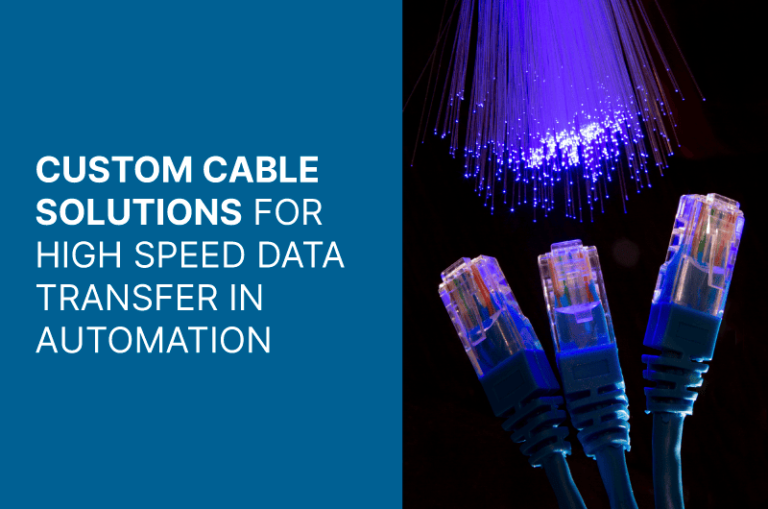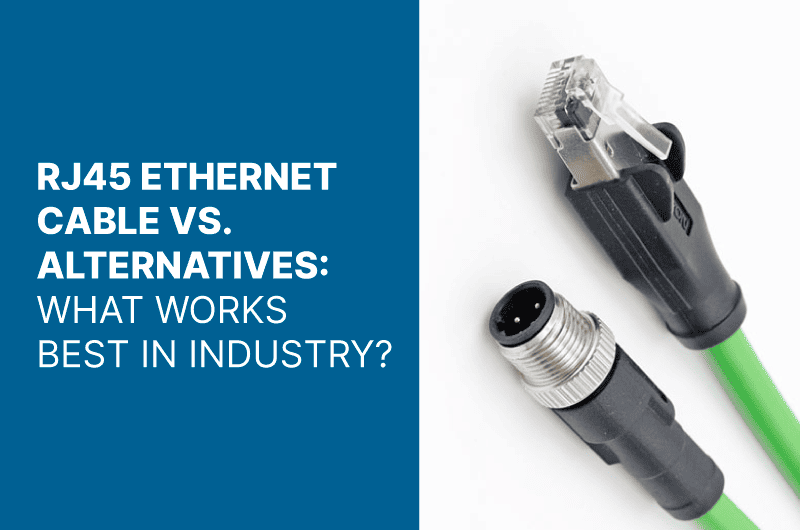
The RJ45 Ethernet Cable has been a standard choice for networking due to its reliability and cost-effectiveness. This article explores its key features, applications, and advantages. It also examines industrial alternatives, such as fiber optic cables and shielded twisted pair options. The comparison will cover performance, durability, and cost to determine the best connectivity solutions for various industrial applications.
Understanding RJ45 Ethernet Cable
The RJ45 Ethernet Cable is a widely used networking solution that plays a crucial role in establishing reliable connections in various applications. Understanding its features and benefits is essential for optimizing network performance.
Key Features and Specifications
This cable is characterized by its eight-pin connector, which conforms to the TIA/EIA-568 wiring standard. Various categories of RJ45 cables, including Cat5e, Cat6, Cat6a, and Cat8, offer different performance levels:
- Cat5e: Supports speeds up to 1 Gbps.
- Cat6: Offers up to 10 Gbps at distances of 100 meters.
- Cat6a: Enhanced version of Cat6 with support for 10 Gbps over 100 meters and greater bandwidth.
- Cat8: Designed for high-speed data centers, supporting 25-40 Gbps over short distances.
Common Applications and Usage
RJ45 Ethernet cables are versatile and find applications in various environments:
- Office and Business Networks: Connecting computers, printers, and routers.
- Home Networking: Ideal for setting up a local network or connecting smart devices.
- Data Centers: Used for high-speed connections between servers and switches.
Advantages of RJ45 Ethernet Cable
The popularity of RJ45 cables can be attributed to several key advantages:
Cost-Effectiveness
RJ45 cables are generally more affordable compared to alternative technologies like fiber optics. This affordability makes them an appealing choice for small and medium-sized enterprises.
Ease of Installation
Installation is straightforward, requiring no specialized tools or training. This accessibility allows for quick deployment and setup.
Compatibility
The RJ45 standard is widely accepted across numerous devices and manufacturers. This compatibility facilitates seamless integration into existing networks, enhancing interoperability.
Limitations of RJ45 Ethernet Cable
Despite its popularity and widespread use, the RJ45 Ethernet cable does have several limitations that can affect performance in certain situations. Understanding these limitations is essential for making informed decisions in networking environments.
Distance and Signal Degradation
One significant drawback of RJ45 cables is their limited transmission distance. Standard Ethernet cables are designed to operate effectively over a maximum length of 100 meters (about 328 feet). Beyond this distance, signals can degrade, leading to reduced performance and potential data loss.
Factors impacting signal quality over distance include:
- Attenuation: Signal strength decreases as the distance increases, which can result in slower data rates.
- Latency: Longer cable runs can introduce delays in data transmission, which might affect applications that require real-time communication.
- Cable Quality: Differences in cable manufacturing standards can exacerbate signal loss, especially in lower-category cables.
Vulnerability to Interference
RJ45 cables, which primarily use copper wire, have inherent vulnerabilities to electromagnetic interference (EMI) and radio frequency interference (RFI). This susceptibility can lead to issues in environments with heavy electrical equipment or wireless signals.
Some key points regarding interference include:
- Cross-talk: This phenomenon occurs when signals from adjacent wires interfere with each other, potentially degrading overall performance.
- Environmental Factors: High-traffic industrial areas may expose RJ45 cables to greater EMI, leading to decreased reliability.
- Shielding Limitations: While some RJ45 configurations offer shielding (e.g., S/FTP), not all cables provide adequate protection against interference.
In summary, while RJ45 Ethernet cables offer numerous advantages, their limitations regarding distance and susceptibility to interference should be carefully considered in network planning and implementation. For environments demanding higher performance and longer distances, alternative cabling solutions may be more suitable.
Exploring Industrial Alternatives
In industrial settings, the choice of networking cables can significantly impact performance. Alternatives to RJ45 Ethernet cables offer various advantages depending on specific applications and environments.
Fiber Optic Cables
Fiber optic technology is becoming increasingly prevalent in industrial applications due to its significant performance benefits.
Types: Monomode vs Multimode
- Monomode: This type of fiber is designed for long-distance communication, transmitting signals over several kilometers without significant loss. It uses a single light path, offering high bandwidth capabilities.
- Multimode: Ideal for shorter distances, multimode fiber supports multiple light paths, reducing overall cost while still providing substantial bandwidth, typically used in local area networks.
Benefits of Fiber Optic Cables
- High data rates, with capabilities reaching 100 Gbps and beyond.
- Low signal attenuation over long distances, making it suitable for extensive network infrastructures.
- Immunity to electromagnetic interference, ensuring a clean signal in environments with heavy electrical equipment.
Challenges with Fiber Optic Cables
While fiber optic cables are advantageous, potential challenges include higher installation costs and fragility, which requires careful handling during installation and maintenance.
Shielded Twisted Pair Cables
Shielded twisted pair (STP) cables offer a robust alternative to traditional unshielded cables, particularly in noisy industrial environments.
S/FTP vs S/UTP: Differences
- S/FTP (Shielded Foiled Twisted Pair): Each pair of wires is individually shielded, providing maximum protection against external interference. Ideal for environments with significant electromagnetic interference.
- S/UTP (Unshielded Twisted Pair): Offers a single shield around all pairs, providing moderate protection, suitable for less challenging environments, and is less expensive than S/FTP.
Advantages in Industrial Settings
- Enhanced performance in electrically noisy environments.
- Cost-effective compared to fiber optic solutions yet provides better shielding than standard UTP cables.
High-Category Cables
High-category cables such as Cat6, Cat6a, and Cat8 are tailored for high-performance networking in data-intensive applications.
Cat6 and Cat6a: Performance and Cost
- Cat6: Supports data speeds up to 10 Gbps over short distances, providing a balance between performance and cost-effectiveness.
- Cat6a: Offers improved performance, enabling 10 Gbps at distances of up to 100 meters, making it a popular choice for enterprise settings.
Cat8: When to Use Them
Cat8 cables are designed for extreme performance, capable of speeds between 25-40 Gbps but are intended for short runs (up to 30 meters). Suitable for high-demand data centers requiring rapid, reliable connections.
Adaptors and Converters
As network environments evolve, adaptability becomes essential. Adapters and converters facilitate the integration of various cable types.
Integrating RJ45 with Other Systems
- Adapters can convert RJ45 connections to fiber optic interfaces, enabling interoperability between different network formats.
- They assist in transitioning to modern technologies without the need to replace existing infrastructure.
Performance and Reliability Comparison
Assessing the performance and reliability of different networking cables is essential for determining the best fit for any industrial application. This section delves into crucial factors such as speed, bandwidth capabilities, interference resistance, and overall durability.
Speed and Bandwidth Capabilities
Networking cables vary significantly in their speed and bandwidth capacities, which play a vital role in data transmission rates. Here’s a breakdown of different cable types:
- RJ45 Cat5e: Supports speeds up to 1 Gbps and a bandwidth of 100 MHz, suitable for standard networking tasks.
- RJ45 Cat6: Provides speeds of up to 10 Gbps and a bandwidth of 250 MHz, making it ideal for more demanding applications.
- RJ45 Cat6a: Maintains a speed of 10 Gbps with an increased bandwidth of 500 MHz, ideal for environments requiring higher throughput.
- RJ45 Cat8: Offers exceptional performance with speeds ranging from 25 to 40 Gbps and a bandwidth of 2000 MHz, designed for short-distance connections in data centers.
- Fiber Optic Cables: Capable of reaching speeds exceeding 100 Gbps, fiber optics provide immense bandwidth capabilities, making them superior for extensive networks.
Impact of Interference on Different Options
Interference can significantly affect network performance. The susceptibility to electromagnetic interference (EMI) varies among cable types:
- RJ45 Cables: Standard unshielded twisted pair (UTP) cables are more vulnerable to EMI, which can lead to degraded performance in noisy environments.
- S/FTP and S/UTP Cables: These shielded cables are designed to mitigate interference, providing better stability and reliability in industrial settings.
- Fiber Optic Cables: Being immune to EMI, fiber optic cables maintain signal integrity over long distances, making them the preferred choice for environments with a high potential for interference.
Durability and Environmental Suitability
The durability of networking cables is paramount, especially in harsh industrial environments. Key considerations include:
- Copper Cables: While copper cables like RJ45 are rugged, they can be affected by environmental factors such as humidity and temperature extremes.
- Fiber Optic Cables: Although more fragile, advancements in technology have resulted in robust fiber optic options suitable for various industrial applications, resistant to environmental changes.
- Shielded Cables: The design of shielded cables allows them to withstand higher levels of interference, making them more reliable in challenging environments.
Cost Considerations
Cost considerations play a pivotal role in determining the appropriate cabling solution for networking needs. The expenses involved can encompass installation costs as well as long-term maintenance requirements.
Installation Costs
The first financial aspect to consider when installing a cabling infrastructure is the initial installation cost. This cost can vary widely based on several factors including the type of cable, labor, and complexity of the installation process.
- For RJ45 Ethernet Cables, the installation tends to be more affordable. Materials are generally less expensive and widely available.
- Installation of fiber optic cables, while offering high performance, often comes with a higher price tag due to expensive materials and the necessity for specialized skills.
- Shielded twisted pair cables present a middle ground in terms of cost. Their installation is more affordable than fiber but more expensive than standard RJ45 cables due to additional materials for shielding.
Long-Term Maintenance and Upgrades
Maintenance costs must also be factored into the overall financial planning. With the rapid evolution of technology, ensuring that the network infrastructure remains current is essential.
- RJ45 Ethernet Cable systems are generally easier and cheaper to maintain. Components are readily available, and repair work can often be performed without the need for specialized technicians.
- Fiber optic systems, while high-performing, can incur significant costs for maintenance and potential upgrades. Specialized knowledge is required for repair processes, which can lead to higher service fees.
- Upgrading networks using high-category cables, such as Cat6a or Cat8, can also lead to additional costs. Although these cables provide superior performance, their implementation might necessitate further upgrades to associated infrastructure.
Choosing the Right Cable for Your Needs
Selecting the optimal cable for networking requires careful consideration of multiple factors. It is essential to assess specific needs and future scalability while balancing various technical aspects.
Evaluating Network Requirements
Understanding the specific requirements of a network is the first step in choosing the right cable. Key considerations include:
- Speed Demands: Determine the required data transfer speeds based on current and anticipated applications.
- Distance: Evaluate how far signals need to travel to ensure proper performance without loss.
- Environment: Consider factors such as physical layout, potential interference sources, and environmental conditions that might impact cable performance.
- Scale of Deployment: Assess whether the network is intended for a small office setup or a large-scale industrial environment.
Balancing Cost and Performance
Cost considerations play a crucial role in selecting network cables while not compromising on performance. Manufacturers offer a range of cables at different price points:
- Budget Options: RJ45 cables, particularly options like Cat5e, can be cost-effective for basic networking needs.
- Mid-Range Choices: Cables such as Cat6 and S/UTP provide better performance and stability at a moderate cost.
- High-End Solutions: For advanced applications requiring exceptional speed and bandwidth, investing in fiber optic or Cat8 cables may be warranted despite the higher initial cost.
It’s vital to evaluate overall network performance against investment costs. Initial savings might lead to increased long-term expenses if the selected cable cannot support future demands.
Future-Proofing Your Network Infrastructure
Planning for the future is essential when selecting a cable type. This involves anticipating technological advancements and network growth:
- Scalability: Choose cables that can accommodate higher speeds as business needs evolve.
- Emerging Technologies: Be aware of innovations like Power over Ethernet (PoE), which can impact the type of cabling required.
- Longevity: Investing in higher quality cables can extend the lifespan of network infrastructure, reducing the need for frequent upgrades.
By focusing on future needs as well as current ones, organizations can create a robust networking environment that adapts seamlessly to growth and change.
Frequently Asked Questions
This section addresses common inquiries related to the selection and installation of RJ45 Ethernet cables and their alternatives. These questions reflect the concerns faced by individuals and businesses regarding network configurations.
How to Choose Between RJ45 and Alternatives?
Selecting the appropriate cable involves assessing various factors, including the specific application requirements, budget constraints, and future network needs. Consider the following aspects:
- Speed Requirements: Evaluate the maximum speed necessary for the applications being run. RJ45 may suffice for standard needs, while fiber optic cables could be essential for high-demand environments.
- Distance: Determine the distance between network devices. RJ45 cables typically have a limit of 100 meters, while fiber optics can cover much greater lengths without loss of signal quality.
- Interference Considerations: In environments susceptible to electromagnetic interference, shielded cables like S/FTP may offer advantages over standard RJ45 cables.
- Cost versus Performance: Analyze the budget. Although RJ45 cables are generally less expensive, investing in fiber optics or advanced category cables may yield better long-term performance and reliability.
What Are the Best Practices for Installation?
Proper installation is critical to ensure optimal performance of network cabling. Following established best practices can help avoid connectivity issues:
- Plan Cable Routes: Carefully design the layout of the cables to reduce unnecessary bends and avoid potential interference from other electrical equipment.
- Use Proper Tools: Utilize appropriate tools such as cable testers and crimping tools to ensure connections are secure and reliable.
- Label Cables: Clearly label cables to simplify future maintenance and troubleshooting. This practice minimizes confusion when managing networks.
- Adhere to Standards: Follow industry standards for installation practices, ensuring compliance with local codes and regulations.
How Do Power Over Ethernet (PoE) Considerations Affect Selection?
Power Over Ethernet technology allows network cables to deliver both data and electrical power, which can significantly influence the choice of cabling:
- Compatibility: Ensure that the selected cable supports PoE standards, particularly when integrating devices like VoIP phones or security cameras.
- Cable Categories: Higher-category cables (such as Cat6 and Cat6a) provide better performance for PoE applications due to their enhanced capabilities in handling both data and power simultaneously.
- Heat Management: Consider the potential for heat generation when transmitting power over cables. Selecting cables with appropriate ratings is vital for safe operation.
If you would like to receive a quote for any of custom cables or connectors, please do not hesitate to contact us by sending an email to sales@readytogocables.com or calling in the USA this phone number (682-325-1944).