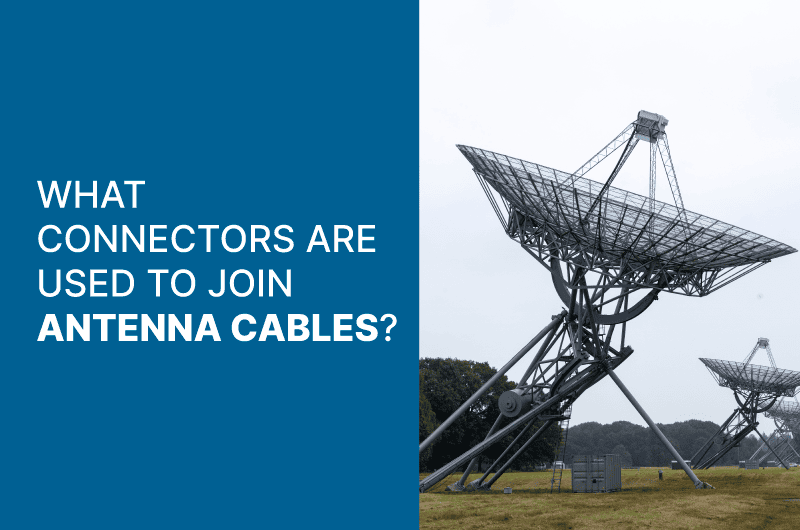
When it comes to connecting your antenna to your radio, you need to know what connectors are used to join them. The F type is the most common connector used to join antenna cables and comes in two different styles. You can use a crimp-type connector or a twist-on type connector. You need to keep the cable’s length in mind when choosing which one to use. Ensure the copper wire is at least 1/4 inch long, as a twisted connection will weaken the signal.
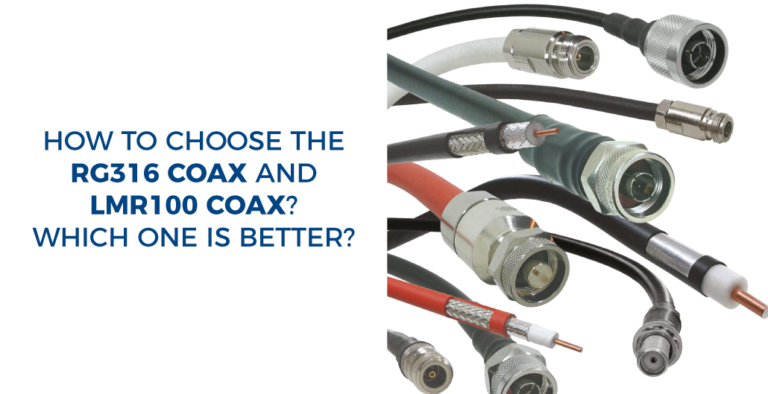
Sub-Miniature version A (SMA) connectors are threaded with a hex nut outer housing. This type of connector has a wide performance range and is popular for telecommunications, industrial, and military applications. The N connectors are typically used on small antenna cables, and the subminiature version B connectors are used in larger devices. The two most common types of RF/microwave connectors are TS-9, F-type, and MU-MMC.
Pigtails are short lengths of coaxial cable that are capped with radio frequency connectors. These pigtails help extend a connection or connect an external antenna to a PCB. Pigtails also allow you to use different connector sizes. In addition, pins are the male inner contact on a radio frequency connector and are designed to insert into the corresponding female connector.
What Are BNC Connectors?
What are BNC connectors? These miniature connectors are used for coaxial cables. These connectors are miniature and can easily connect and disconnect with ease. Listed below are some of the uses for BNC connectors. You can find these connectors in a variety of places. If you’re confused by the names of BNC connectors, read the following for some helpful information. The BNC designation indicates the cable is coaxial.
First developed for military applications, BNC connectors quickly made their way into the world of communications and were widely used in the early computer and ethernet networks. As these connectors are interchangeable, they became the standard interconnect assemblies for many popular products. They were later used in digital music recording equipment, radio antennas, and military equipment. BNC connectors are still widely used in various settings, including avionics and radio broadcasting.
Besides being used for audio and video functions, BNC connectors are also commonly used for radio antennas and analog and serial digital interface video signals. BNC connectors are also popular in recording studios because they help to synchronize digital recording equipment and transmit word clock timing signals. There are various types of BNC connector assemblies for different applications. They are also often used in video surveillance. It’s a great way to connect multiple components with ease.
Among the most common uses for BNC connectors, you’ll find them in consumer electronics. They’re often used in VGA connectors and are also an excellent option for applications requiring composite video and high-resolution digital images. In fact, BNC connectors are so versatile that they’re often used as a cheap alternative to VGA and DVI connectors. They can be found on a variety of consumer electronic devices and are also available for use on the market.
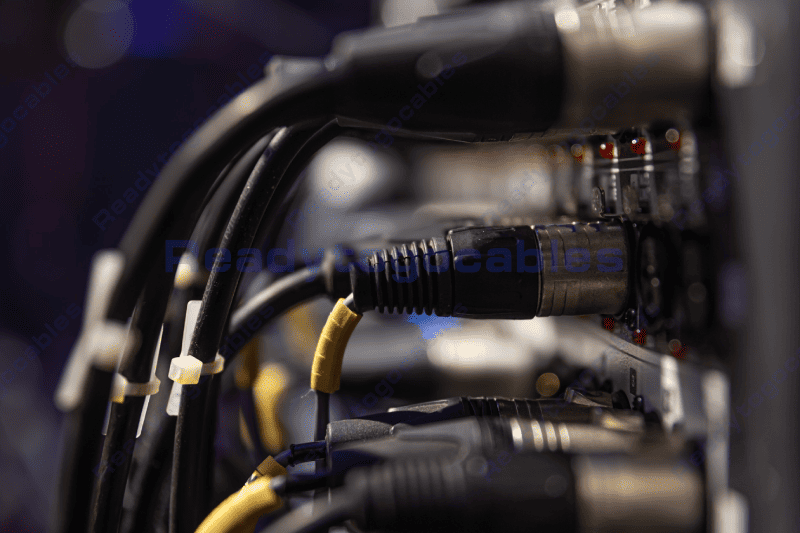
Types of BNC Connectors for Antenna Cables
Several types of BNC connectors are available, including those made for outdoor use. Most are made for 50-ohm cable and 50-ohm wire, but there are also 75-ohm versions. Their difference lies in their size and impedance ratings. The first is 50 ohm, while the latter is made for frequencies up to two GHz. In many cases, however, a 50-ohm BNC connector is better for outdoor use.
A BNC connector is also needed for an antenna cable. It has two bayonet lugs on the female connector, making it convenient for users. It crimps onto the whole assembly to ensure the best fit and performance. This type of connector is also widely used in recording studios and is commonly found with digital recording equipment.
The SMA (smaller version of the SMB) connector is typically found on desktop modems and smaller antennas. These connectors are often pre-terminated, but some antennas may not be. These connectors are ideal for communications and other low-power operations. Compared to SMB connectors, SMBs can handle higher power levels and are 30% smaller. The SMB connector is similar to the BNC but is used for smaller antennas.
If you would like to receive a quote for any of custom cables or connectors, please do not hesitate to contact us by sending an email to sales@readytogocables.com or calling in the USA this phone number (682-325-1944).