DB9 cables in automation continue to play a vital role in maintaining legacy automation systems. This article explores the options for upgrading or replacing these cables within industrial environments. As technology evolves, understanding the benefits and challenges associated with DB9 cables is crucial. This includes evaluating compatibility with modern devices and addressing data security concerns.
Understanding DB9 Cables in Industrial Automation
DB9 cables play a pivotal role in the realm of industrial automation, facilitating communication among various devices. Their continued relevance is especially noticeable in legacy systems, where they bridge the gap between outdated technologies and modern solutions.
What are DB9 Cables?
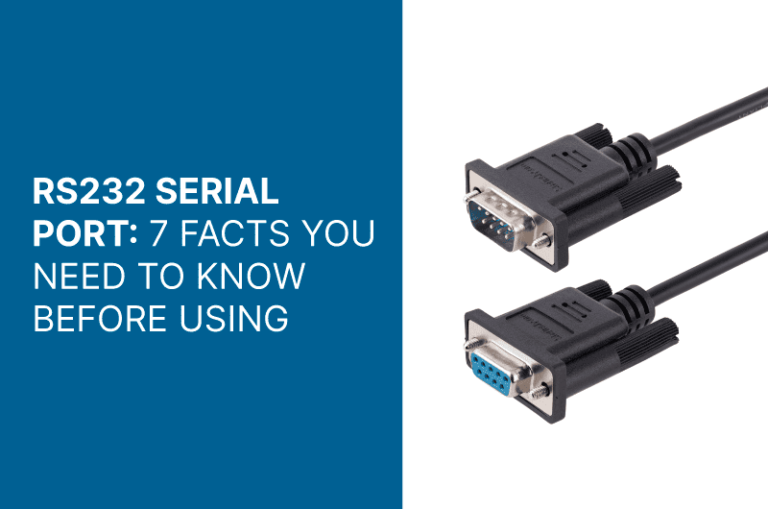
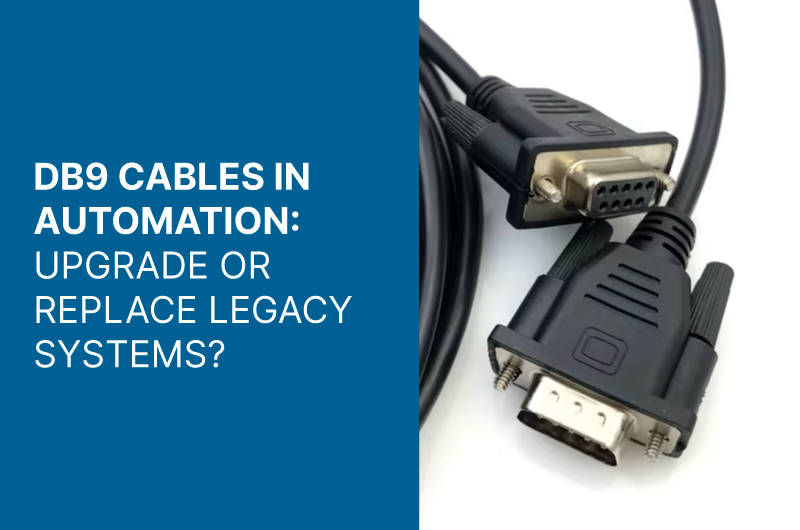
Primarily known for their nine-pin connectors, DB9 cables are part of the D-subminiature family and serve as a communication standard in many electronic devices. They provide a reliable means for serial data transmission, which is critical in numerous industrial applications. Their design allows for compatibility with a range of systems, making them a popular choice despite the development of newer communication technologies.
The Role of DB9 in Legacy Automation Systems
In legacy automation systems, DB9 cables serve as essential connectors between old hardware and any new interfaces that are introduced. Their ability to transmit data across long distances remains unmatched by other forms of connection. This capability is crucial in supporting devices such as Programmable Logic Controllers (PLCs) and older sensors and instruments that are still operational.
Benefits of Using DB9 Cables
Employing DB9 cables offers numerous advantages, which include:
- Simplicity: The straightforward nature of serial communication reduces configuration complexity, enabling easier integrations.
- Cost-Effectiveness: Many industrial devices equipped with DB9 connectors are typically less expensive than their modern counterparts using advanced connections.
- Durability: DB9 cables are built to withstand the rigors of industrial environments, where robustness and longevity are essential.
These benefits ensure that DB9 cables remain a viable option for maintaining operational efficiency in various industrial scenarios.
Challenges of Legacy System Upgrades
The process of updating legacy systems is fraught with various challenges that can complicate the transition to modern technologies. Addressing these issues is crucial for ensuring seamless integration and functionality.
Compatibility with Modern Devices
One of the foremost challenges is ensuring compatibility between older and newer devices. Many modern systems do not natively support the connections and protocols used by legacy equipment, such as those utilizing DB9 cables.
Using Adapters and Converters
To bridge the gap, organizations often rely on adapters and converters. These tools enable communication between devices with different interfaces, allowing legacy systems to connect to modern technology. However, the selection and configuration of the right adapters can be complex and require meticulous planning.
Integrating with USB and Ethernet
As USB and Ethernet dominate contemporary connectivity, seamlessly integrating these technologies with legacy systems becomes crucial. Finding reliable solutions to make older systems compatible with new communication standards is essential to maintaining productivity.
Data Security Concerns in Legacy Systems
Another critical challenge lies in the data security vulnerabilities present in many legacy systems. With evolving cybersecurity threats, ensuring that these systems can adequately protect sensitive information is paramount.
Modern Security Solutions
Implementing modern security solutions can help mitigate risks associated with outdated systems. This may include installing firewalls, intrusion detection systems, and encryption tools to safeguard data integrity.
Software and Firmware Updates
Regular software and firmware updates can enhance the security of legacy systems. However, companies often face difficulties in managing updates for older equipment, as compatibility issues may arise during the process.
Cost Implications
Financial considerations are vital when planning upgrades to legacy systems. The costs associated with upgrading or replacing components can add up quickly and require careful budgeting.
Budgeting for Hardware and Software
Accurately forecasting costs for necessary hardware and software upgrades is essential. Organizations need to evaluate existing infrastructure to understand what components can be retained and which ones require replacement.
Evaluating Power Supplies and Accessories
Assessing power supplies and other accessories is also a critical step. Ensuring that the new systems remain compatible with existing power sources can prevent unexpected downtime and expenditures.
The transition from older DB9 cable systems to modern solutions presents various strategies and options. Each strategy should consider both the needs of existing systems and the requirements of upgraded technology.
Solutions for Upgrading or Replacing DB9 Cables
Upgrade Strategies
Upgrading existing DB9 cable setups can optimize performance while maintaining legacy systems. This approach enables a gradual transition to more advanced technologies without sacrificing the functionality of current equipment.
Incremental Implementation
Implementing changes incrementally allows for a careful assessment of compatibility and performance. By upgrading one component at a time, organizations can minimize operational disruptions and ensure that each upgrade integrates smoothly with the existing infrastructure. This method also facilitates user training and adaptation to new systems in manageable phases.
Role of Power Management
Effective power management is crucial during the upgrade process. Systems must ensure that power supplies can handle the additional loads introduced by new devices or upgrades. Evaluating existing power setups and making necessary adjustments is vital for maintaining the stability and efficiency of operations.
Replacement Options
In some scenarios, replacing DB9 cables might be the best option. This approach entails transitioning to new technologies that offer enhanced capabilities and integration features.
Transition to Digital and Ethernet PoE
Transitioning to digital solutions and Power over Ethernet (PoE) can significantly improve communication and power efficiency. Ethernet technologies provide faster data transfer rates and greater flexibility in network configurations. PoE allows devices to receive power and data through a single cable, simplifying installations and reducing clutter.
Utilizing Hubs and Modular Controllers
Using hubs and modular controllers can enhance organizational capabilities when replacing DB9 systems. Hubs facilitate the connection of multiple devices, allowing for expanded communication networks. Meanwhile, modular controllers offer scalability and flexibility, enabling users to configure systems according to specific operational demands.
Considerations for Successful Migration
Effective migration strategies are essential to transitioning from legacy systems to modern automation solutions. Successful migration requires careful planning, training, and testing to minimize disruptions and ensure operational continuity.
Analyzing Current System Configuration
A thorough analysis of the existing system is crucial for identifying potential challenges and ensuring a seamless transition to new technologies.
Evaluating Terminal Blocks and Connectors
Terminal blocks and connectors play a pivotal role in maintaining reliable connections between devices. Assessing their condition and compatibility with new systems helps prevent connectivity issues during migration.
Assessing Circuit Breakers and Sensors
Understanding the current circuit breakers and sensors is vital. Evaluating their performance and compatibility ensures that they can effectively support modern automation needs.
Training and Support
Proper training and support systems are vital for staff to adapt to new technologies effectively. This ensures a smooth transition and enhances overall operational efficiency.
Staff Training Programs
Investing in comprehensive training programs for employees is essential to familiarizing them with new systems and best practices. Effective training boosts confidence and minimizes errors during the migration process.
Ensuring Ongoing Technical Support
Providing continuous technical support during and after migration eliminates potential obstacles. Access to knowledgeable support staff can resolve issues quickly, ensuring minimal disruptions in operations.
Testing and Quality Assurance
Rigorous testing and quality assurance processes are fundamental components of a successful migration strategy. These measures help validate system performance and identify any issues before full implementation.
Comprehensive Testing Protocols
Implementing thorough testing protocols guarantees that all components interact seamlessly. This includes testing all communication pathways, including those involving DB9 cables, to ensure compatibility and functionality.
Quality Assurance Metrics
Establishing quality assurance metrics helps track the effectiveness of the migration process. Metrics allow organizations to assess system performance and identify areas for improvement post-migration.
Industry Trends and Future Outlook
As technology continues to evolve, the landscape of industrial automation is transforming rapidly. Understanding emerging technologies and the role of legacy systems provides insight into future developments in the field.
Emerging Technologies in Automation
Automation is experiencing a renaissance driven by several innovative technologies. Key advancements include:
- Artificial Intelligence (AI): AI is enhancing process optimization and predictive maintenance, allowing for smarter systems.
- Internet of Things (IoT): IoT devices are facilitating real-time data collection and analytics, improving operational efficiency.
- Edge Computing: This technology processes data closer to the source, reducing latency and bandwidth demands on centralized systems.
- 5G Connectivity: The introduction of 5G is set to revolutionize communication between devices, offering faster speeds and more reliable connections.
The Role of DB9 in Next-Gen Systems
Even with the rise of modern technologies, DB9 connections continue to play a significant role. They serve as a bridge between older legacy systems and newer digital solutions. Features include:
- Flexibility: DB9 cables facilitate communication with a wide range of devices, ensuring compatibility across various equipment.
- Cost-Effectiveness: Maintaining DB9 systems can be more budget-friendly than transitioning completely to new technologies right away.
- Reliability: The robustness of DB9 cables makes them a reliable choice for critical industrial applications, ensuring minimal downtime.
Preparing for Future Innovations
As industries anticipate technological advancements, a proactive approach to upgrading or replacing legacy systems is essential. Companies are encouraged to:
- Invest in Training: Providing staff with access to training programs ensures they are equipped to handle new technologies effectively.
- Implement Incremental Upgrades: Transitioning gradually allows organizations to adapt while minimizing disruption to ongoing operations.
- Monitor Industry Trends: Keeping abreast of technological developments enables businesses to remain competitive and relevant.
If you would like to receive a quote for any of custom cables or connectors, please do not hesitate to contact us by sending an email to sales@readytogocables.com or calling in the USA this phone number (682-325-1944).