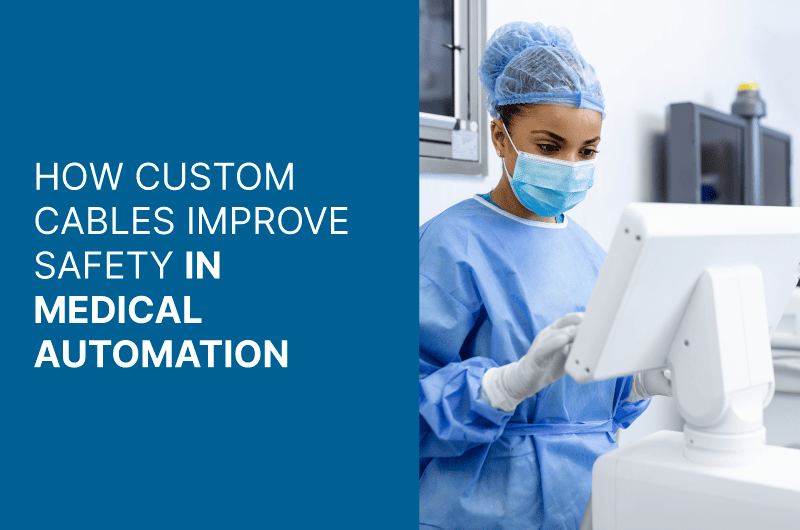
Medical automation involves the integration of advanced technology in healthcare to improve efficiency and patient outcomes. Custom cables play a crucial role in ensuring reliable connections between various medical devices used in this automation. By addressing specific requirements through medical custom cables, manufacturers can enhance device performance and safety. These tailored solutions are essential for meeting the unique challenges faced in medical environments.
Understanding Medical Automation and Cable Requirements
Medical automation streamlines various processes in healthcare, enhancing efficiency and patient care. A crucial aspect of this field is the specific cable requirements that support the functionalities of diverse medical devices.
Overview of Medical Automation Systems
Medical automation systems encompass a wide range of technologies designed to facilitate diagnostics, treatment, and patient monitoring. These systems integrate equipment such as imaging devices, patient management systems, and surgical robots. The interplay between these devices relies heavily on robust and effective connectivity, which is where medical custom cables come into play.
Key Challenges in Medical Automation Connectivity
Ensuring seamless connectivity in medical automation poses several challenges. The complexity of systems, combined with the need for reliability, creates a demanding environment for cable design.
- Signal Integrity: As medical devices operate with sensitive signals, maintaining the quality of these signals is vital. Interference can lead to erroneous diagnostics, impacting patient treatment.
- Physical Constraints: Space limitations in medical environments necessitate compact designs that do not compromise functionality. This requires careful consideration of cable thickness and layout.
- Durability and Sterilization: Medical cables must withstand rigorous sterilization processes to ensure safety in clinical settings. Materials used in cable construction need to resist wear and tear from repeated cleaning cycles.
- Electromagnetic Interference (EMI): Many medical devices are sensitive to EMI, which can disrupt their operation. Therefore, employing appropriate shielding techniques in cable design is critical.
Why Medical Custom Cables Are Essential
The unique requirements of medical devices necessitate tailored cable solutions. Standard cables often fall short in meeting the specific needs of medical applications.
- Precision Engineering: Custom cables are designed with precise specifications, ensuring they meet the exact electrical and mechanical requirements of medical devices.
- Enhanced Performance: These cables can include features such as optimized conductor layouts, increasing efficiency and reliability. This is vital for critical health applications.
- Biocompatibility: Custom cables can be manufactured from materials that are safe for medical applications, minimizing risks associated with patient contact.
- Regulatory Compliance: Custom solutions can be developed in line with industry standards, ensuring that all components are safe and effective for use in medical environments.
The integration of specialized cables into medical automation systems not only enhances performance but also aligns with safety regulations, ultimately aiming to provide better patient outcomes.
Designing Custom Cables for Medical Automation
Creating custom cables for medical automation involves careful consideration of various parameters. These tailored solutions are essential for enhancing patient safety and device functionality in healthcare environments.
Tailoring Cable Assemblies for Specific Medical Devices
The design of cable assemblies must reflect the unique requirements of each medical device. Different applications, such as imaging systems or life-support equipment, demand specific cable configurations to ensure optimal performance. Key factors include conductor count, gauge sizes, and connector types, which need to be tailored for efficiency and reliability.
Custom Cable Features That Enhance Performance
Incorporating specialized features in custom cables significantly improves their overall performance in medical applications. Enhanced flexibility, minimized weight, and robust electrical characteristics contribute to the seamless operation of medical devices. Cables designed to minimize signal loss while maintaining high electromagnetic compatibility (EMC) are crucial for ensuring accurate diagnostics.
Shielding Options to Reduce Electromagnetic Interference (EMI)
Shielding is a critical aspect in the design of medical custom cables. Effective shielding options help mitigate the effects of electromagnetic interference (EMI), which can disrupt the performance of sensitive medical equipment. Options such as foil and braided shields can be applied based on the specific environment and device requirements to maintain signal integrity.
Materials for Medical Custom Cables
Choosing the right materials is vital for ensuring that medical custom cables meet safety and performance standards. Various factors, such as flexibility, durability, and resistance to sterilization methods, play a role in material selection.
Biocompatible Materials and Safety Considerations
Materials used in medical cables must be biocompatible, especially for devices that come into direct contact with patients. Biocompatible materials minimize any potential adverse reactions, ensuring patient safety during use. Careful consideration must be given to the chemical composition of the materials, particularly for isolation and jacket compounds.
Insulation and Jacket Materials That Withstand Sterilization Processes
The insulation and jacket materials are essential for protecting the internal conductors in challenging medical environments. Robust materials must withstand repeated sterilization processes without degrading or losing functionality. This resilience is crucial not only for longevity but also for meeting stringent regulatory standards in healthcare settings.
Miniaturization and Flexibility in Cable Design
Miniaturization is a growing trend in medical technology, necessitating smaller and more flexible cable designs. Cables must be lightweight and compact to integrate seamlessly into portable devices and complex assemblies. This advancement allows for enhanced mobility and usability in various medical applications, ranging from wearable monitoring devices to sophisticated surgical instruments.
Manufacturing and Quality Control of Medical Custom Cable Assemblies
The process of manufacturing medical custom cable assemblies is critical for ensuring the functionality, safety, and reliability of medical devices. Quality control plays a vital role in this process, focusing on compliance, inspection, and the continuous improvement of manufacturing techniques.
Regulatory Compliance in Medical Cable Manufacturing
Adhering to regulatory standards is necessary for producing safe and effective medical custom cables. Manufacturers must navigate a complex landscape of regulations that ensure each product meets industry requirements.
Navigating Standards Like ISO 13485 and IEC 60601
ISO 13485 establishes the requirements for a quality management system specifically for medical devices. Compliance with this standard ensures that the manufacturing processes incorporate controls that minimize risks and maintain a high quality of production. Likewise, the IEC 60601 standard focuses on the safety and effectiveness of electrical medical equipment, guiding cable manufacturers in achieving safe devices suitable for clinical environments.
Ensuring Biocompatibility and Safety with ISO 10993
This standard is crucial for assessing the biocompatibility of materials used in medical devices. Manufacturers must ensure that custom cables not only perform as expected but also are safe for patient contact. Conducting thorough evaluations according to ISO 10993 helps mitigate risks associated with materials, reducing adverse reactions during usage.
Quality Control Techniques and Testing Procedures
Implementing effective quality control techniques is vital for ensuring the durability and reliability of medical custom cables. Various testing procedures are employed throughout the manufacturing process to verify compliance with established standards.
In-Process Inspection Methods
During cable assembly, in-process inspections are conducted at various stages to detect any defects early. This continuous monitoring allows for immediate corrections, which is essential for maintaining product integrity. Techniques such as visual inspections, electrical testing, and dimensional checks contribute to quality assurance.
Final Acceptance Testing for Performance and Reliability
After assembly, final acceptance testing is performed to evaluate the custom cables’ overall performance and reliability. These tests ensure that the cables meet the functional specifications and are ready for use in real-world medical applications. Performance assessments often include stress testing, longevity evaluations, and environmental resistance checks.
Challenges in Manufacturing Custom Cable Assemblies for Medical Automation
The manufacture of custom cable assemblies specific to medical automation presents unique challenges. Addressing these challenges is crucial for optimizing production and ensuring high safety standards.
- Material Selection: Choosing appropriate materials that meet both performance and biocompatibility standards can be complex.
- Technological Limitations: The need for miniaturization and flexibility may conflict with performance requirements, necessitating advanced engineering approaches.
- Cost Management: Balancing the costs of sourcing high-quality materials and maintaining strict adherence to regulatory standards can put financial pressure on manufacturers.
Overcoming these hurdles involves innovation, investment in technology, and a commitment to continuous improvement to meet the evolving demands of medical device manufacturers and to ensure patient safety.
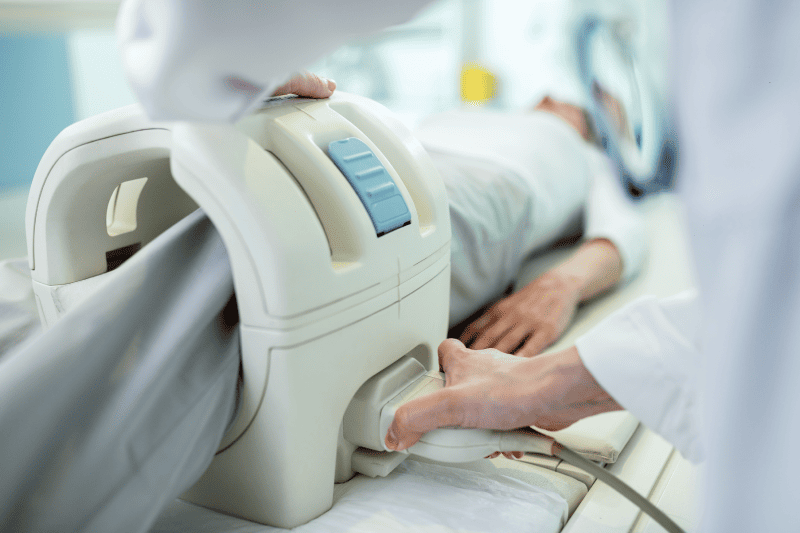
Enhancing Safety and Reliability with Custom Medical Cables
Custom medical cables play a crucial role in enhancing the safety and reliability of medical automation systems. Their design and functionality ensure that devices operate seamlessly, even under demanding conditions.
Preventing Failures Through Precision and Design Controls
Failures in medical devices can have dire consequences, making precision in design paramount. Custom medical cables are engineered to the highest specifications, minimizing the risk of failure by controlling various factors during manufacturing. Critical aspects include:
- Careful selection of materials to ensure durability
- Strict adherence to design parameters for electrical performance
- Thorough testing protocols to catch defects early in the manufacturing process
These practices help create robust connections that can withstand the rigors of medical use, reducing the likelihood of malfunctions that could jeopardize patient safety.
Redundancy and Fault Tolerance in Critical Medical Systems
In critical medical systems, redundancy and fault tolerance are essential for maintaining continuous operation. Custom cables can be designed with multiple paths to ensure that if one pathway fails, others can take over. This design consideration is critical for:
- Life-support equipment, ensuring uninterrupted functionality
- Diagnostic tools that must deliver accurate results without delay
Such reliability is particularly vital in emergency situations, where failures can lead to tragic outcomes.
The Role of Custom Cables in Improving Diagnostic Accuracy
Precision in diagnostic equipment relies heavily on the quality of the connections provided by custom cables. These cables are tailored to deliver signals without interference, ensuring that diagnostics tools function optimally. Enhanced accuracy in diagnostics means:
- Patients receive appropriate treatments based on accurate readings
- Healthcare professionals can make informed decisions quickly
By improving signal integrity, custom cables play a significant role in reducing diagnostic errors and enhancing overall treatment effectiveness.
Impact of Reliable Cabling on Patient Safety Outcomes
The interdependence of reliable cabling and patient safety cannot be overstated. When custom medical cables perform reliably, the entire medical automation system is more effective. Enhanced reliability leads to:
- Increased confidence among healthcare providers in the equipment used
- Lower incidence of adverse events related to equipment failure
Overall, the consistent performance of custom cables directly contributes to improved patient care and outcomes, making them an indispensable aspect of modern medical technology.
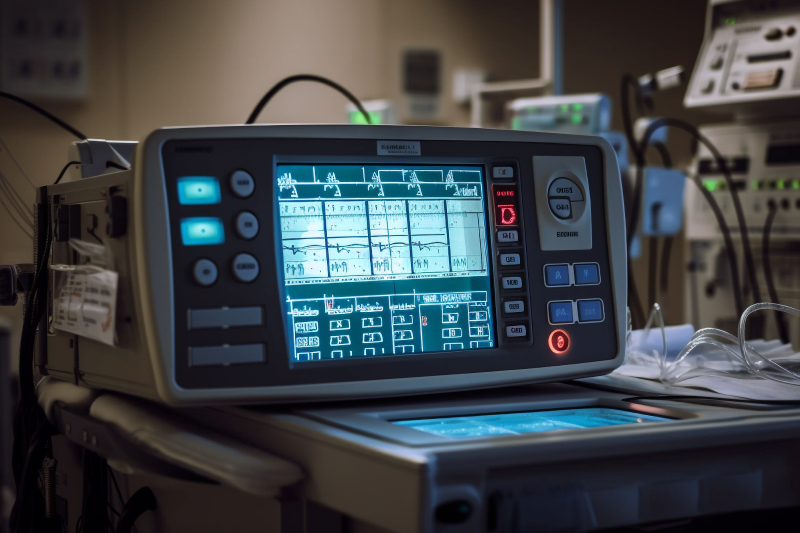
Innovations and Future Trends in Medical Automation Cabling
The landscape of medical automation cabling is evolving rapidly, driven by technological advancements and increasing demands for safety and efficiency. Innovations in this field are paving the way for new applications and enhancing the overall functionality of medical devices.
Development of Sterile Connectors for Medical Applications
Innovative designs in sterile connectors are essential for maintaining the safety and cleanliness required in medical environments. These connectors are engineered to withstand multiple sterilization cycles while ensuring reliable performance. Key features include:
- Materials resistant to cross-contamination.
- Sealing mechanisms that prevent microbial intrusion.
- Compatibility with various medical devices to ensure versatility.
As the healthcare sector continues to prioritize infection control, the adoption of sterile connectors is anticipated to grow, helping to avert potential risks of contamination during procedures.
Advances in Materials That Improve Durability and Performance
Emerging materials play a pivotal role in enhancing the durability and performance of medical custom cables. Innovations include:
- High-performance polymers that resist wear and tear from repeated use.
- Advanced coatings that provide additional protection against environmental aggressors.
- Smart materials that can adapt to varying conditions, thereby improving overall reliability.
The ongoing research into such materials ensures that medical cables are not only resilient but also support the demanding needs of modern healthcare technologies.
Integration of Smart Technologies in Custom Cable Assemblies
The incorporation of smart technologies into cable assemblies is transforming medical automation. These intelligent systems can provide real-time monitoring and diagnostics, facilitating proactive maintenance. Key aspects include:
- Sensor integration that detects faults or failures in real-time.
- Data transmission capabilities that allow for swift communication between devices.
- Enhanced analytics for improving device performance and safety outcomes.
Such advancements promise to increase the reliability and efficiency of medical devices, ultimately improving patient care.
Sustainable Materials and Environmental Considerations for Medical Custom Cables
The shift towards sustainability in medical device manufacturing is gaining momentum, with a growing emphasis on eco-friendly materials. Notable trends include:
- The use of biopolymers that reduce environmental impact without compromising quality.
- Recyclable components that support a circular economy in medical manufacturing.
- Processes that minimize waste and energy consumption during production.
As regulatory bodies push for greener practices, the medical sector is likely to adopt these sustainable materials, highlighting a commitment to both health and environmental stewardship.
If you would like to receive a quote for any of custom cables or connectors, please do not hesitate to contact us by sending an email to sales@readytogocables.com or calling in the USA this phone number (682-325-1944).