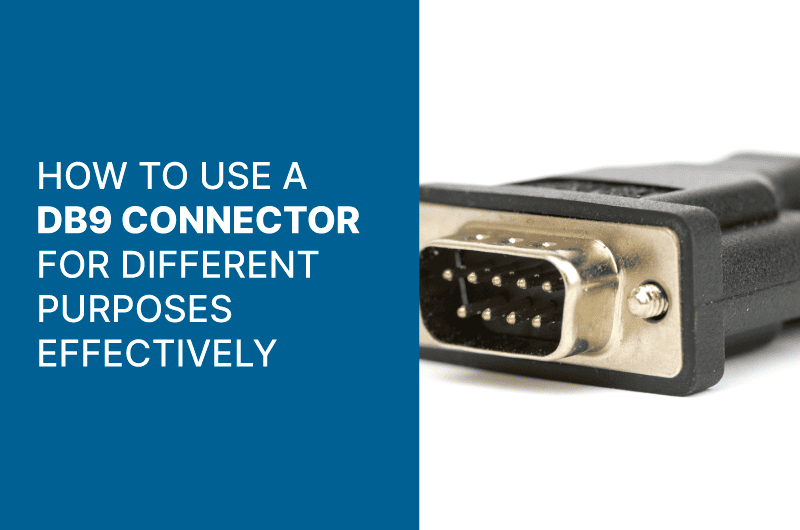
DB9 connectors are widely used in various applications due to their reliability and versatility. Understanding how to utilize these connectors effectively is essential for maintaining communication in different electronic setups. This article will cover essential topics such as regular inspections, cleaning and upkeep, and their use in industrial automation. Additionally, it will address using DB9 connectors with modern equipment and outline best practices for optimal performance.
Regular Inspections
Regular inspections of DB9 connectors are vital for maintaining optimal performance and ensuring the reliability of electronic devices. Over time, connectors may be subjected to wear and tear due to environmental factors, mechanical stress, or simply age. This can lead to reduced functionality or complete failure, impacting the overall performance of the connected systems.
Inspections should include a thorough examination of both the connectors and the associated wiring. Technicians should look for any visible signs of damage such as:
- Corrosion on the pins
- Physical cracks in the housing
- Signs of dirt or debris accumulation
- Worn or frayed wires
It’s recommended to perform these inspections at regular intervals based on the operational environment. For instance, connectors used in harsh industrial settings might require more frequent checks compared to those in controlled office environments. An effective inspection routine includes:
- Visual assessments to identify physical damages
- Functional tests to ensure proper connectivity
- Checking alignments and that the connectors are seated properly
Another important aspect of regular inspections is to ensure that the connectors are not subjected to unnecessary strain. Strain relief mechanisms should be in place to prevent the cables from pulling on the connectors. Observing proper cable management and organization reduces the risk of accidental disconnections and physical damage.
Documentation of the inspection process is crucial. Keeping records of the findings and any corrective actions taken helps track the condition of the equipment over time and informs maintenance schedules. This practice not only promotes accountability but also assists in troubleshooting when issues arise.
Ultimately, a proactive approach to regular inspections will minimize downtime and enhance the lifespan of DB9 connectors and the devices they serve. By staying vigilant and adhering to a consistent inspection regimen, users can significantly improve the reliability and performance of their electronic systems.
Cleaning and Upkeep
Maintaining the cleanliness and functionality of DB9 connectors is crucial for ensuring optimal performance and longevity. Regular cleaning helps prevent issues such as signal degradation and mechanical failure. The process should be approached with care to avoid damaging the connectors or the devices they are attached to.
The following steps outline effective cleaning and upkeep practices for DB9 connectors:
- Inspection of Connectors: Regularly inspect DB9 connectors for any visible signs of wear, corrosion, or dirt build-up. Look for any physical damages, such as bent pins, that could affect connectivity.
- Use of Proper Cleaning Materials: When cleaning, it is essential to use materials that are non-abrasive and safe for electronic components. Use a soft lint-free cloth or a brush with fine bristles to gently remove dust and debris.
- Cleaning Agent Application: If dirt is stubborn, a suitable electronic contact cleaner can be applied. Spray it on the cloth rather than directly onto the connector to prevent excess liquid from entering the device.
- Gentle Wiping: Carefully wipe the connector pins and surfaces, avoiding any excessive pressure that could damage the components. Ensure that all residue from cleaning agents is completely removed.
In environments that are prone to high levels of dust or contaminants, it may be necessary to implement more frequent cleaning schedules. Regular maintenance can significantly extend the life of DB9 connectors and the devices they connect.
After cleaning, it is advisable to perform a visual inspection again to ensure that all contaminants have been removed. Additionally, check for proper fit and secure connections when re-attaching the devices. A clean and well-maintained DB9 connector will facilitate reliable communication and enhance the overall performance of the connected equipment.
In industries like manufacturing or telecommunications, where DB9 connectors are commonly used, establishing a routine maintenance schedule can be beneficial. This proactive approach simplifies the monitoring of connector conditions and promptly identifies any necessary repairs or replacements.
By adhering to these cleaning and upkeep practices, the integrity of DB9 connectors is maintained, supporting their essential function in various applications.
Industrial Automation
DB9 connectors play a vital role in industrial automation, serving as essential interfaces for various devices that rely on serial communication protocols. These connectors enable seamless connectivity between hardware components, ensuring efficient data transfer and reliable control signals. In an era where automation is pivotal to enhancing productivity and efficiency in manufacturing processes, understanding the applications of DB9 connectors is critical.
One of the primary uses of DB9 connectors in industrial settings is to interface with sensors and actuators. These devices are crucial for monitoring and controlling processes. Their capabilities allow for real-time feedback and adjustments, vital in maintaining operational efficiency. The robust design of DB9 connectors makes them well-suited for environments that demand reliability under challenging conditions.
In addition to their use with sensors, DB9 connectors are instrumental in connecting programmable logic controllers (PLCs). PLCs are the backbone of automation in industries, and the DB9 connector facilitates the communication necessary for programming and configuration. By enabling this connection, operators can efficiently set parameters, monitor performance, and troubleshoot issues in real time.
Another significant aspect of DB9 connectors is their compatibility with various industrial communication protocols. This versatility makes them suitable for integration into automation systems. Several devices, including motor controllers and HMI (human-machine interface) panels, utilize DB9 connectors to communicate settings and receive commands. This interoperability simplifies the design and implementation of complex control systems.
- Integration with various automation devices.
- Real-time communication between sensors and PLCs.
- Robust design suitable for harsh environments.
- Standardized connectivity promotes system compatibility.
The adoption of DB9 connectors in industrial automation not only enhances device communication but also increases the overall reliability of automated systems. These connectors reduce the likelihood of signal loss, which is critical in maintaining the accuracy of automated operations. The implementation of DB9 connectors leads to improved system stability and longevity.
As industries continue to evolve, the role of DB9 connectors in automation remains significant. Their ability to withstand tough conditions, combined with their reliable signal transmission, ensures that they remain a favored choice for connecting a diverse range of equipment in the industrial sector. Understanding and utilizing these connectors effectively can lead to optimized operations and better integration of automated processes.
Using DB9 Connectors with Modern Equipment
DB9 connectors, traditionally associated with older technologies, continue to find relevance in modern equipment. Their reliable design and robust functionality contribute to their ongoing adaptation in contemporary applications. While many devices have transitioned to USB and wireless technologies, some modern systems still leverage DB9 connectors for specialized functions.
One way to utilize DB9 connectors with new equipment is through serial communication interfaces. Many industrial devices, such as programmable logic controllers (PLCs) and sensor systems, often incorporate RS-232 standards, which use DB9 connectors, for reliable data transmission. This is especially critical in scenarios where precise control and monitoring are necessary.
- Integration with microcontroller programming tools.
- Connecting to data loggers for real-time data acquisition.
- Facilitating configuration and management of networking devices like switches and routers.
In security systems, DB9 connectors are used to connect various components, such as access control panels and CCTV cameras. This setup allows modern security solutions to maintain compatibility with legacy systems while benefiting from updated technology. Additionally, DB9 connectors ensure stable connections, which are crucial for effective communication in security operations.
Despite their age, DB9 connectors are included in various mixed technology environments. They can be connected to more modern interfaces through adapters, maintaining the functionality of existing devices while integrating with the latest hardware. This adaptability is essential for fields where certain legacy devices cannot be replaced but need to work alongside contemporary technology.
Choosing the right DB9 connector is vital when interfacing with modern equipment. Factors such as durability, EMI shielding, and pin configuration must be considered to ensure compatibility and performance. Regular evaluation and testing of connections help maintain the integrity of data transmission.
Thus, the DB9 connector remains relevant in diverse applications, ensuring that systems can communicate effectively while supporting a wide range of devices and technologies. With the right practices and adaptations, DB9 connectors continue to play a significant role in the functionality of modern equipment.
Best Practices for DB9 Connectors
To ensure optimal performance and reliability when using DB9 connectors, adherence to best practices is essential. Following proper procedures can enhance functionality and prevent potential issues that may arise during operation.
- Correct Pin Configuration: It is vital to use the correct pin layout when connecting devices with DB9 connectors. A mismatch in pin configuration can lead to unexpected behaviors or even damage to the connected devices. Always consult the pinout diagram specific to the hardware being interfaced.
- Checking Compatibility: Before establishing connections, confirming that the devices are compatible with RS-232 standards is crucial. This step is especially important in applications involving serial communication, as lack of compatibility could result in communication failures that hinder functionality.
- Secure Mounting: In dynamic environments, ensure that the DB9 connector is firmly mounted to prevent disconnection or stress on the connector. Secure mounting reduces the likelihood of physical issues that can disrupt signal integrity, thereby maintaining a reliable connection.
- Regular Maintenance: Comprehensive maintenance routines are essential for prolonging the lifespan of DB9 connectors. Regular inspections should include checking for wear and tear, cleaning connectors to remove dust and debris, and ensuring that no physical damage is present on the connectors or ports.
- Use of EMI Shielding: In environments known for high electromagnetic interference (EMI), proper installation of DB9 connectors is crucial. Utilizing connectors equipped with integrated shielding can significantly reduce the risk of signal degradation, ensuring clearer communications between devices.
Implementing these best practices can facilitate smoother communication and enhance the durability of DB9 connector applications. By prioritizing correct configurations, regular inspections, secure installations, and the use of protective measures, users can avoid many common pitfalls associated with connector use.
Maintaining awareness of these practices helps preserve the integrity and functionality of the connections, particularly in complex setups where multiple devices are used simultaneously. The ongoing reliability of DB9 connectors is essential for efficient operations across various fields, from industrial applications to embedded systems and telecommunications.
If you would like to receive a quote for any of custom cables or connectors, please do not hesitate to contact us by sending an email to sales@readytogocables.com or calling in the USA this phone number (682-325-1944).