RP-SMA cables for wireless antennas are essential for ensuring reliable RF setups. Their unique design minimizes signal loss and enhances performance, making them ideal for various applications, including Wi-Fi and GPS systems. This article will explore the importance of RP-SMA cables, their key features, and common usage scenarios. It will also provide guidance on selecting the right cables and ensuring optimal installation practices to avoid connection mistakes.
Understanding RP-SMA Cables
RP-SMA cables are vital components in ensuring strong wireless connections. Their unique design provides enhanced signal integrity, making them essential for various wireless applications.
What Are RP-SMA Cables?
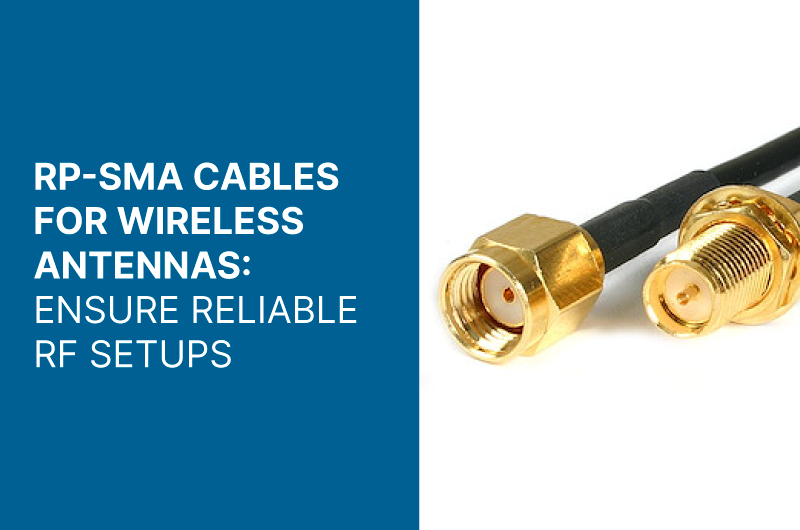
RP-SMA cables feature a specific type of RF connector known for its reverse polarity. This design helps reduce interference and improves signal accuracy. Typically, they consist of a coaxial cable that connects two devices, ensuring that the radio frequency signals travel efficiently between them.
Importance of RP-SMA Cables in Wireless Antennas
Reliability in wireless communication systems heavily depends on the quality of the connecting cables. RP-SMA cables are particularly significant for several reasons:
- Low Signal Loss: These cables are designed to minimize signal attenuation, ensuring strong transmission strength.
- Wide Frequency Range: Capable of handling frequencies up to 6 GHz, RP-SMA cables are versatile and suitable for various applications.
- Durable Construction: High-quality materials, such as pure copper conductors and weather-resistant insulators, enhance the longevity and reliability of these cables.
- Easy Installation: Many RP-SMA cables come with pre-installed connectors, simplifying the setup process for users.
In summary, understanding RP-SMA cables is crucial for achieving dependable and efficient wireless communications across a range of devices and systems.
Key Features of RP-SMA Connectors
Understanding the key features of RP-SMA connectors is essential for ensuring optimal performance in wireless antenna setups. These connectors are designed to maximize signal integrity and reliability across various applications.
Design and Construction
The design of RP-SMA connectors is engineered to provide robust and secure connections. Made from high-quality materials:
- Copper Construction: The core typically consists of pure copper, ensuring excellent conductivity.
- Reverse Polarity Design: This unique configuration prevents accidental connections with standard SMA connectors.
- Compact Size: Their small form factor allows for easy integration into tight spaces.
Each connector is precision-engineered to maintain a consistent impedance, which is crucial for minimizing signal reflections and ensuring high-frequency performance.
Durability and Weatherproofing
Durability is a significant factor in the performance of RP-SMA connectors. These connectors are designed to withstand various environmental conditions:
- Corrosion Resistance: Coated materials resist oxidation and corrosion, ensuring longevity.
- Temperature Tolerance: They can operate effectively across a wide range of temperatures, making them suitable for outdoor applications.
- Weatherproofing: Many RP-SMA connectors feature seals that protect against moisture and dust ingress.
These aspects contribute to a reliable connection even in challenging environments, allowing for consistent performance in wireless communication systems.
Common Applications of RP-SMA Cables
RP-SMA cables play a vital role in a variety of wireless applications, facilitating seamless connections and efficient signal transmission. Here are some of the most common uses of these cables.
WiFi Antennas
WiFi networks heavily rely on RP-SMA cables to connect routers to antennas. These connections enhance the overall signal strength and coverage, allowing for broader network access. The ability to use longer cables helps in positioning antennas for optimal performance, ensuring minimal signal degradation over distance.
GPS and Mobile Devices
For GPS systems and mobile devices, RP-SMA cables are essential in establishing reliable connections to antennas. They enable accurate signal acquisition from satellites, enhancing the performance of location-based services. The low-loss nature of these cables ensures that data transmission remains uninterrupted, a critical factor for real-time GPS functionality.
Lora and LoRaWAN Systems
Lora and LoRaWAN networks utilize RP-SMA cables to support low-power, wide-area communication. The cables facilitate connections between gateways and antennas, ensuring robust data transmission over long distances. This application is particularly beneficial in smart city frameworks and IoT deployments, where connectivity is crucial.
Helium Network Setups
In the Helium Network, RP-SMA cables connect hotspots to antennas, supporting the decentralized wireless network. The efficiency of these cables contributes to better coverage and data rates. This setup is vital for enabling the growth of a more extensive network of devices and ensuring successful communication within remote and urban environments.
Choosing the Right RP-SMA Cable and Accessories
Selecting the appropriate RP-SMA cable and accessories is essential for achieving optimal performance in wireless setups. The right choices can significantly impact signal integrity and overall reliability.
Selecting the Right Length and Type
The length and type of RP-SMA cable play a vital role in signal quality. It’s advisable to choose the shortest cable possible to minimize loss. Various types of cables are available, including low-loss coaxial cables that reduce attenuation, ensuring clearer signal transmission over distances.
Understanding SMA Connectors and Adapters
Familiarity with the different SMA connectors and adapters is crucial for creating effective wireless antenna setups. The choice of connectors can affect performance, compatibility, and ease of installation.
SMA Male and Female Connectors
SMA connectors come in male and female variants. Male connectors feature a center pin, while female connectors contain a receptacle. Ensuring proper matching of these connectors is vital for secure connections and optimal RF performance.
TNC and Other Adapter Types
Adapters such as TNC connectors provide flexibility in connecting different cable types or equipment. They might be necessary for integrating various devices within a single setup. Understanding the specific requirements of each setup will help in selecting the right adapters.
Dual Band and Directional Antenna Compatibility
Cables and accessories must also be compatible with the specific type of antennas being used. Dual-band antennas require cables that can handle multiple frequencies without compromising signal quality. Directional antennas often necessitate specific connectors to ensure accurate alignment and performance.
Installation Best Practices for RP-SMA Cables
Proper installation of RP-SMA cables is essential to ensure optimal performance and reliability. Following best practices can prevent common issues and enhance signal integrity.
Avoiding Common Connection Mistakes
Making connections with RP-SMA cables requires attention to detail. Common mistakes include:
- Incorrect orientation of connectors, leading to poor signal transmission.
- Over-tightening connections, which can damage the connectors and lead to losses.
- Using incompatible connectors, which may result in improper signal transfer.
Careful handling during installation can mitigate these issues. Ensuring that connectors are firmly yet gently attached is crucial for maintaining signal quality.
Signal Integrity and Minimizing Loss
Maintaining signal integrity is vital for effective communication. Key strategies include:
- Keeping cable lengths as short as possible to minimize attenuation.
- Avoiding sharp bends or kinks in the cable, as these can introduce additional loss.
- Utilizing high-quality cables to ensure lower signal loss rates.
By paying attention to these factors, the overall efficiency and performance of the RF setup can be significantly enhanced.
Weatherproofing and Enclosures
For installations exposed to the elements, protecting cables is essential. Consider the following:
- Using weatherproof enclosures for all connections to prevent moisture ingress.
- Employing UV-resistant materials that can withstand sun exposure without degrading.
- Sealing cable entry points with appropriate gaskets or sealants to enhance protection.
Implementing weatherproofing measures will extend the longevity of the cables and ensure consistent performance in various environmental conditions.
Proper maintenance and care are essential to ensure the longevity and optimal performance of RP-SMA cables.
Maintenance and Care for Long-Lasting Use
Regular Inspections and Cleaning
Conducting frequent inspections can help identify potential issues early. Check the cables for any signs of wear, fraying, or physical damage. It’s important to inspect connectors as well, looking for corrosion or dirt accumulation, which can affect signal quality.
- Inspect connections for tightness and security to prevent signal loss.
- Clean connectors periodically with appropriate cleaning solutions to remove dirt and oxidation.
- Examine cable insulation for cracks or abrasions that can lead to moisture exposure.
Proper Storage and Handling
When not in use, cables should be stored properly to maintain their condition. Avoid tight bends and knots, which can stress the cable. Rolling them loosely in coils is a good approach.
- Store in a clean, dry environment to protect against weather and humidity.
- Avoid exposing cables to extreme temperatures, as this can deteriorate materials.
- Label coiled cables clearly to prevent confusion and ensure ease of retrieval.
Advanced Configurations and Troubleshooting
Efficient installation and configuration can significantly enhance the performance of wireless setups. Learning how to properly configure systems and address common issues is essential for optimal signal integrity.
Setting Up 5GHz Dipole Antennas
When configuring 5GHz dipole antennas, it’s vital to consider the antenna placement and orientation. Positioning the antennas away from obstructions, such as walls or large metal objects, will improve signal transmission. A clear line of sight to the intended coverage area allows for better reception and signal quality.
Selecting the correct gain for the dipole antenna will also positively impact coverage. Higher gain antennas focus energy in a specific direction, resulting in longer reach but narrower coverage. Evaluate the area requirements and choose antennas that meet the configuration needs.
Troubleshooting Common Signal Issues
Signal integrity can often be compromised by various factors. Some common issues include interference, physical obstructions, and inadequate cabling. To troubleshoot:
- Identify any potential sources of interference, such as other electronic devices or neighboring Wi-Fi networks.
- Inspect the cabling for any visible damage, kinks, or loose connections that could degrade signal quality.
- Ensure antennas are correctly aligned to avoid any degradation in coverage.
Regular testing using signal strength meters can help in diagnosing issues effectively.
Using Signal Boosters and Extenders
For areas with weak signals, deploying signal boosters or extenders can enhance coverage significantly. Signal boosters amplify existing signals, while extenders rebroadcast the signal over a wider area. When integrating these devices, ensure they are compatible with the existing setup to avoid interference.
Always position the booster or extender in an area with a strong signal for optimal results. Monitoring the overall performance after installation will confirm the enhancements made to the system.
If you would like to receive a quote for any of custom cables or connectors, please do not hesitate to contact us by sending an email to sales@readytogocables.com or calling in the USA this phone number (682-325-1944).