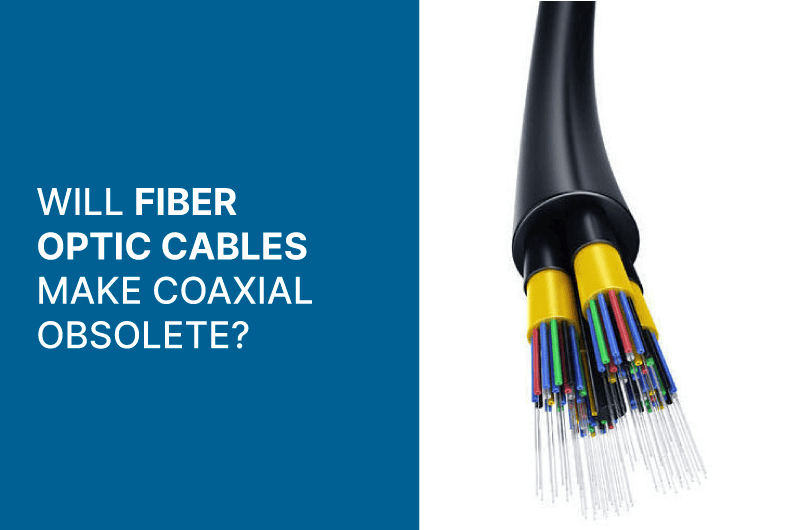
The evolution of network technologies has led to significant advancements in data transmission methods. Fiber optic cables have emerged as a strong competitor to coaxial cables, raising questions about their future roles. This article explores whether fiber optic cables will ultimately replace coaxial cables. Key differences in speed, efficiency, and costs will be examined to understand the implications for future telecommunications and internet connectivity.
Evolution of Coaxial Cables
The development of coaxial cables has played a crucial role in telecommunications. Over time, these cables have evolved to serve various applications, adapting to the changing tech landscape.
Early Uses and Advantages
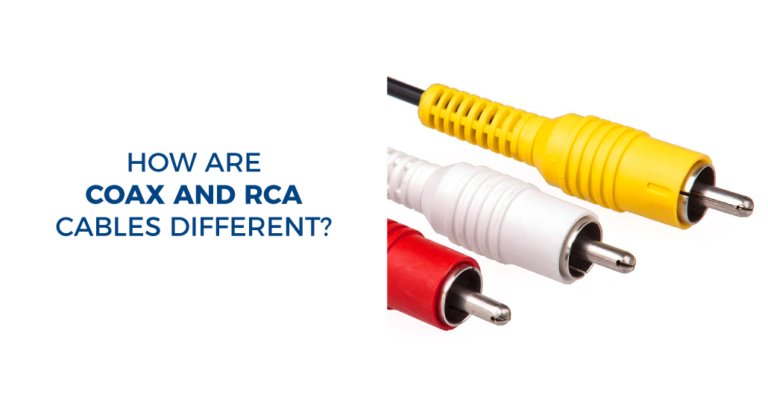
Initially designed for radio transmission, coaxial cables have been integral in various communication systems since their inception. Their design features include:
- A central conductor that carries signals.
- An insulating layer that separates the conductor from the outer shield.
- A metal shield to prevent interference.
These characteristics allow coaxial cables to transmit signals effectively over moderate distances, making them popular for television and internet services in the late twentieth century.
Limitations in Modern Networks
Despite their benefits, coaxial cables face significant limitations in today’s high-demand environment. Major drawbacks include:
- Signal degradation over long distances without amplification.
- Limited bandwidth, impacting data transmission speeds.
- Susceptibility to electromagnetic interference.
As bandwidth requirements continue to rise, these limitations have become more pronounced.
Current Applications of Coaxial Cables
Today, coaxial cables maintain relevance in several areas. Key applications include:
- Television distribution in many cable networks.
- Connections for some broadband internet services.
- Older local area networks (LANs) in smaller setups.
Nonetheless, industries are gradually shifting towards newer technologies that offer greater efficiency.
Rise of Fiber Optic Cables
The emergence of fiber optic cables marks a significant shift in data transmission technology. This innovation has rapidly transformed how information is communicated over distances.
Introduction to Fiber Optic Technology
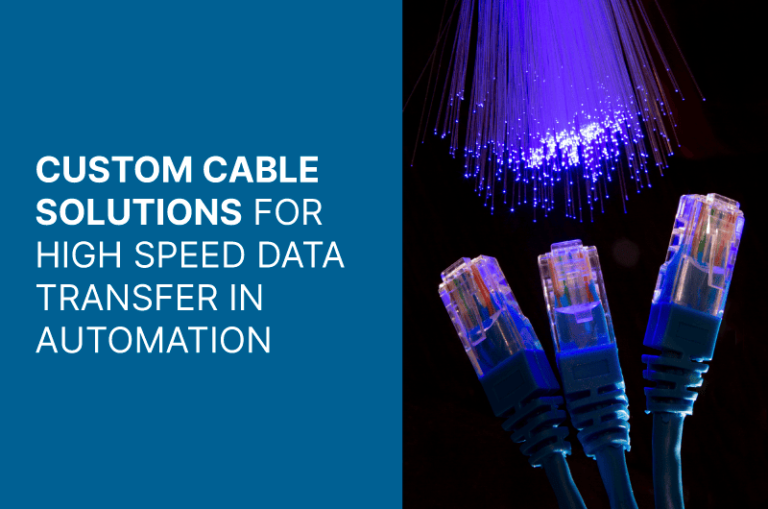
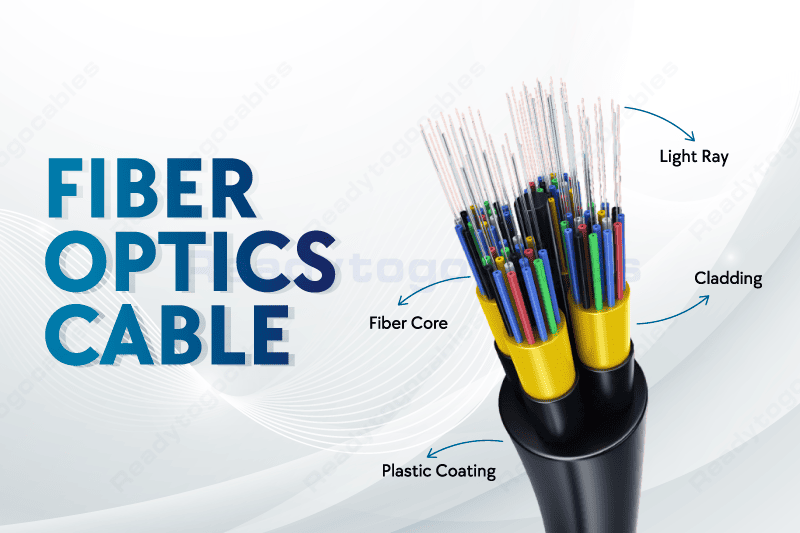
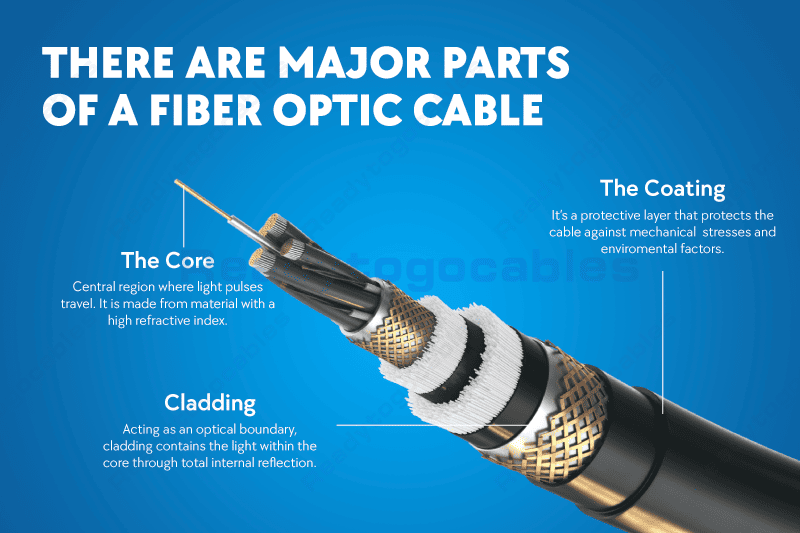
Fiber optic technology utilizes strands of glass or plastic fibers to transmit data as light signals. This method allows for remarkable efficiency and speed, making it an attractive alternative to traditional coaxial cables.
Key Advantages Over Coaxial Cables
Several distinctive benefits set fiber optics apart from coaxial technology.
Higher Speed and Bandwidth
Fiber optic cables can achieve speeds that easily exceed gigabit per second (Gbps). This capacity for high-speed data transfer supports the increasing demands of modern internet usage.
Reduced Signal Loss and Long Distances
The minimal signal loss in fiber optics enables data to travel longer distances without degradation. This characteristic is particularly beneficial for large-scale telecommunications networks.
Resistance to Interference
Unlike their coaxial counterparts, fiber optic cables are immune to electromagnetic interference, ensuring a stable and clear data transmission. This quality enhances overall network reliability.
Ongoing Developments in Fiber Optics
Continued advancements in fiber optic technology focus on enhancing capacity and reducing costs. Research is ongoing in areas such as new materials and methods of installation that promise to further revolutionize the industry.
Cost Comparison Between Coaxial and Fiber Optic
Understanding the financial implications of both coaxial and fiber optic cables is essential for organizations making infrastructure decisions. A comprehensive cost comparison sheds light on the short-term and long-term economic impacts.
Installation and Infrastructure Costs
Initial installation costs play a pivotal role in determining the adoption of either technology. Fiber optic systems typically demand higher upfront expenses due to the costs associated with materials and specialized labor.
- Materials for fiber optic cabling can be more expensive than coaxial.
- Technicians must possess specific skills for fiber optic installation, impacting labor costs.
Long-term Economic Benefits
While fiber optics may require a larger investment initially, they can yield significant long-term savings. Their durability and lower maintenance costs often outweigh the initial financial outlay.
- Reduced signal loss leads to fewer interruptions and repairs.
- Lower energy consumption contributes to operational savings over time.
Challenges in Transitioning to Fiber Optics
Transitioning from coaxial to fiber optics presents several challenges, including financial constraints and the need for upgrading existing infrastructures.
- High replacement costs may hinder organizations from switching entirely.
- Training staff to manage new technology can incur additional expenses.
Impact on Internet and Network Technologies
The transition to fiber optic technology significantly affects internet and network systems. As data demands increase, fiber optics plays a critical role in improving connectivity and capacity.
Fiber Optic Networks and High-Speed Internet
Fiber optic networks are at the forefront of high-speed internet. Their ability to transmit vast amounts of data quickly enhances user experience. Key benefits include:
- Faster download and upload speeds.
- Improved reliability during peak usage times.
- Support for multiple high-demand services, such as streaming and gaming.
Role in Future Telecommunications
Fiber optics is crucial to the evolution of telecommunications. Its unique characteristics contribute to advancements such as:
- Higher capacity for data transmission.
- Emergence of 5G technology, facilitating better mobile service.
- Enhanced performance in urban and rural areas alike.
Integration with Wireless Technologies
The synergy between fiber optic and wireless technologies is paramount. Fiber serves as a backbone for wireless networks, leading to:
- Improved coverage and speed for mobile users.
- Greater bandwidth for wireless access points.
- Support for the Internet of Things (IoT) devices, driving connectivity.
Future Outlook: Coexistence or Replacement?
The evolving landscape of telecommunications raises important questions regarding the fate of coaxial and fiber optic technologies.
Current Trends in Technology Adoption
Telecommunications providers are increasingly favoring fiber optic cables due to their superior bandwidth and speed capabilities. The growing demand for high-speed internet is driving many companies to expand their fiber infrastructure significantly. At the same time, coaxial cables continue to serve various applications, particularly in areas where cost constraints or existing infrastructure make a transition to fiber impractical.
Potential for Hybrid Solutions
Many organizations are exploring hybrid network solutions that leverage both fiber and coaxial technologies. This approach allows for the integration of existing systems while enhancing performance. By combining the reliability of coaxial cables with the advanced capabilities of fiber optics, providers can deliver improved services at a lower cost, bridging the gap between old and new technologies.
Factors Influencing Future Adoption
Multiple factors will dictate the future trajectory of fiber optic and coaxial cable adoption:
- Investment in infrastructure development and upgrades.
- Consumer demand for faster and more reliable services.
- Technological advancements improving fiber optic installation and deployment.
- Economic conditions influencing providers’ ability to upgrade legacy systems.
These factors will determine whether a predominant transition to fiber optics occurs or if coaxial technologies will remain a staple in many networks.